Industrial Bone Crusher Machine
The BCR-001 industrial bone crusher processes fresh or dry beef, pork, sheep, and poultry bones into 5-80 mm paste suitable for gelatin extraction, bone broth production, and pet f…
This site uses cookies for analytics and to improve your experience. By clicking Accept, you consent to our use of cookies. Learn more in our privacy policy.

The BCR-001 industrial bone crusher processes fresh or dry beef, pork, sheep, and poultry bones into 5-80 mm paste suitable for gelatin extraction, bone broth production, and pet f…
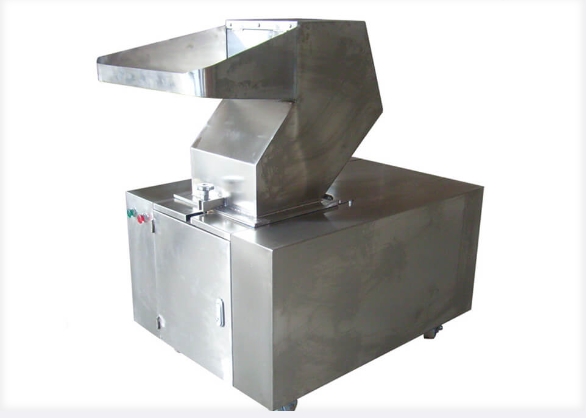

Sample output from the Industrial Bone Crusher Machine. Ask us for real production photos matched to your exact product and capacity.
The BCR-001 industrial bone crusher processes fresh or dry beef, pork, sheep, and poultry bones into 5-80 mm paste suitable for gelatin extraction, bone broth production, and pet food manufacturing. Throughput from 500 to 2,000 kg per hour with hardened tool-steel rotating blades.
| Model | Capacity | Configuration |
|---|---|---|
| BCR-101 Compact | 200-500 kg/h | Small pet food producers, restaurant groups. Poultry and pork bones only. |
| BCR-001 Standard | 500-1,200 kg/h | Mid-scale plants. Beef, pork, and poultry bones. |
| BCR-201 Industrial | 1,200-2,000 kg/h | Industrial rendering and gelatin plants. Beef, pork, sheep, poultry bones. |
Typical values — each model is configured to your product, cut size, and line speed.
Bone broth and pet food plants crushing bones ahead of extraction or drying. For the full range, see the processing hub.
Bone hardness decides more than throughput. The compact unit takes poultry and pork bones at 200-500 kg per hour. The standard model handles beef, pork, and poultry at 500-1,200 kg per hour. Only the industrial model should face beef femur cortical bone, at up to 2,000 kg per hour for rendering and gelatin plants. Sizing up on hardness avoids chipped blades.
No. Fully frozen bones at -18°C chip the blades. Feed chilled bone in the -2 to +4°C window. If your material arrives frozen, either thaw it first or flake it with a frozen meat slicer and then crush the flakes. Cooked bones are fine and actually run 15-20% faster because they are softer than fresh.
Blades need re-sharpening every 600-800 operating hours, roughly 3-6 months on single shift, and a factory re-sharpening service handles it. Dull blades show up as coarse, torn output and rising motor load before they fail, so schedule sharpening on hours run rather than waiting for symptoms. Output size is adjustable from 5 to 80 mm for the downstream process.
Three common routes: gelatin extraction with an 8-12 hour simmer, bone broth concentrate under pressure for about 4 hours, and pet food raw material mixed with meat and offal. The crushed particle size is set to suit whichever route you run, so tell us the end product and the machine is configured for it.
The machine runs 78-82 dB at 1 meter, so hearing protection is required for operators during continuous use, and many plants isolate the crusher in its own room or corner with acoustic screening. That is standard for this class of machine. Guards stay in place during operation, and the feed arrangement keeps hands clear.
Yes. We provide installation and commissioning support, and 12 months of after-sales service, including spare parts help and technical response.

 7 * 24 Support
 Remote Support
 Global Coverage