Industrial Stuffed Meatball Machine
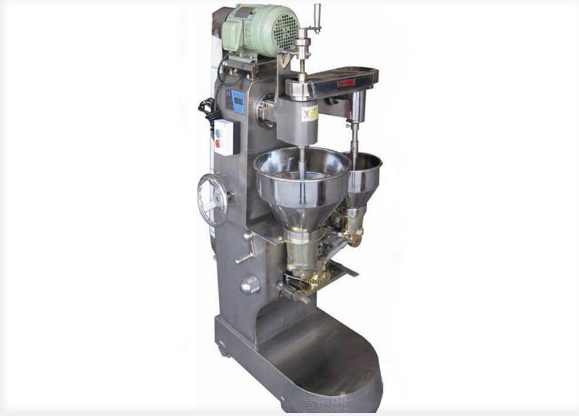
The SMB-001 stuffed meatball machine forms meat paste with filling inside into uniform, round meatballs at 80-300 kg per hour.
This site uses cookies for analytics and to improve your experience. By clicking Accept, you consent to our use of cookies. Learn more in our privacy policy.

The SMB-001 stuffed meatball machine forms meat paste with filling inside into uniform, round meatballs at 80-300 kg per hour.
Sample output from the Industrial Stuffed Meatball Machine. Ask us for real production photos matched to your exact product and capacity.
The SMB-001 stuffed meatball machine forms meat paste with filling inside into uniform, round meatballs at 80-300 kg per hour. Suitable for chicken balls, fish balls, shrimp balls, beef balls, mutton balls, and vegetable balls — widely used in meat processing factories, central kitchens, hotels, and institutional dining.
| Model | Capacity | Configuration |
|---|---|---|
| SMB-101 Compact | 80-150 kg/h | Restaurants, hotel kitchens. 16-30 mm sizes. 0.55 kW. |
| SMB-001 Standard | 150-250 kg/h | Mid-scale plants. 16-35 mm sizes. 1.1 kW. Adjustable filling ratio. |
| SMB-201 Industrial | 250-350 kg/h | Continuous production lines. 16-40 mm sizes. 1.5 kW. Auto-feed hopper. |
Typical values — each model is configured to your product, cut size, and line speed.
Frozen food makers producing stuffed and filled meatballs at line scale. For the full range, see the processing hub.
The stuffed machine makes shell-and-filling balls at 80-300 kg per hour and also makes solid balls by disconnecting the filling hopper. If filled products are your premium line and volume is moderate, it covers both. If you need commodity solid balls at maximum throughput and lowest cost, a dedicated solid former runs faster on the same floor space.
The positive-displacement pump handles viscosity up to 50,000 cP, which covers cream cheese, mascarpone, and bean paste. Chunky fillings are the separate issue: order the chunk-resistant nozzle, because solid particles in a standard nozzle cause portion drift. The filling ratio is adjustable, so shell thickness changes with the recipe rather than the mold.
It is the batter, not the machine. Roundness runs at 98% or better with a wet batter, high fat and ice water; dry, low-moisture batter produces tails and rough seams. Adjust moisture in the chop stage upstream, and check that the batter is properly emulsified before it reaches the hopper. The forming head itself rarely causes tails.
Swap the forming mold: no tools, about 30 seconds. Standard molds are 18, 22, and 25 mm, and custom diameters from 16 to 40 mm are available. Most plants keep the three standard molds on the shelf and change between retail sizes within a run. Cleaning between flavor changeovers takes 15-20 minutes with tool-free hopper and head removal.
The typical order is mincer, bowl chopper, this former, a 90°C blanching tank for about 5 minutes of surface setting, then a blast freezer. The former discharges raw balls, so the blancher and freezer are your scope or ours. We confirm infeed batter temperature and discharge height against your upstream chopper before shipping.
Yes. We provide installation and commissioning support, and 12 months of after-sales service, including spare parts help and technical response.

 7 * 24 Support
 Remote Support
 Global Coverage