Industrial Microwave Fruit Drying Machine
The MFD-001 dries mango, apple, pineapple, banana slices in 30-60 minutes (vs 8-12 hours hot-air) using 2450 MHz microwave penetration.
This site uses cookies for analytics and to improve your experience. By clicking Accept, you consent to our use of cookies. Learn more in our privacy policy.

The MFD-001 dries mango, apple, pineapple, banana slices in 30-60 minutes (vs 8-12 hours hot-air) using 2450 MHz microwave penetration.
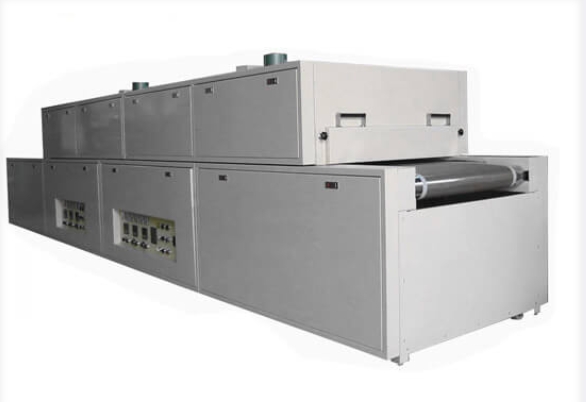
Sample output from the Industrial Microwave Fruit Drying Machine. Ask us for real production photos matched to your exact product and capacity.
The MFD-001 dries mango, apple, pineapple, banana slices in 30-60 minutes (vs 8-12 hours hot-air) using 2450 MHz microwave penetration. 60-80% energy saving vs hot-air. Color and vitamin C retention 95%+.
| Model | Capacity | Configuration |
|---|---|---|
| MFD-101 Batch | 50 kg/h | R&D, small producers. 6 kW. Single-phase 220V. |
| MFD-001 Standard | 200 kg/h | Mid-scale. 20 kW, 4 generators. 800mm belt. |
| MFD-201 Industrial | 500 kg/h | Industrial. 40 kW, 6 belt sections. 1200mm belt. |
Typical values — each model is configured to your product, cut size, and line speed.
Dehydrated fruit producers, snack ingredient makers, and herb dryers use microwave drying where throughput and color retention matter. For the full fresh-produce range, see the fruit and vegetable processing hub.
The batch model handles 50 kg/h on 6 kW single-phase 220V for R&D and small producers. The standard continuous unit runs 200 kg/h with 20 kW across four generators on an 800 mm belt. The industrial 500 kg/h configuration uses 40 kW over six belt sections on a 1200 mm belt. Match power to product, since wetter fruit needs longer residence time.
The opposite of what buyers expect: because drying takes 30 to 60 minutes instead of the 8 to 12 hours of hot-air drying, vitamin C, color, and antioxidants retain at 95% or better. Short exposure also means less caramelization. Energy use runs 60 to 80% below hot air for the same load. Mango, apple, pineapple, and banana slices are the common products.
Belt speed adjusts from 0.5 to 5 m/min to set residence time, and the microwave generators alternate phase so no fixed hot spot forms over the belt. Product spread is the other half: an even single layer dries uniformly, while piles shield their centers. Train operators on loading discipline and spot-check moisture at belt edges versus center.
The endpoint is adjustable from 5 to 25% moisture. Typical dried fruit targets 15 to 20%, while crispy vegetable snacks need about 5%. Set the target by product spec, then tune belt speed and power during the first runs and store the recipe. Verify with a moisture meter at discharge until the recipe is proven for each product.
No. The chamber is fully shielded, and a door interlock cuts power instantly if the chamber opens. Leakage measures 1 mW/cm2 or less against the international standard of 5 mW/cm2. Routine checks are part of the maintenance schedule, and staff near the machine need no special protection beyond standard plant rules.
Yes. We provide installation and commissioning support, and 12 months of after-sales service, including spare parts help and technical response.

 7 * 24 Support
 Remote Support
 Global Coverage