Industrial Screw Potato Peeling Washing Machine
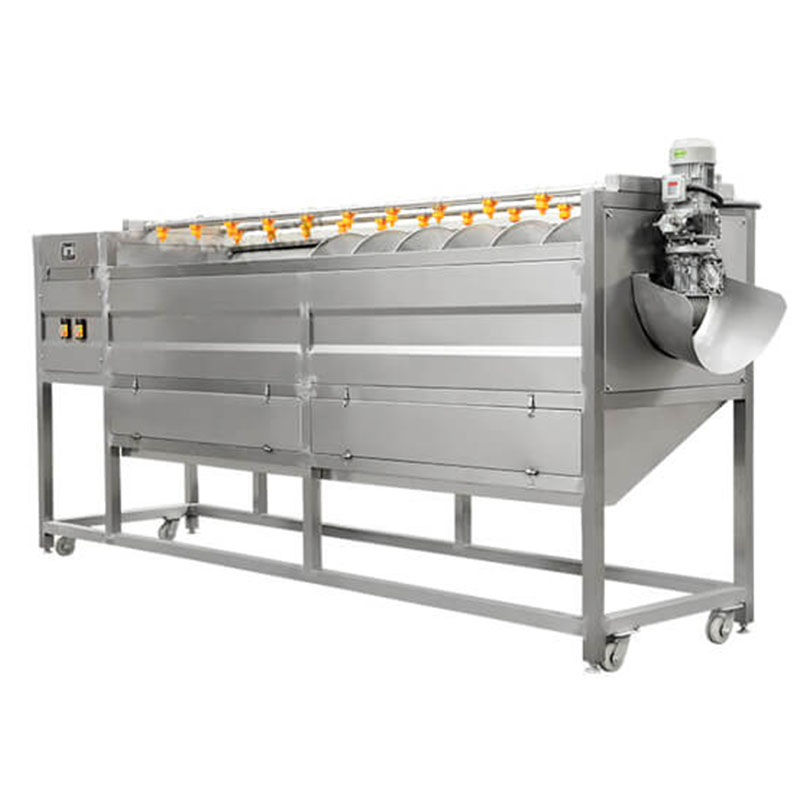
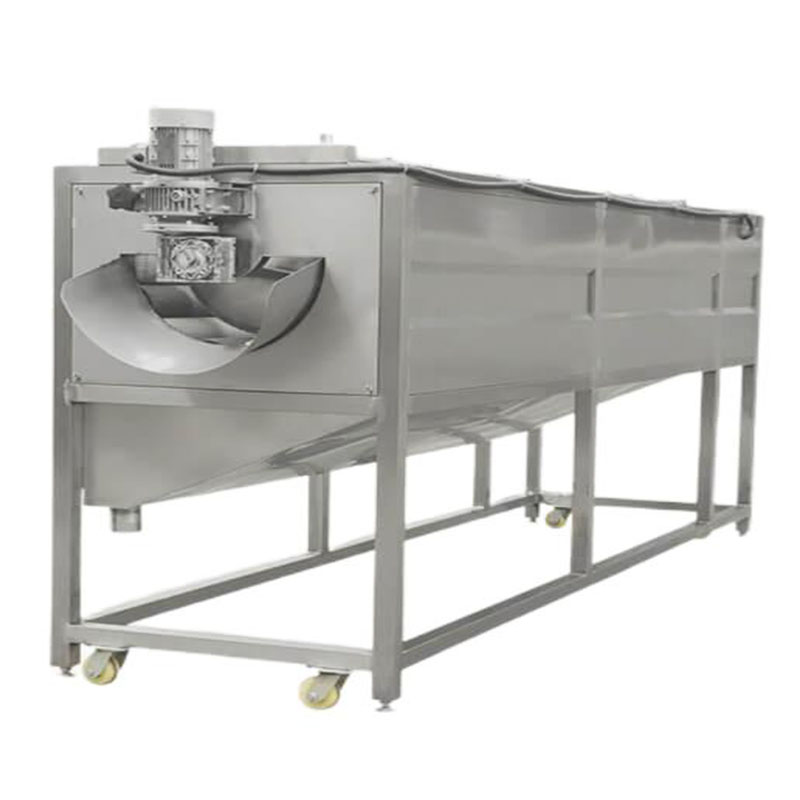
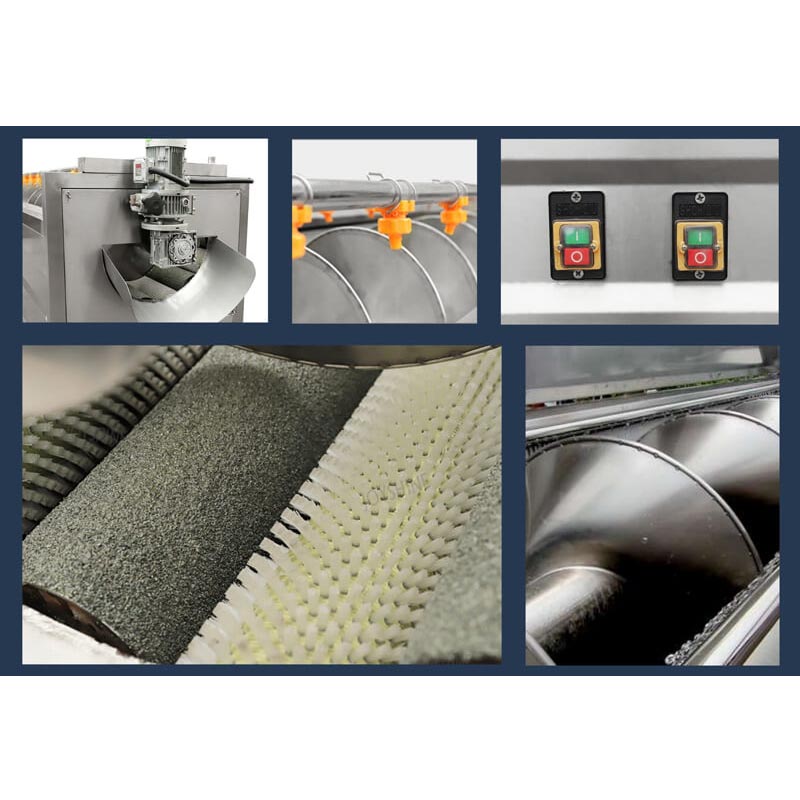
The SPP-001 uses a rotating screw with carborundum-coated interior to peel potatoes, sweet potatoes, taro, and carrots via friction.
This site uses cookies for analytics and to improve your experience. By clicking Accept, you consent to our use of cookies. Learn more in our privacy policy.

The SPP-001 uses a rotating screw with carborundum-coated interior to peel potatoes, sweet potatoes, taro, and carrots via friction.
Sample output from the Industrial Screw Potato Peeling Washing Machine. Ask us for real production photos matched to your exact product and capacity.

The SPP-001 uses a rotating screw with carborundum-coated interior to peel potatoes, sweet potatoes, taro, and carrots via friction. Continuous-feed, 500-2,000 kg/h. SUS304 stainless with replaceable carborundum liner.
| Model | Capacity | Configuration |
|---|---|---|
| SPP-101 Compact | 300 kg/h | 250mm screw. Restaurants, farm shops. 0.75 kW. |
| SPP-001 Standard | 800 kg/h | 400mm screw. Mid-scale processors. 1.5 kW. |
| SPP-201 Industrial | 2,000 kg/h | 600mm screw. Industrial potato chip plants. 3.0 kW. |
Typical values — each model is configured to your product, cut size, and line speed.
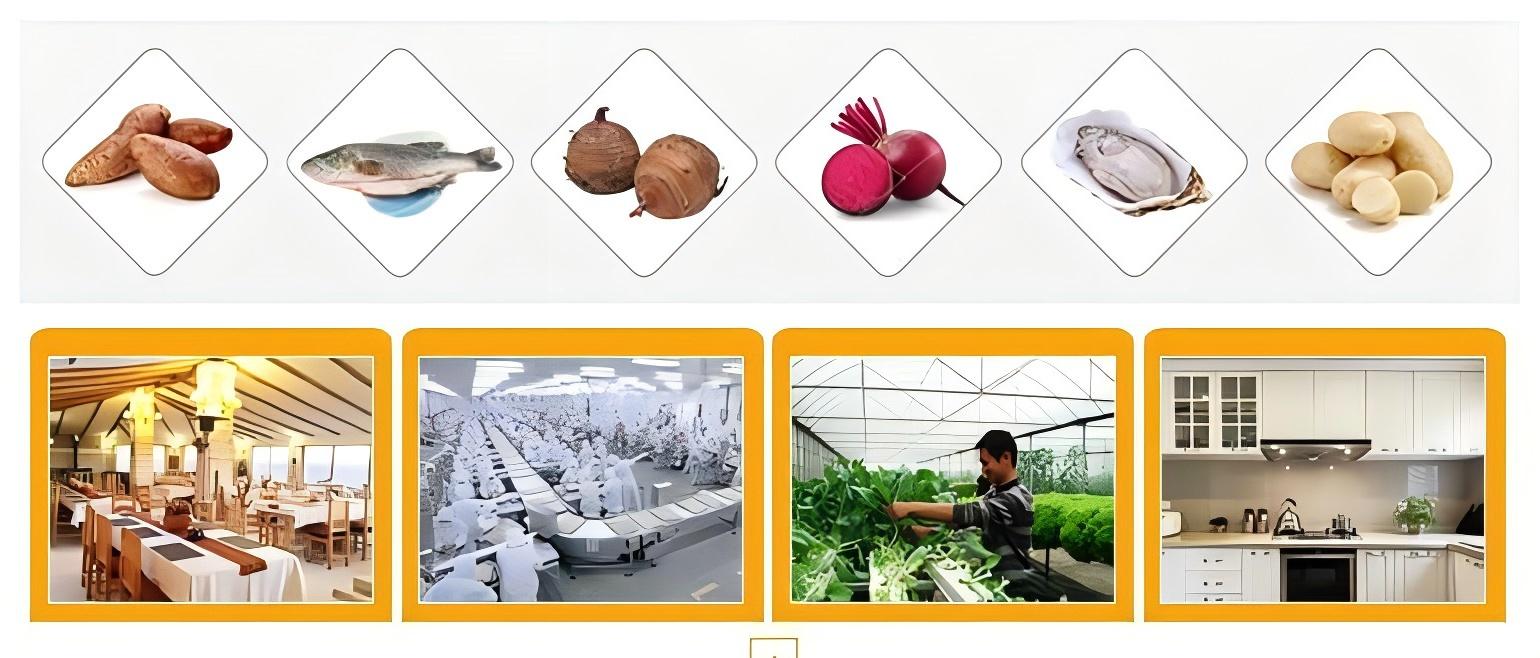
Fresh-cut potato lines, chip and crisp plants, and institutional kitchens peeling potatoes ahead of cutting or cooking. For the full fresh-produce range, see the fruit and vegetable processing hub.
Screw diameter sets capacity. The 250 mm compact unit peels 300 kg/h on 0.75 kW for restaurants and farm shops. The 400 mm standard runs 800 kg/h at 1.5 kW for mid-scale processors, and the 600 mm industrial machine reaches 2,000 kg/h at 3.0 kW for chip plants. Potatoes, sweet potatoes, taro, and carrots peel on the same continuous-feed machine.
Carborundum, silicon carbide, is harder and wears far longer, which suits hard root vegetables that quickly gloss over nylon brush. Brushes are gentler and better for thin or soft skins. On this machine friction against the carborundum interior removes peel continuously as the screw advances the product, with peel loss of 4 to 6% by weight against 8 to 10% by hand.
Five to seven years on a single shift, or 3 to 4 years on two shifts. When it finally wears smooth, replacement takes about 4 hours and costs USD 280 to 450, which is modest against the life of the machine. Watch peel rate as the wear indicator: when peel removal slows at the same dwell time, the liner surface is going glassy.
A spray of 50 to 100 liters per hour in standard setup, with a recirculation option that cuts demand to around 20 liters per hour. The recirculation loop suits sites with metered water or limited drainage. Product needs no pre-treatment: brush off visible dirt if heavily soiled, and a 5 minute pre-soak improves peel uniformity on dirty lots.
Yes. The dry-peel option removes skin without added water, for chip applications where surface water interferes with frying. Expect capacity to drop about 30% in dry mode because friction does all the work without water transport. If your program mixes fried and fresh-cut products, plan campaign scheduling around the two modes.
Yes. We provide installation and commissioning support, and 12 months of after-sales service, including spare parts help and technical response.

 7 * 24 Support
 Remote Support
 Global Coverage