Industrial Sesame Peeling Machine
The SPM-001 removes the brown outer coat from sesame seeds to produce white sesame.
This site uses cookies for analytics and to improve your experience. By clicking Accept, you consent to our use of cookies. Learn more in our privacy policy.

The SPM-001 removes the brown outer coat from sesame seeds to produce white sesame.
Sample output from the Industrial Sesame Peeling Machine. Ask us for real production photos matched to your exact product and capacity.
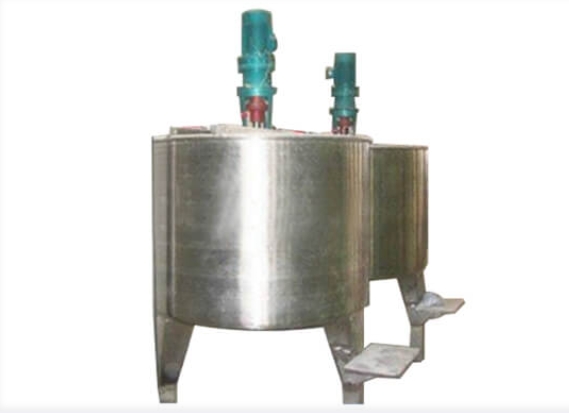
The SPM-001 removes the brown outer coat from sesame seeds to produce white sesame. 100-400 kg/h. Wet peeling process with alkaline soak + mechanical friction.
| Model | Capacity | Configuration |
|---|---|---|
| SPM-101 | 100 kg/h | Small tahini/bakery suppliers. 1.5 kW. |
| SPM-001 | 250 kg/h | Mid-scale. 3.0 kW. Wet peeling + separator. |
| SPM-201 | 400 kg/h | Industrial. 4.0 kW. Continuous feed + auto-dryer. |
Typical values — each model is configured to your product, cut size, and line speed.
Tahini and halva producers peeling sesame hulls for a smooth, light-colored paste. For the full range, see the processing hub.
Sesame coats cling too tightly for dry removal, so the process is wet: an alkaline soak at 1 to 2% NaOH softens the coat, then mechanical friction rubs it off the kernel. Done with proper soaking, the peel rate runs 93 to 95%. Pre-cleaning the seed first lifts that rate further, since sand and grit interfere with the friction stage.
Count four steps: clean the raw seed, soak in the alkaline solution, peel by friction, then dry. Drying is two-stage, a centrifugal dryer sheds most water and a hot-air dryer brings the seed below 5% moisture for stable storage or grinding. The 400 kg/h industrial model integrates continuous feed and auto-drying; smaller models pair with a separate dryer. Plan the water and drainage for it.
Expect 3 to 5% kernel loss, which is the accepted band for wet peeling of this seed size. The friction stage is calibrated to minimize it: too little friction leaves coats on, too much takes kernels with them. If your loss creeps above the band, the soak is usually the culprit, either too weak to loosen coats or so long that kernels soften and break down.
The coats float free in the wash water and are collected separately rather than mixing with the seed bed. They are suitable for animal feed, so most plants dewater and sell or reuse them. This also means the machine needs a water management plan: fresh water in, coat-laden water out. We outline the drainage and collection setup for your model before shipping.
Daily washing is non-negotiable with an alkaline process, because dried residue attacks surfaces and blocks lines. Monthly, inspect the friction plates, the component that both peels the seed and wears. At 1.5 to 4.0 kW the drives are modest; your running costs sit mostly in water, heating for the hot-air dryer, and the NaOH consumable rather than electricity.
Yes. We provide installation and commissioning support, and 12 months of after-sales service, including spare parts help and technical response.

 7 * 24 Support
 Remote Support
 Global Coverage