Industrial Chestnut Peeling Machine
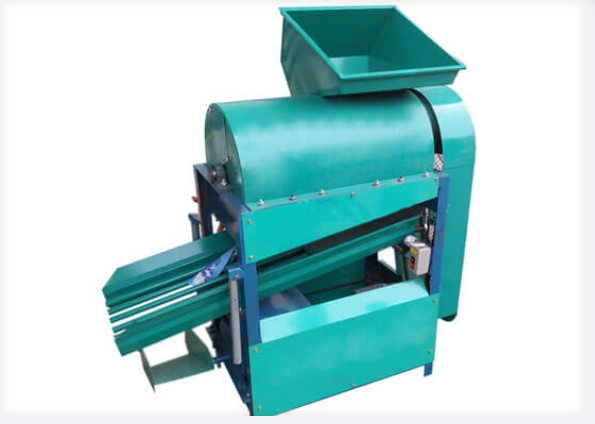
The CTM-001 removes both the outer shell and inner skin from chestnuts.
This site uses cookies for analytics and to improve your experience. By clicking Accept, you consent to our use of cookies. Learn more in our privacy policy.

The CTM-001 removes both the outer shell and inner skin from chestnuts.
Sample output from the Industrial Chestnut Peeling Machine. Ask us for real production photos matched to your exact product and capacity.
The CTM-001 removes both the outer shell and inner skin from chestnuts. 200-800 kg/h. Cross-cut + steam + roller peeling for clean, whole peeled chestnuts.
| Model | Capacity | Configuration |
|---|---|---|
| CTM-101 | 200 kg/h | Small chestnut roasters. 1.5 kW. |
| CTM-001 | 500 kg/h | Mid-scale. 3.0 kW. Steam + roller. |
| CTM-201 | 800 kg/h | Industrial. 4.0 kW. Auto-feed + sorting. |
Typical values — each model is configured to your product, cut size, and line speed.
Roasted chestnut producers and chestnut flour mills removing shell and inner skin. For the full range, see the processing hub.
In three automatic steps: a cross-cut opens the shell, steam loosens the inner skin from the kernel, and rollers strip both away. No pre-scoring is needed, the machine makes its own cut, which removes the most labor-heavy step in chestnut preparation. The sequence is why one pass yields clean, ready chestnuts rather than kernels needing a second skinning operation.
88 to 92% whole kernels, with the remaining 8 to 12% emerging halved or broken. That balance is inherent to chestnut texture, and buyers of peeled chestnuts generally accept both grades. If whole kernels are your premium product, sorting after peeling separates the grades for different sales channels, and the broken fraction is still saleable for purees and flours rather than a loss.
All common varieties run, European marron, Chinese, Korean, and Japanese among them. What changes between them is shell thickness and skin adhesion, so steam exposure and roller pressure get tuned per variety. Season and storage also matter, since dried-out chestnuts cling to their skins. Peel a sample lot when a new variety or a new season’s crop arrives and adjust before full runs.
Consumption runs 5 to 15 kg of steam per hour depending on model, and the machine is compatible with a standard boiler, so most food plants need no new steam infrastructure. Confirm your boiler’s capacity and pressure during ordering. Also plan condensate drainage at the machine, since the steam stage produces water that must exit cleanly in a food-safe way.
A daily wash, necessary with a steam process that leaves residue, and a monthly inspection of both blades and rollers, the two components doing the cutting and stripping. Blades dull on shell work faster than on most nuts, so cut quality is your cue for replacement. At 1.5 to 4.0 kW, power draw is modest; steam, not electricity, is the real running cost.
Yes. We provide installation and commissioning support, and 12 months of after-sales service, including spare parts help and technical response.

 7 * 24 Support
 Remote Support
 Global Coverage