Industrial Rice Noodle Machine
Extrudes vermicelli, pho, and ho fun rice noodles from rice flour in one pass — 100–500 kg/h typical, twin-screw on larger frames.
This site uses cookies for analytics and to improve your experience. By clicking Accept, you consent to our use of cookies. Learn more in our privacy policy.

Extrudes vermicelli, pho, and ho fun rice noodles from rice flour in one pass — 100–500 kg/h typical, twin-screw on larger frames.
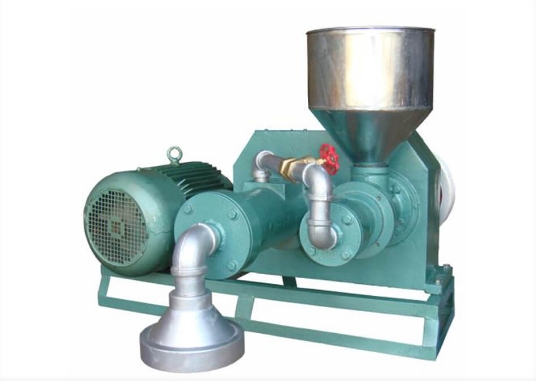
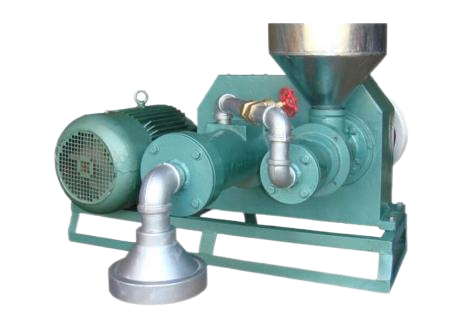
Sample output from the Industrial Rice Noodle Machine. Ask us for real production photos matched to your exact product and capacity.
The RNM series extrudes fresh and dried rice noodles — vermicelli, flat pho noodles, and thick ho fun — from rice flour in one pass. Typical capacity 100–500 kg/h.
Fine rice flour is hydrated into a batter and cooked in the barrel as the screw works it — the starch gelatinizes under heat and shear, and the cooked paste extrudes through the die as a finished noodle. The noodle needs only cooling and cutting before packing. Twin screws on the larger frames give the even gelatinization that holds a clean, springy bite.
| Model | Capacity | Screws | Dies | Typical use |
|---|---|---|---|---|
| RNM-101 | 100–200 kg/h | Single | 5 shapes included | Small fresh lines |
| RNM-001 | 200–350 kg/h | Twin | 5 shapes included | Regional plants |
| RNM-201 | 350–500 kg/h | Twin | 5 + custom | Export plants |
Typical values — barrel length and die set are configured to your noodle format.
Vermicelli (bun), flat rice noodle (pho), thick rice noodle (ho fun), and rice stick — the five standard dies ship with the machine and swap in about 3 minutes. Glass noodles from mung bean starch are a different process and are not covered.
The machine runs fine rice flour (80–100 mesh) or batter from soaked rice. Flour silo feeding pairs with the FLM flour mixer on larger plants.
Wheat noodles run on the NML noodle line; the family overview is on the pasta processing hub.
Vermicelli (bun), flat rice noodle (pho), thick rice noodle (ho fun), and rice stick on the five included dies.
Yes — fine rice flour at 80–100 mesh, or rice batter from soaked rice.
Twin screws on the RNM-001 and RNM-201 give better texture and throughput; the RNM-101 runs a single screw.
No — glass noodles use mung bean starch and a different process.
About 3 minutes; five die shapes are included.
Daily screw clean; monthly bearing check.
Yes — the starch gelatinizes in the barrel, so the extruded noodle needs only cooling and cutting.
Yes — the line feeds your drying stage for dried formats — Esper Foodtech Engineering scopes it to your product.

 7 * 24 Support
 Remote Support
 Global Coverage