Industrial Electric Food Truck
The EFT-001 electric food truck: 4-6m self-propelled mobile kitchen.
This site uses cookies for analytics and to improve your experience. By clicking Accept, you consent to our use of cookies. Learn more in our privacy policy.

The EFT-001 electric food truck: 4-6m self-propelled mobile kitchen.
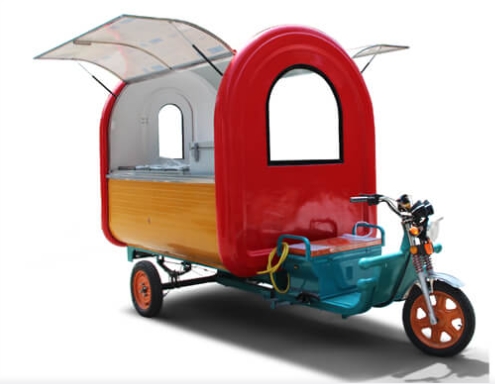
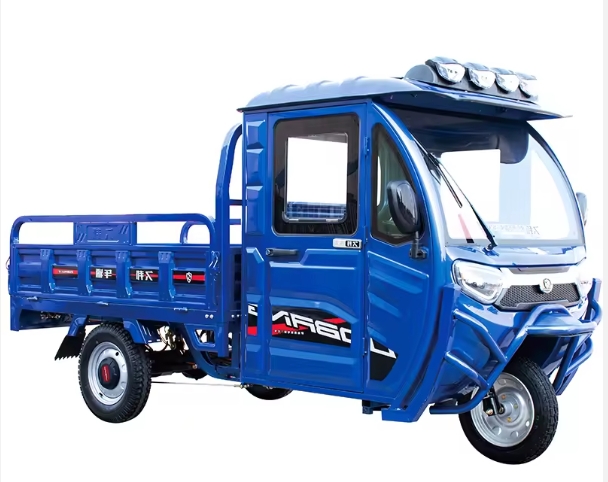
Sample output from the Industrial Electric Food Truck. Ask us for real production photos matched to your exact product and capacity.
The EFT-001 electric food truck: 4-6m self-propelled mobile kitchen. Zero emissions, 80-120 km range. Full equipment package. For urban food vending, campuses, and green cities.
| Model | Capacity | Configuration |
|---|---|---|
| EFT-101 | 4m / 80km | Compact. 3 kW motor. 60 km/h top speed. |
| EFT-001 | 5m / 100km | Standard. 5 kW motor. 70 km/h. Full kitchen. |
| EFT-201 | 6m / 120km | Large. 7 kW motor. 80 km/h. Extended kitchen + storage. |
Typical values — each model is configured to your product, cut size, and line speed.
Mobile food businesses serving full menus from electric trucks. For the full range, see the processing hub.
Real-world range runs 80-120 km depending on model and load, which covers a full 8-hour trading shift including the day’s driving between pitches. The honest planning figure is your route plus headroom for hills and heating or cooling, because cold weather trims range. We check your daily circuit against the model before you order.
The battery pack supplies 5-10 kW for kitchen equipment, with propane as the backup cooking source, the same hybrid logic that keeps electric commercial vehicles workable. Heavy-draw items like griddles run on gas while refrigeration and electronics run on battery. The split is engineered against your appliance list at the design stage.
Standard is overnight charging at 220V for 6-8 hours, which premises with normal electrical service can support. A DC fast-charge option cuts that to about 2 hours for double-shift operators. The battery is LiFePO4 chemistry rated beyond 1,000 cycles, so a daily charge cycle runs 3-5 years before replacement.
These trucks are typically classified as low-speed electric vehicles, and some cities require a special vending or operating permit on top of road registration. Rules differ by market, so we engineer to the requirements you confirm with your local authorities. Settling this before ordering is safest, since it can shape the build.
Yes, that is the standard process: we engineer the layout to your menu, your appliance list, and the regulations of the city you trade in, from cook line and extraction to refrigeration and service window flow. Equipment drawings up front make the electrical and gas plan clean, which is what keeps the build on schedule.
Yes. We provide installation and commissioning support, and 12 months of after-sales service, including spare parts help and technical response.

 7 * 24 Support
 Remote Support
 Global Coverage