Industrial Gummy Candy Machine
Gummy candy depositor: cooks gelatin/pectin mass, deposits into starch molds, cures, demolds.
This site uses cookies for analytics and advertising. Accept them all, decline them all, or choose which ones you allow. Learn more in our privacy policy.

Gummy candy depositor: cooks gelatin/pectin mass, deposits into starch molds, cures, demolds.
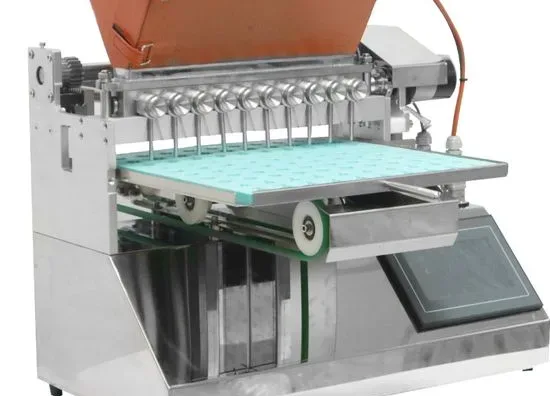
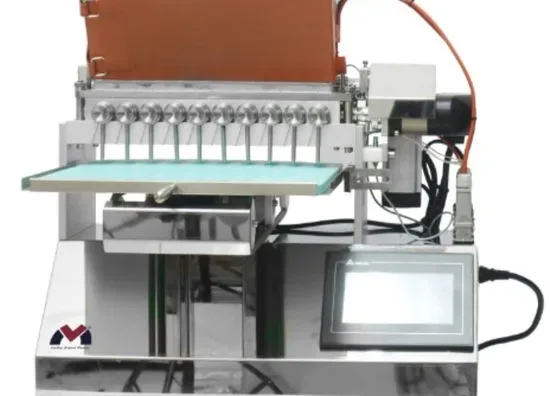
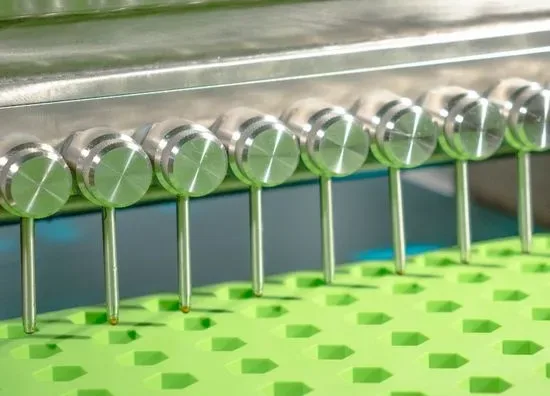
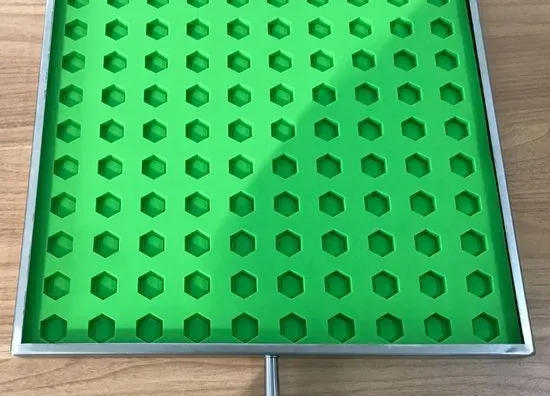
Sample output from the Industrial Gummy Candy Machine. Ask us for real production photos matched to your exact product and capacity.




Fully automatic gummy depositor line: cooking, depositing, demolding and cooling in one PLC-controlled flow. SS316 contact parts, quick-change or pin molds.
| Model | Capacity | Material | Total power | Dimension | Weight |
|---|---|---|---|---|---|
| GMY-101 | 80–150 kg/h | SS316 / SS304 | ~70 kW (80 kg line, 300 A) | Customized length | — |
| GMY-701 | 300–400 kg/h | SS316 / SS304 | On request | 11,188×2,949×3,759 mm (300 kg line) | 8,000 kg |
| GMY-201 | 400–600 kg/h | SS316 / SS304 | On request | Customized | — |
Candy plants producing gummy bears, jellies and pectin candies. For the full range, see the confectionery hub.
Yes, the cooking and depositing side handles all three hydrocolloids. Gelatin gives the traditional gummy chew, pectin delivers a vegan set that is softer and fruit-forward, and agar runs firmer in the Asian style. The differences live in the recipe and depositing temperature, so one line can serve a mixed portfolio without hardware changes.
Deposited starch molds cure 24-48 hours in a drying room held around 20-25°C and 40-50 percent relative humidity while the starch pulls moisture out of the candy. That room is real floor space and real HVAC, and it is the part gummy startups most often under-build. We spec the room requirements together with the line.
Shapes come from the starch mold imprint: a board printed with your cavity pattern, so bears, worms, rings, fruits, and fully custom shapes are all just mold boards. Changing the product shape means changing boards and recalling the depositing program. That is how brands get differentiated products without differentiated machinery.
Yes. Vitamin and mineral dosing is added to the gelatin or pectin mass before depositing, and metered dosing holds the declared level across the batch, which is what supplement labeling requires. Fortified runs often pair with the oil or sugar coating tumbler, since a coating masks dosing notes and stops pieces sticking together.
Starch is recycled through the system, so its condition runs the whole line. Monthly starch sieve checks remove lumps, burnt sugar particles, and spent starch; the depositor gets a quarterly deep clean. Topping up with fresh starch keeps moisture absorption at the level the curing schedule was designed around.
Yes. We provide installation and commissioning support, and 12 months of after-sales service, including spare parts help and technical response.

 7 * 24 Support
 Remote Support
 Global Coverage