Industrial Panning and Coating Machine
Chocolate/sugar panning drum: coats nuts, dried fruit, or candy centers with layers of chocolate or sugar.
This site uses cookies for analytics and advertising. Accept them all, decline them all, or choose which ones you allow. Learn more in our privacy policy.

Chocolate/sugar panning drum: coats nuts, dried fruit, or candy centers with layers of chocolate or sugar.
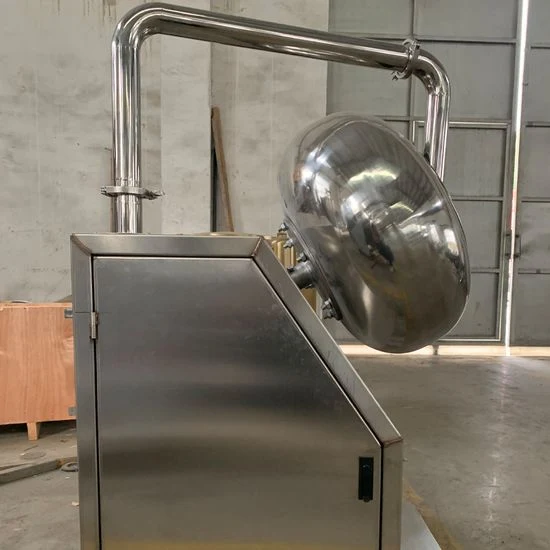
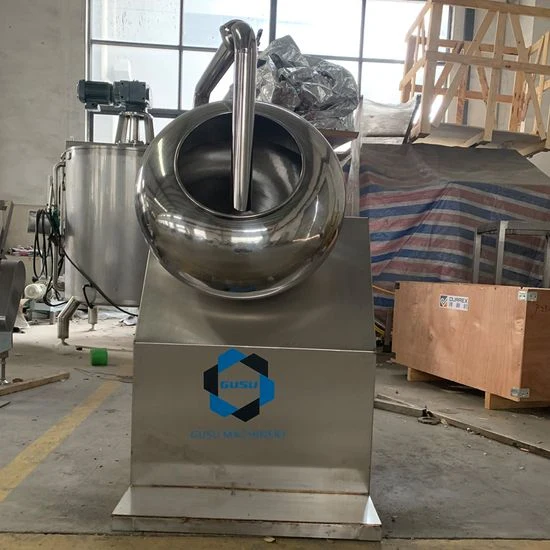
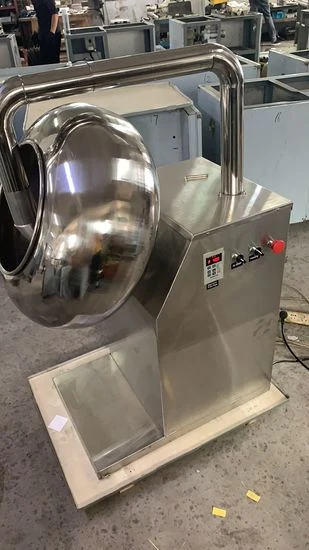
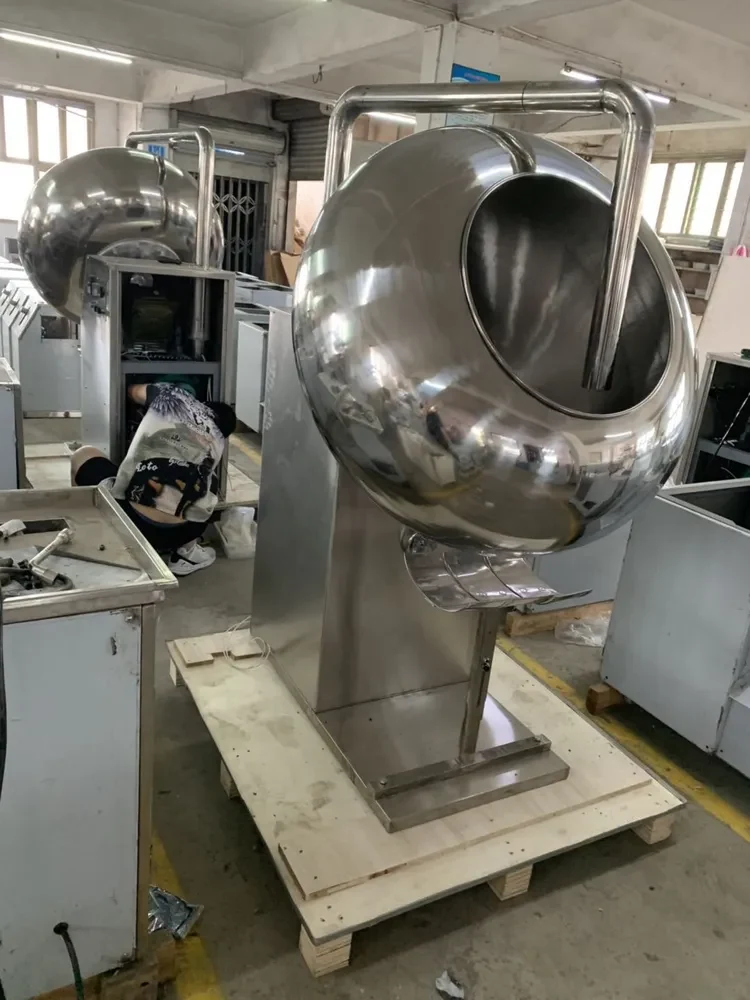
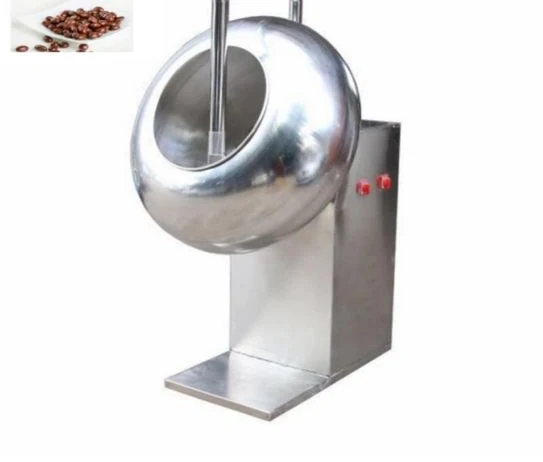
Sample output from the Industrial Panning Machine. Ask us for real production photos matched to your exact product and capacity.

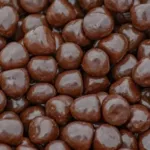


Panning machines build chocolate and sugar shells on nuts, dragees and candy cores in rotating pans — 10–300 kg batches with adjustable speed and cooling air.
| Model | Batch | Pan speed | Power | Dimension (mm) |
|---|---|---|---|---|
| COA-101 (PGJ10 / XD-400 source) | 10 kg | 0–46 r/min | 0.75 kW, 220 V | 580×480×880 |
| COA-701 (PGJ1250 source) | 300 kg | 30 r/min | 1.1 kW, 380 V | 1,300×1,200×1,550 |
| COA-201 (BY1500 source) | 150 kg/drum | Adjustable | 2.2 kW, 220/380 V | 1,100×1,500×1,320 |
Confectionery plants coating dragees, nuts, gum and chocolate buttons in batches.
Mainly by temperature. Chocolate panning runs a cool drum at 12-16°C with sprayed chocolate building the coat layer by layer; sugar panning runs warm at 30-40°C with sprayed syrup. Same machine concept, different climate. A plant doing both needs both air systems, and the mid-scale configuration covers exactly that dual duty.
Plan 2 to 6 hours per batch depending on layer count and product. Each layer is applied, then dried in rotation before the next goes on: soft coat, hard coat, then polish. That is why panning capacity is batch scheduling rather than throughput per hour, and why drum size is chosen against your release schedule.
Nuts like almonds, dried fruit, candy centers, fennel seeds, and jelly centers are all standard: anything dense enough to tumble without breaking apart. Chocolate-coated almonds and sugar-coated fennel are the classic duties. The variables are drum speed and spray rate, both stored per product recipe.
The final polish is carnauba wax or shellac applied in the last stage of the cycle, roughly the last ten minutes of rotation. It is what turns an evenly coated piece into a shelf-ready glossy one. Polish choice follows your market’s ingredient labeling rules, and both options are standard on the machine.
Drum interiors get a monthly deep clean, and every product change starts with a full drum wash, because chocolate and sugar residues carry flavor and allergens into the next batch. Nut-to-non-nut changeovers demand the strictest clean of all. Quarterly air system checks keep spray air dry and oil-free, protecting both food safety and surface finish.
Yes. We provide installation and commissioning support, and 12 months of after-sales service, including spare parts help and technical response.

 7 * 24 Support
 Remote Support
 Global Coverage