Industrial Honey Creamer
Honey creamer (crystallizer): controlled crystallization for smooth, spreadable creamed honey.
This site uses cookies for analytics and advertising. Accept them all, decline them all, or choose which ones you allow. Learn more in our privacy policy.

Honey creamer (crystallizer): controlled crystallization for smooth, spreadable creamed honey.
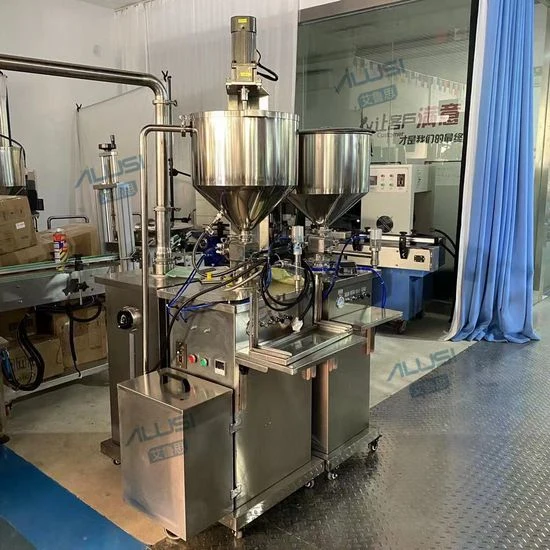
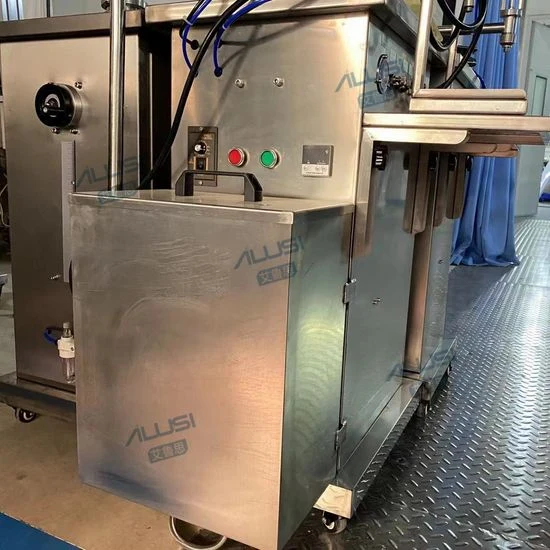
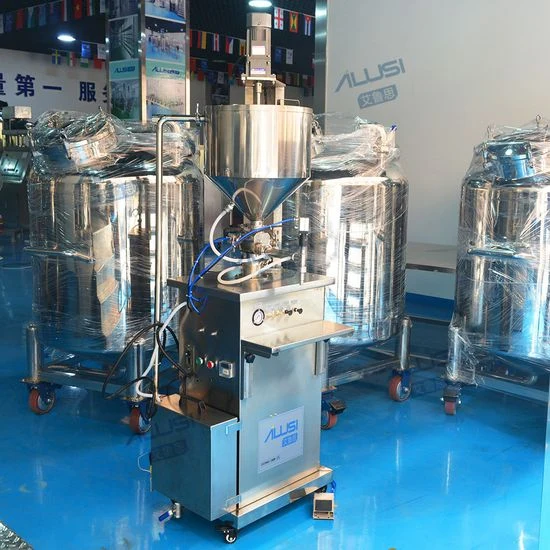
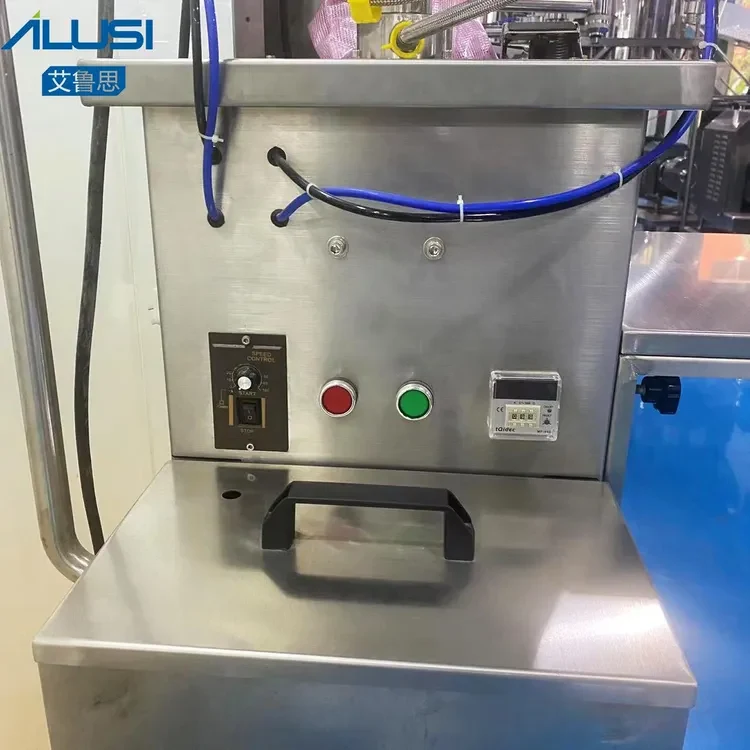
Sample output from the Industrial Honey Creamer. Ask us for real production photos matched to your exact product and capacity.
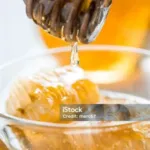

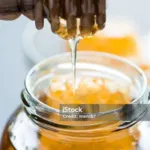
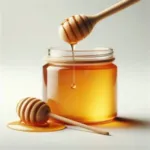
Honey creamer/paste fillers pair a heated, jacketed hopper with piston dosing — cream and fill crystallized honey without scorching it.
| Model | Hopper | Heads | Power | Dimension (mm) |
|---|---|---|---|---|
| HCM-101 | 30 L, electric heated | Single piston | 0.75 kW, 220 V | 490x460x1500 |
| HCM-701 | 100 L with mixing | Double piston | 2.2 kW, 380 V | 800x700x1600 |
| HCM-201 | 200 L jacketed | Double piston + mixer | 4 kW, 380 V | 1,100x900x1,800 |
Honey packers creaming and filling crystallized honey into jars and squeeze bottles.
Match the tank to your largest single packing run. The 100 kg batch unit suits small producers, the 500 kg unit carries a programmable cycle for mid-scale packing, and the 2,000 kg industrial tank supports continuous creamed honey output. Because each batch occupies the tank for the full crystallization hold, count tanks, not just tank size, when planning weekly output.
It is the Dyce process: heat the honey to about 49°C to dissolve existing crystals, cool it to 14°C, seed with 5-10% fine-crystal starter cream, hold at 14°C for 7-10 days with daily stirring, then store finished creamed honey around 21°C. On the programmable models those stages run as a stored cycle rather than a manual schedule.
Crystal size follows seed and temperature. Use 5-10% of an existing fine-textured creamed honey as starter, and hold the crystallization stage steady at 14°C, because temperature swings grow coarse crystals. Also make sure the initial 49°C dissolve step fully cleared old crystals, since leftover coarse seed reappears in the finished texture no matter what follows.
Yes, if you respect the temperature ceiling. Gentle heating that stays under 49°C preserves enzymes and keeps the honey within raw definitions, and the controlled crystallization that follows is a physical process, not a thermal one. Exceeding 49°C during the dissolve step is what costs the raw label, so the programmable profile matters commercially, not just technically.
Two routines cover it. Monthly, check the agitator, its drive, and the shaft seal, since agitation is what keeps the set uniform. Annually, descale the jacket, because scale on the water side insulates the tank and slows both heating and the critical cooling stage. Between those, a food-grade wash between batches is the daily routine.
Yes. We provide installation and commissioning support, and 12 months of after-sales service, including spare parts help and technical response.

 7 * 24 Support
 Remote Support
 Global Coverage