Industrial Steam Boiler for Food Plants
Food-grade steam boiler: provides clean steam for cooking, sterilizing, CIP, and heating.
This site uses cookies for analytics and advertising. Accept them all, decline them all, or choose which ones you allow. Learn more in our privacy policy.

Food-grade steam boiler: provides clean steam for cooking, sterilizing, CIP, and heating.
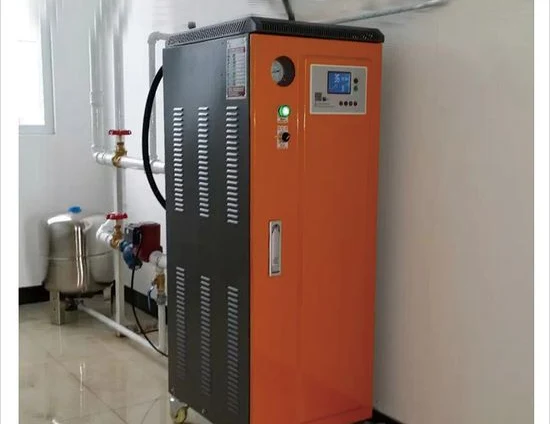
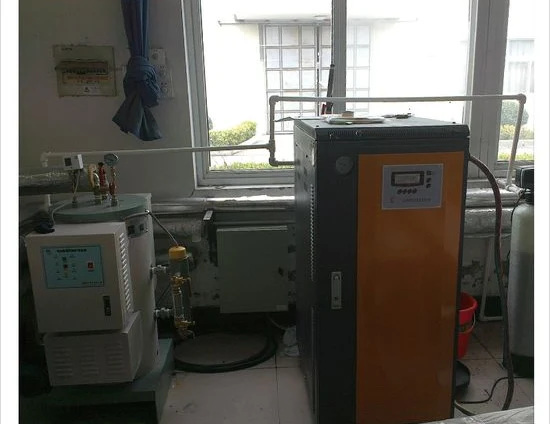
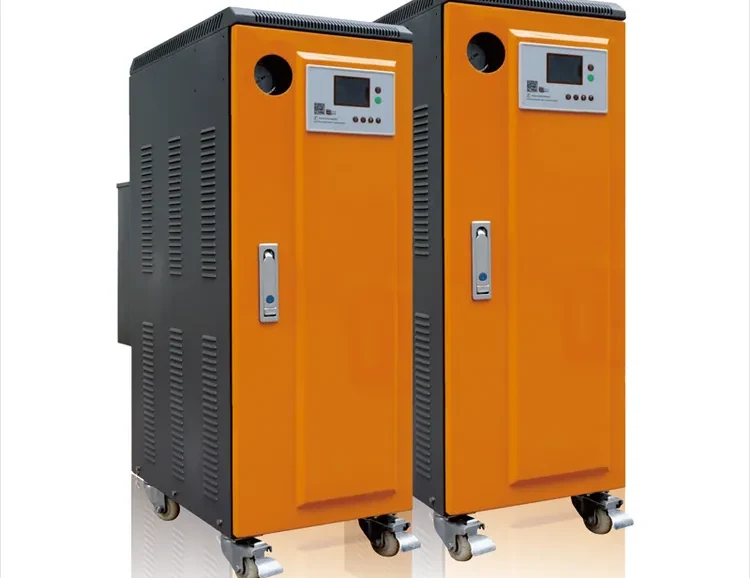
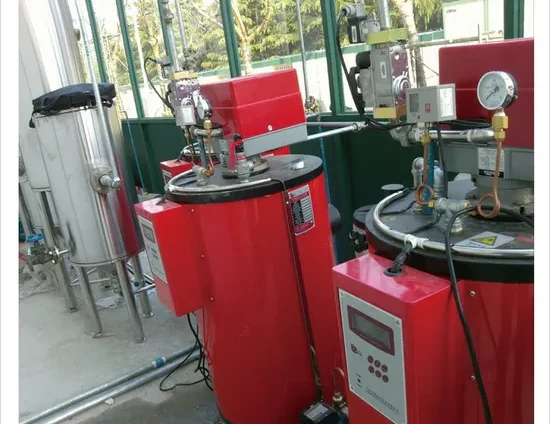
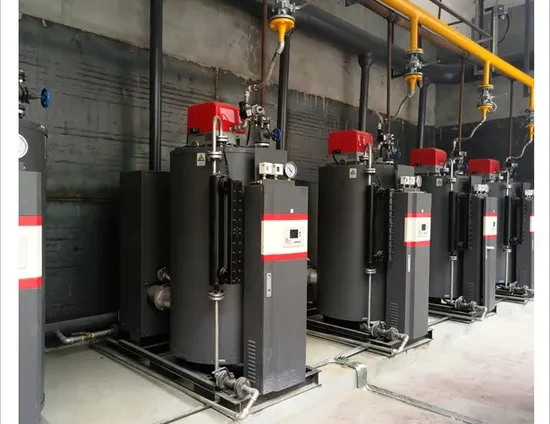
Sample output from the Industrial Steam Boiler. Ask us for real production photos matched to your exact product and capacity.
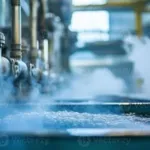

Electric steam boilers deliver clean low-pressure steam for cooking, sterilizing and heating jackets, from 36 to 144 kW without a boiler house.
| Model | Power | Steam | Pressure | Voltage | Weight | Size |
|---|---|---|---|---|---|---|
| STM-101 | 36 kW | 51 kg/h | 0.7 MPa | 220/380V | 95 kg | 540 x 540 x 1080 mm |
| STM-701 | 72 kW | 103 kg/h | 0.7 MPa | 380V | 170 kg | 750 x 620 x 1250 mm |
| STM-201 | 108-144 kW | 155-206 kg/h | 0.7 MPa | 380V | 320-410 kg | 900 x 700 x 1450 mm |
Dairy, sauce and candy plants needing food-safe steam without a boiler house.
Add up the steam consumption of every user: cookers, dryers, sterilizers, CIP heat exchangers, and heating jackets, then apply a diversity factor because not all run at peak together. The range covers 100 to 5,000 kg/h. Size for the winter and peak-season case, not the average day, and leave margin so the burner is not cycling constantly. Send the user list and we run the calculation.
The wetted parts are stainless steel and the steam side runs without chemical treatment contacting the product side, which is what culinary-grade service means in practice. That matters where steam injects directly into kettles or touches product surfaces. For indirect duty through heat exchangers the specification is simpler. We configure the plant against your culinary steam requirement at order stage.
Gas generally gives the cheapest running cost where supply and pressure are reliable, and it serves the whole capacity range. Electric is the cleanest option, with no on-site emissions and no flue, but suits plants limited to around 500 kg/h. Oil, or dual-fuel oil and gas, covers sites without dependable gas. We compare your local fuel prices against the load profile before recommending.
Softened water is the minimum for the feed, with reverse osmosis water specified for electric boilers, and automatic blowdown controls dissolved solids in the vessel. Skipping treatment is what shortens boiler life: scale insulates the heating surface and chloride attacks it. A monthly water quality test is the routine that catches drift. We provide the feedwater specification your plant should hold to.
Expect combustion efficiency around 92 to 95% with an economizer fitted, and a condensing option pushing higher where return water is cold enough to exploit it. Monitoring covers pressure, temperature, water level, and burner status on the panel, with feedwater and blowdown logged. Those records are what let you verify fuel per tonne of steam and spot efficiency loss between services.
Yes. We provide installation and commissioning support, and 12 months of after-sales service, including spare parts help and technical response.

 7 * 24 Support
 Remote Support
 Global Coverage