Industrial Caramel and Toffee Machine
Caramel/toffee cooking + forming line.
This site uses cookies for analytics and advertising. Accept them all, decline them all, or choose which ones you allow. Learn more in our privacy policy.

Caramel/toffee cooking + forming line.
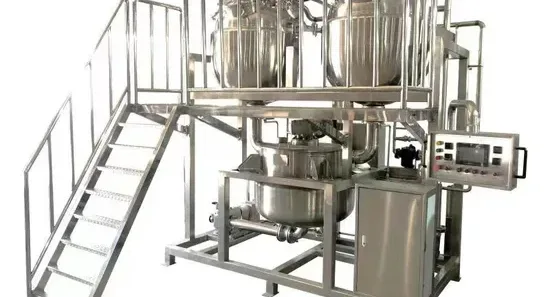
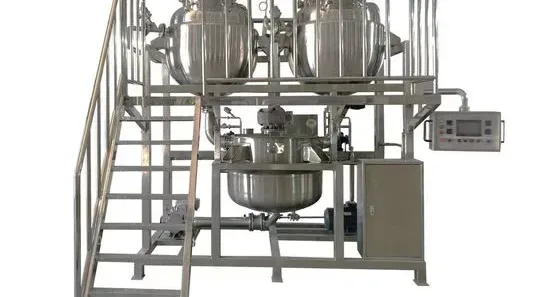
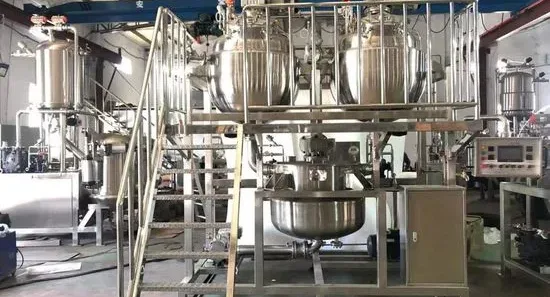
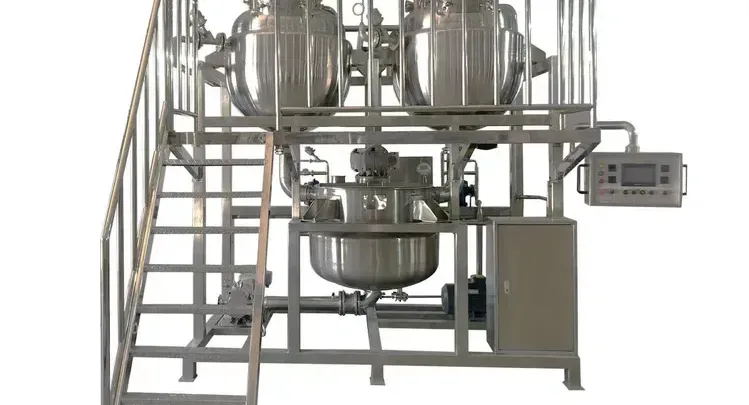
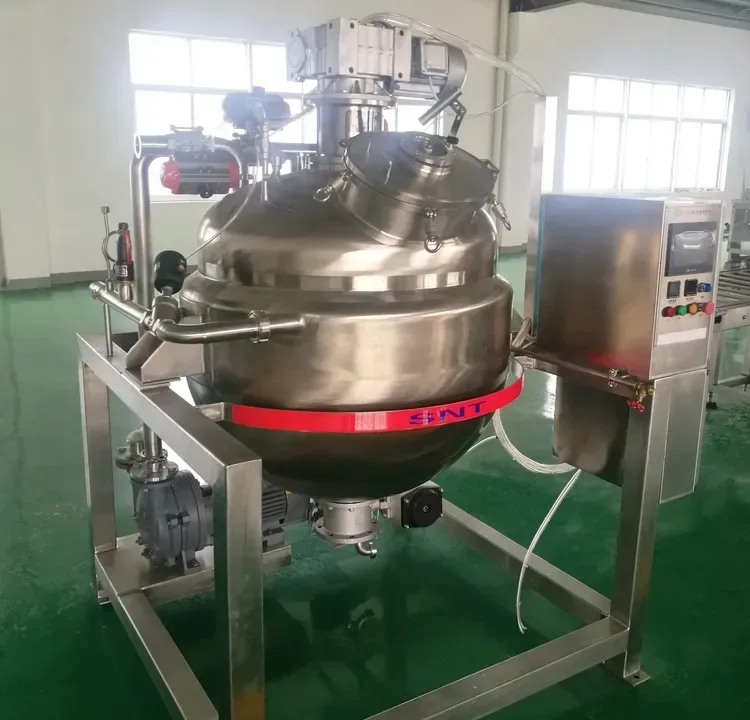
Sample output from the Industrial Caramel and Toffee Machine. Ask us for real production photos matched to your exact product and capacity.
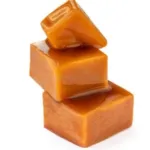
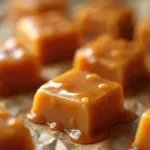


Automatic batch caramel kitchen cooker: vacuum low-temperature cooking with air inflation and mixing — upper pot cooks, lower pot stores for continuous caramel production.
| Model | Capacity | Effective volume | Steam pressure | Power | Weight | Dimension |
|---|---|---|---|---|---|---|
| CAR-101 (HK-C300) | 200–400 kg/h (by cooking time) | 200 litre | 0.6 MPa | 18 kW, 380 V | 2,560 kg | 2,650×1,360×1,800 mm |
| CAR-701 (HK-C300) | 200–400 kg/h, twin cooker layout | 200 litre | 0.6 MPa | 18 kW, 380 V | 2,560 kg | 2,650×1,360×1,800 mm |
| CAR-201 (HK-A600) | Cook, mix and whip line for caramel/nougat | Customized | Steam heating | 46 kW | 3,300 kg | Customized |
Candy plants cooking caramel, toffee and fudge masses before forming. For the full range, see the confectionery hub.
Vacuum lowers the boiling temperature, so the dairy components, cream and butter, cook without heavy caramelization. The result is a clean milky flavor and pale color instead of deep brown and burnt notes. If your brief calls for a dark bitter caramel, atmospheric cooking delivers that profile too; the machine handles both routes.
Yes, because the difference is recipe: caramel carries cream and stays soft, toffee carries butter and cooks to a harder set, fudge runs a lower temperature with additional cream. The machine’s job, accurate cooking and consistent forming, is common to all three. Changeover between them is recipe and temperature, not hardware.
A rope former plus cutter gives individual pieces at line speed, the right choice for high-volume wrapped sweets. Slab forming casts sheets that you cut later, which suits smaller runs and irregular shapes. The largest configuration adds inline twist-wrap or fold-wrap after cutting, taking pieces straight to packed format.
Two routines matter: a monthly cooking vessel clean, because burnt sugar film on the vessel walls darkens every following batch, and a quarterly forming head service, because a worn die changes piece weight and shape. Between services, scraper condition and knife sharpness are the daily watch items on the line.
Decide it with the line, not after. The top configuration includes inline twist or fold wrapping, and its layout, cooling length, and line speed are built around wrapped output. Retro-fitting wrapping to an unwrapped line means re-balancing cooling and speeds downstream, so specifying the end format up front avoids that redesign entirely.
Yes. We provide installation and commissioning support, and 12 months of after-sales service, including spare parts help and technical response.

 7 * 24 Support
 Remote Support
 Global Coverage