Industrial Chocolate Tempering Machine
Chocolate tempering machine: controlled heating/cooling cycle to stabilize cocoa butter crystals.
This site uses cookies for analytics and advertising. Accept them all, decline them all, or choose which ones you allow. Learn more in our privacy policy.

Chocolate tempering machine: controlled heating/cooling cycle to stabilize cocoa butter crystals.
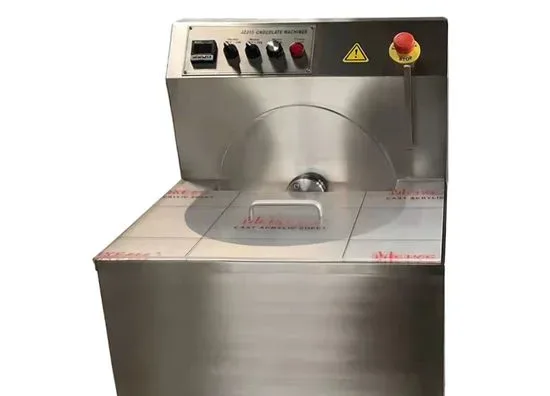
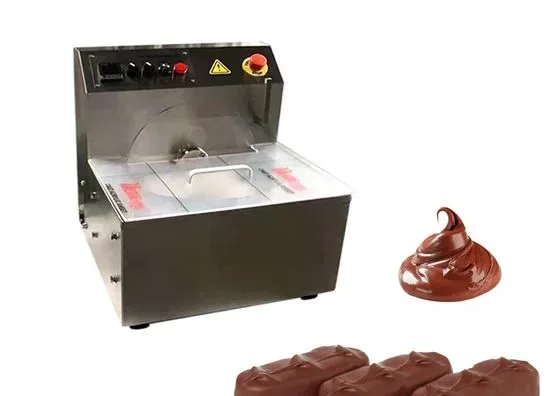
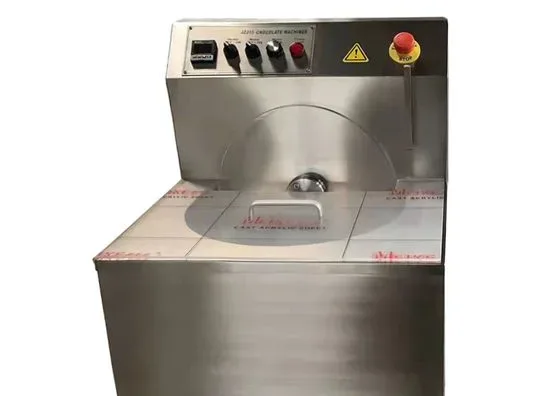
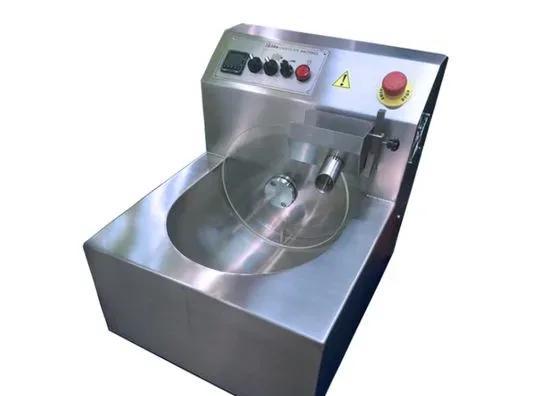
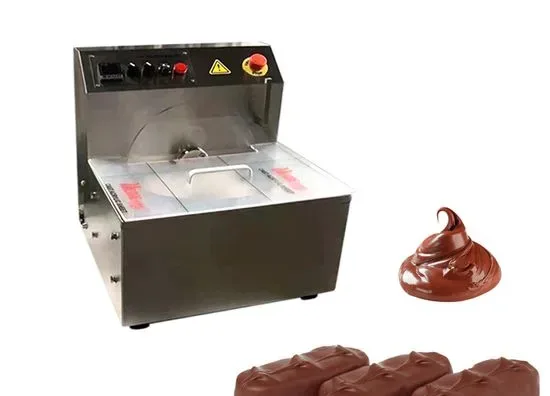
Sample output from the Industrial Chocolate Tempering Machine. Ask us for real production photos matched to your exact product and capacity.


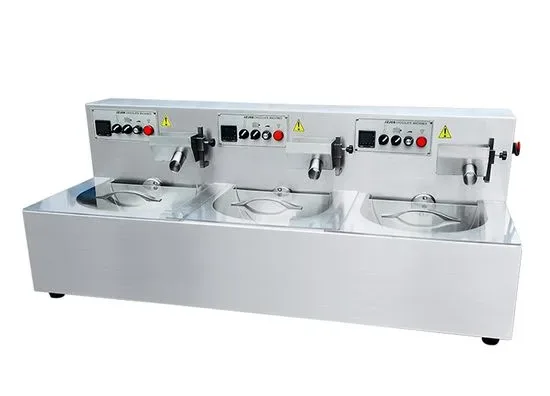
Chocolate tempering machine with SUS304 construction for consistent crystal formation before molding or enrobing.
| Model | Capacity | Power | Weight | Material | Voltage |
|---|---|---|---|---|---|
| CHT-101 (HM-30 small) | 8 kg/h | 1.5 kW | 300 kg | SUS304 | 110/220 V |
| CHT-701 (HM-30) | 30 kg/h | 1.5 kW | 300 kg | SUS304 | 220/380 V |
| CHT-201 (HM-60) | 60 kg/h | 1.5 kW | 300 kg | SUS304 | 380 V |
Chocolatiers and candy plants tempering couverture before molding or enrobing. For the full range, see the confectionery hub.
The classic cycle heats to 45-50°C to erase old crystals, cools to 27-28°C to seed Form V, then rewarms to working temperature: 31-32°C for dark, 29-30°C for milk, 28-29°C for white. Each curve is stored as a recipe, and the industrial PLC model runs four temperature zones, so the machine follows the curve tightly batch after batch.
Stable Form V cocoa butter crystals are what make chocolate commercial: a glossy surface, a clean snap, heat resistance in the pack, and no fat bloom in storage. Undertempered chocolate looks dull, bends instead of snapping, and blooms within weeks. The machine exists to hit that crystal form on every batch, not on most batches.
Each chocolate type has its own stored tempering curve, so changeover is a recipe recall plus a drain and clean of the wetted path, white after dark being the strict case. Sequencing production from white to dark minimizes full cleans between runs. Planning the week’s colors in order is what keeps changeover time from eating output.
Tempering uses jacketed cooling fed by chilled water at 5-15°C, and that loop must hold temperature steadily through the cooling phase, so plant chilled water capacity matters as much as machine rating. An annual cooling jacket descale keeps heat transfer, and therefore temper quality, from drifting slowly downward between services.
Batch units suit artisan production at around 100 kg per batch. Continuous models feed tempered chocolate straight to an enrober or molder non-stop, which is what a line running all day needs, at 500 or 1,000 kg scale. Tempering in batches and molding continuously starves the line at peak, so match the two from the start.
Yes. We provide installation and commissioning support, and 12 months of after-sales service, including spare parts help and technical response.

 7 * 24 Support
 Remote Support
 Global Coverage