Industrial Wafer Baking Line
Wafer production: batter mixing, wafer sheet baking, cream spreading, layer building, cutting.
This site uses cookies for analytics and advertising. Accept them all, decline them all, or choose which ones you allow. Learn more in our privacy policy.

Wafer production: batter mixing, wafer sheet baking, cream spreading, layer building, cutting.
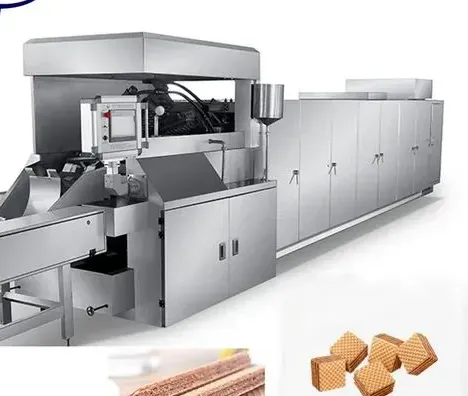
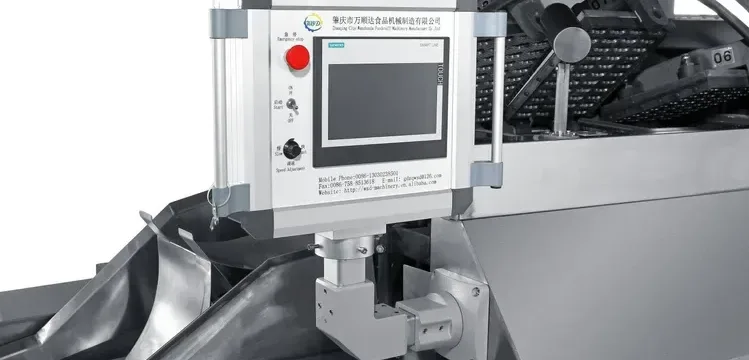
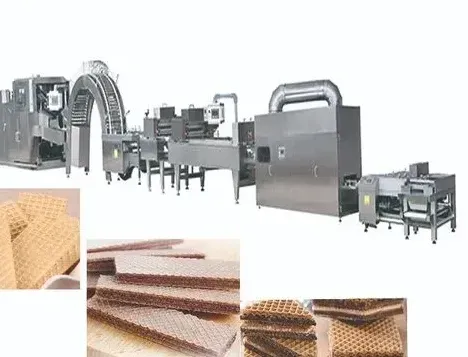
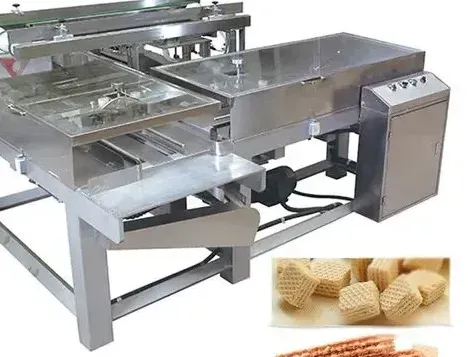
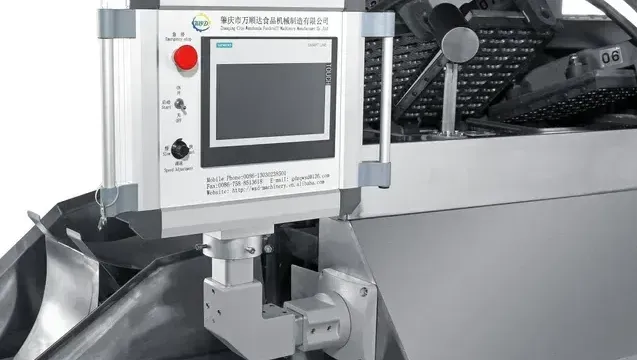
Sample output from the Industrial Wafer Baking Line. Ask us for real production photos matched to your exact product and capacity.
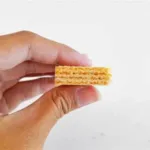

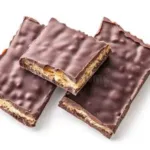
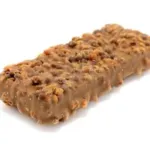
Wafer baking line: batter dosing, baking plates and sheet conveying for flat hollow wafer production at industrial rate.
| Model | Baking plates | Heating | Voltage |
|---|---|---|---|
| WAF-101 | 27 moulds | Electric / gas / diesel | 380 V |
| WAF-701 | 45 moulds | Electric / gas / diesel | 380 V |
| WAF-201 | 75 moulds | Electric / gas / diesel | 380 V |
Biscuit plants baking wafer sheets for bars, cream sandwiches and cones. For the full range, see the confectionery hub.
Wafer quality lives in the baking plates: clean plates release clean sheets with uniform color, and dirty plates show up as sticking and pale patches. The routine is a monthly plate clean and a quarterly cream spreader service. Batter recipe and plate temperature together set sheet weight, so both are locked into the stored recipe.
Anywhere from 2 to 9 layers, set per recipe. Layer count follows the product: light snack fingers sit at 3 to 5 layers, indulgent bars run thicker with more cream ratio. The spreader is programmable, so cream flavor and coverage are recipe parameters, and the stacker builds whatever count the recipe calls for.
Chocolate, vanilla, strawberry, hazelnut, and lemon are the common set, and the spreader is programmable rather than fixed, so recipes carry coverage and temperature. Cream changeover is a tank and path clean plus a recipe recall. Sequencing similar colors back to back keeps changeover minutes low across the week.
A reciprocating saw cuts the stacked wafer books into fingers and blocks with clean edges. Saw cutting, unlike pressing, leaves the delicate wafer structure intact and produces far less scrap. Blade condition and product temperature are the two watch items, because cooled books cut cleaner than warm ones straight off the line.
Yes, an optional enrober station after cutting coats wafer fingers in tempered chocolate, which is the format premium wafer bars sell in. Specifying it at order time is far cheaper than retrofitting, because it sets line length and the cooling tunnel requirement from day one rather than after the layout is fixed.
Yes. We provide installation and commissioning support, and 12 months of after-sales service, including spare parts help and technical response.

 7 * 24 Support
 Remote Support
 Global Coverage