Industrial Corn Milling Line
Complete corn mill: cleaning → degerming → milling → sieving → packaging.
This site uses cookies for analytics and advertising. Accept them all, decline them all, or choose which ones you allow. Learn more in our privacy policy.

Complete corn mill: cleaning → degerming → milling → sieving → packaging.
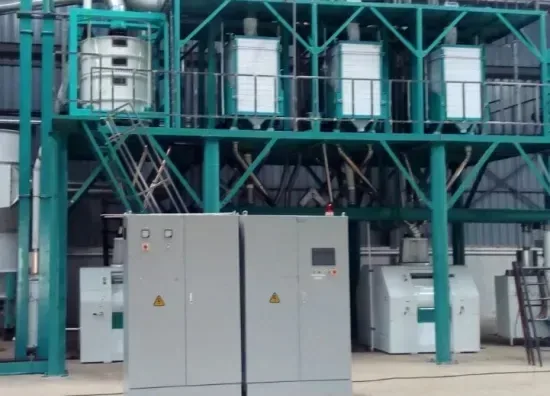
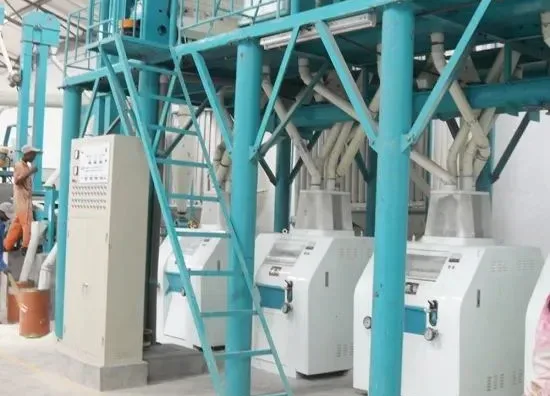
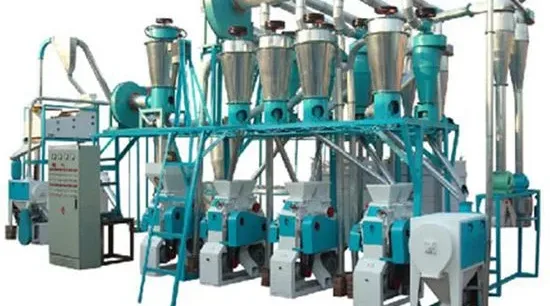
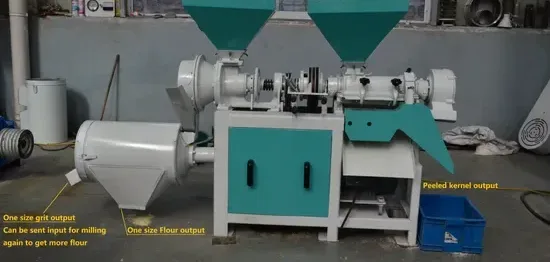
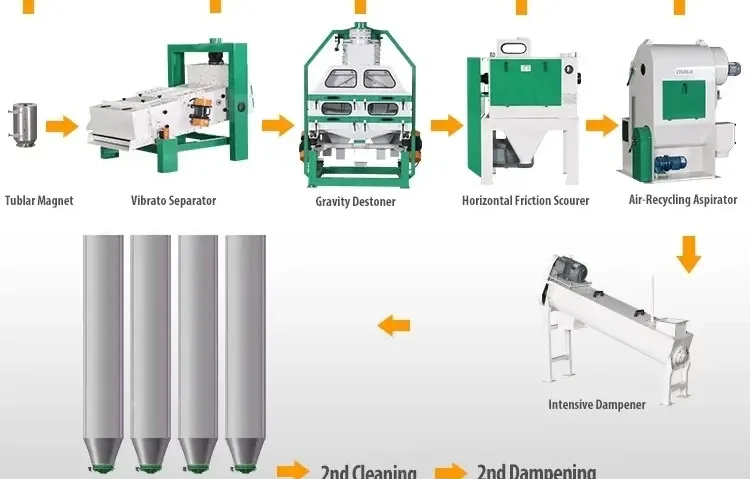
Sample output from the Industrial Corn Milling Line. Ask us for real production photos matched to your exact product and capacity.




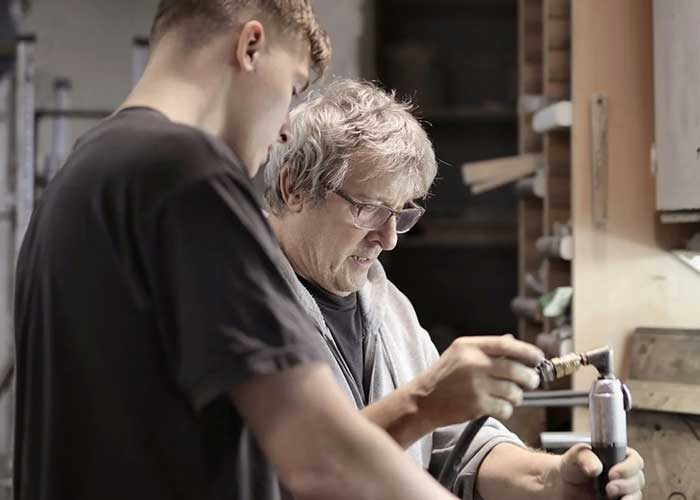
Complete maize/corn flour milling plant: silos, cleaning, dampening, milling and packing in one continuous flow.
| Model | Capacity | Extraction | Structure |
|---|---|---|---|
| CRN-101 | 10 t/d | 70–80% | Steel frame |
| CRN-701 | 100 t/d | 70–80% | Steel frame |
| CRN-201 | 500 t/d | 70–80% | Steel frame |
Maize mills producing grits and flour for food processing. For the full range, see the flour milling hub.
One line produces corn grits, cornmeal, corn flour, and germ as separate streams. Typical yields run 60 to 75 percent grits plus flour, 8 to 12 percent germ for oil extraction, and 10 to 15 percent bran. Because every fraction is sellable, the economics are built on the split, and the split is exactly what we configure the line around.
The germ holds the oil, and oil in stored flour goes rancid. Removing the germ up front gives grits and flour real shelf life and produces germ as a saleable stream for oil extraction. Skipping degerming works only if product is consumed within days, which is rarely the case for a commercial mill selling through distribution.
By sieve cut after milling. Flaking grits run 3-5 mm, brewery grits 1-3 mm, and coarse meal 0.5-1 mm, and the sifting section grades to those bands. Changing target market means changing screens and settings, not machinery, so one line can serve snack, brewery, and tortilla buyers. Quarterly sieve replacement keeps the cuts sharp over years.
Plan 45 to 90 days for installation and commissioning, which includes full training for your operators. By handover your crew runs the line, sets the grit cuts, and performs the routine checks: monthly degermer inspection and quarterly sieve changes. Training during commissioning is deliberately hands-on so daily operation never depends on outside help.
The range runs 10, 50, and 300 tonnes per day. The 10 tonne entry line suits a small processor proving a market; 50 tonnes is the mid-scale workhorse producing grits and flour for regional sale; the 300 tonne plant runs multi-product auto-blending for industrial buyers. Sizing up later means a second line, so buy for the market you can realistically sign.
Yes. We provide installation and commissioning support, and 12 months of after-sales service, including spare parts help and technical response.

 7 * 24 Support
 Remote Support
 Global Coverage