Industrial Grain Cleaner and Destoner
Grain cleaner: removes stones, dust, straw, metal, and foreign matter from wheat/rice/corn before milling.
This site uses cookies for analytics and advertising. Accept them all, decline them all, or choose which ones you allow. Learn more in our privacy policy.

Grain cleaner: removes stones, dust, straw, metal, and foreign matter from wheat/rice/corn before milling.
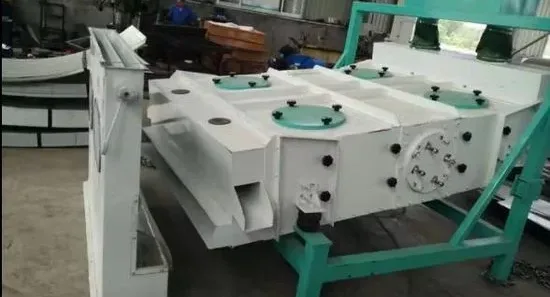
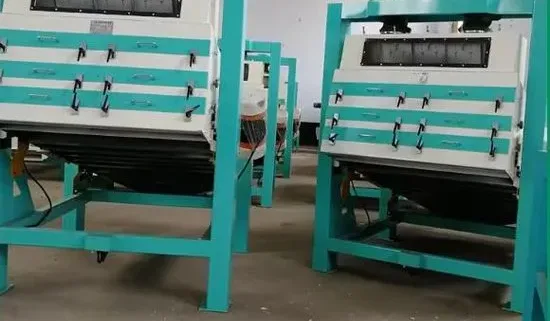
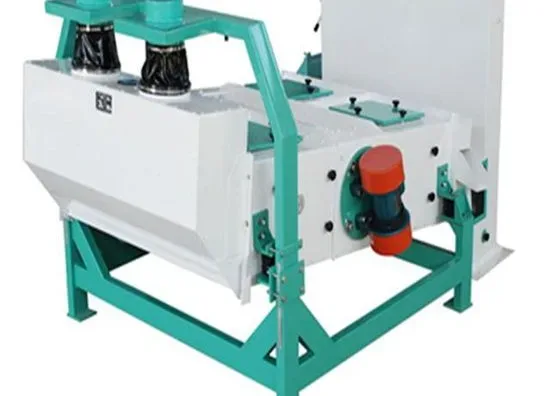
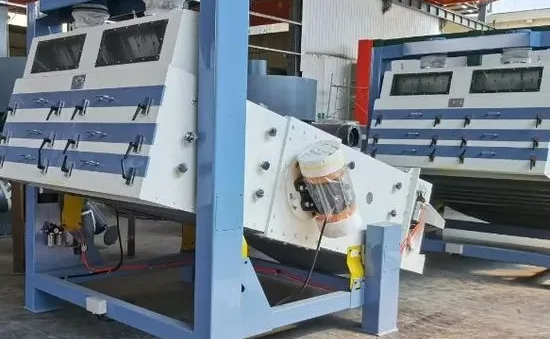
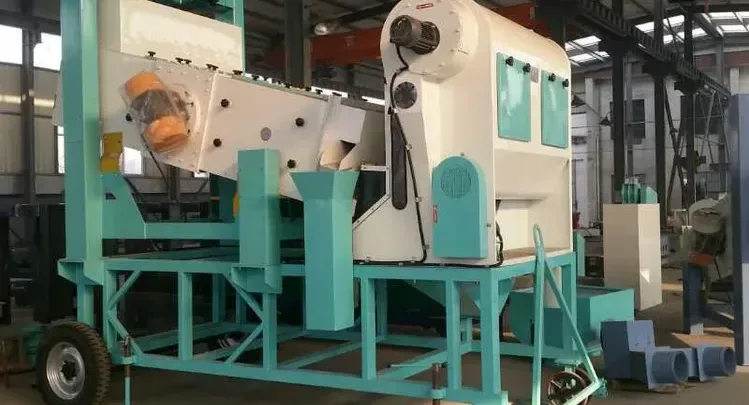
Sample output from the Industrial Grain Cleaner. Ask us for real production photos matched to your exact product and capacity.
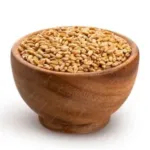
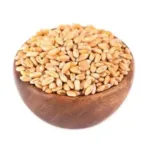
Grain cleaners and destoners removing stones, sand and heavy impurity from rice, wheat, beans and seeds before milling — 99.99% stone removal, with ISO/SGS/TUV-certified gravity-deck heavy-duty builds.
| Model | Capacity | Sieve width | Weight | Notes |
|---|---|---|---|---|
| CLN-101 | 1,000 kg/h | compact screen | 68 kg | 370 W vibrating unit |
| CLN-001 | 2,000 kg/h | compact screen | 105 kg | 750 W vibrating unit |
| CLN-201 | 3,000–22,000 kg/h | 430–2,500 mm | 280 kg (base) | gravity destoner, 980 Pa aspiration, 4–5 mm amplitude |
Grain intake lines cleaning rice, paddy, beans and seeds before milling or storage. For the full range, see the flour & rice milling hub.
The line works in stages: a sieve takes out large debris and straw, the destoner deck removes stones, a magnetic separator pulls ferrous metal, and aspiration strips dust. Removal runs 95 to 99 percent depending on contaminant type, with stones around 99 percent and dust around 98. That is the protection every machine downstream of intake depends on.
By density, on a vibrating deck with upward air flowing through it. The air fluidizes the grain bed so lighter kernels float and travel to the clean-grain discharge, while heavier stones sink onto the deck surface and walk counter to the flow into a stone outlet. No water and no consumables are involved, just correctly tuned air and vibration.
Aspiration air has to go somewhere, so the package connects to a cyclone plus bag filter arrangement that meets normal emission standards. Plan floor space for the dust collection unit and the ducting runs to it. Keeping plant air clean is not cosmetic: it protects operators, keeps dust out of machine bearings, and stands up to inspection.
Yes. Wheat, rice, corn, soy, barley, sorghum, and lentils are all standard duties. What changes between grains is setup, mainly sieve selection, deck angle, and air volume, not hardware. Capacities span 5 to 200 tonnes per hour across the range, so the model is chosen by your heaviest grain and your peak intake rate.
First, ahead of storage or milling, whichever applies. Cleaning grain before the silo keeps stones and metal out of your bins and conveyors; cleaning immediately ahead of the mill catches anything picked up in handling. Many plants run both as two stages. Either way, nothing downstream should ever see uncleaned grain, because rolls and whiteners pay the price.
Yes. We provide installation and commissioning support, and 12 months of after-sales service, including spare parts help and technical response.

 7 * 24 Support
 Remote Support
 Global Coverage