Industrial Plansifter
High-capacity plansifter: sieves milled grain into flour, semolina, and bran fractions.
This site uses cookies for analytics and advertising. Accept them all, decline them all, or choose which ones you allow. Learn more in our privacy policy.

High-capacity plansifter: sieves milled grain into flour, semolina, and bran fractions.
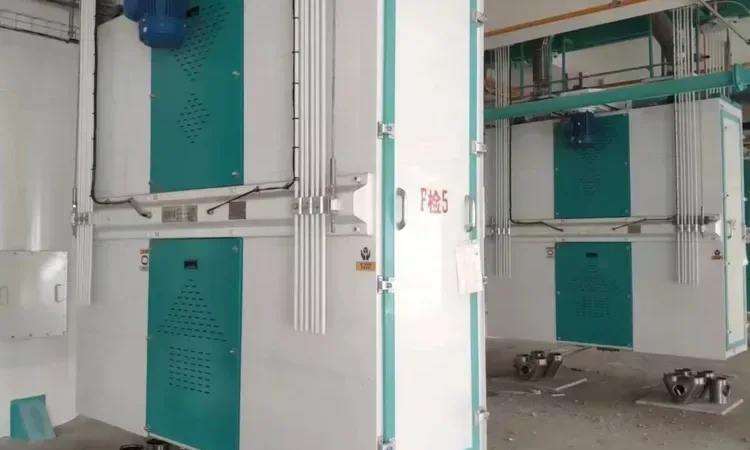
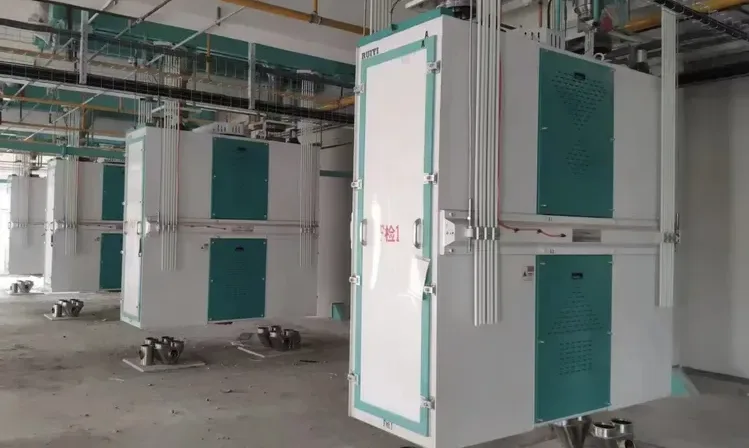
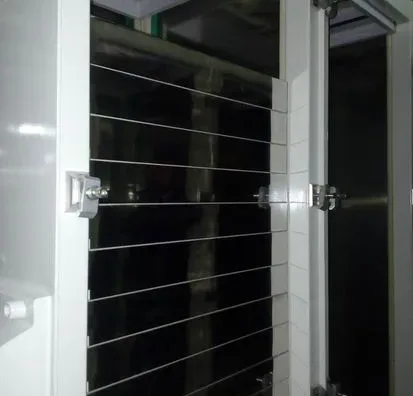


Sample output from the Industrial Plansifter. Ask us for real production photos matched to your exact product and capacity.




Square plansifters grading ground stock into flour, middlings and bran across 8 sieve stacks on a 245 r/min balanced spindle — around 3.7×2.7×2.5 m overall.
| Model | Sieve stacks | Weight | Spindle speed | Motor |
|---|---|---|---|---|
| PLS-101 | 6×640–740 | 4,800 kg | 245 r/min | 7.5 kW |
| PLS-001 | 8×730 | 6,300 kg | 245 r/min | 11 kW |
| PLS-201 | 8×740 | 6,500 kg | 245 r/min | 11 kW |
Wheat and maize mills sifting ground stock into graded streams. For the full range, see the flour & rice milling hub.
Stack decks by target cut, not by guesswork. Mesh runs from about 100 for coarse bran up to 200 for fine flour, and decks stack so each fraction is scalped in order. A typical layout separates flour, semolina, middlings, and bran, with 4 to 12 fractions possible depending on deck count. We lay out the mesh plan against the flour grades you intend to sell.
Sieve frames are built for quick swap: the sifter section opens, frames slide out, and new mesh stacks drop in. Because nylon and stainless frames are interchangeable, a grade change means swapping the affected decks rather than the whole machine. Monthly sieve inspection catches torn mesh early, so a screen change stays a short scheduled job instead of unplanned downtime.
Nylon is the standard food-grade choice: it resists blinding, is gentle on the stock, and costs less to replace. Stainless mesh lasts longer under abrasive stocks such as hard wheat and maize middlings, which is why high-throughput plants often run stainless on the coarse decks and nylon on the fine. Mixed layouts like that are completely normal and cost-effective.
No. The free-swinging circular motion is deliberately gentle; it grades particles by size without re-grinding or crushing them. That preserves the starch damage level set at the roller mill, which matters to bakers expecting consistent water absorption. The same gentle motion helps keep mesh clear, so the machine grades the same in the last hour of a run as in the first.
Every deck carries internal sieve cleaners, rubber balls that bounce under the mesh as the machine swings. They knock flour off the cloth continuously, which stops blinding during long runs of fine stock. Add the monthly sieve inspection and the annual bearing service, and clogging becomes a non-issue in normal operation rather than a daily fight.
Yes. We provide installation and commissioning support, and 12 months of after-sales service, including spare parts help and technical response.

 7 * 24 Support
 Remote Support
 Global Coverage