Industrial Rice Milling Line
Complete rice mill: cleaning → de-stoning → husking → whitening → polishing → grading → packaging.
This site uses cookies for analytics and advertising. Accept them all, decline them all, or choose which ones you allow. Learn more in our privacy policy.

Complete rice mill: cleaning → de-stoning → husking → whitening → polishing → grading → packaging.
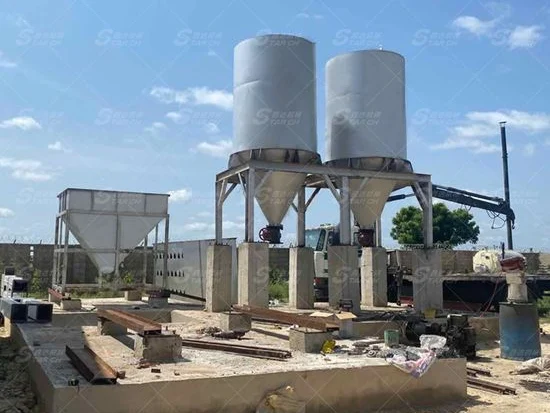
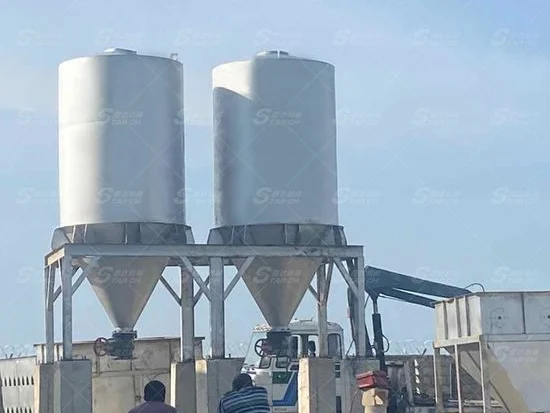
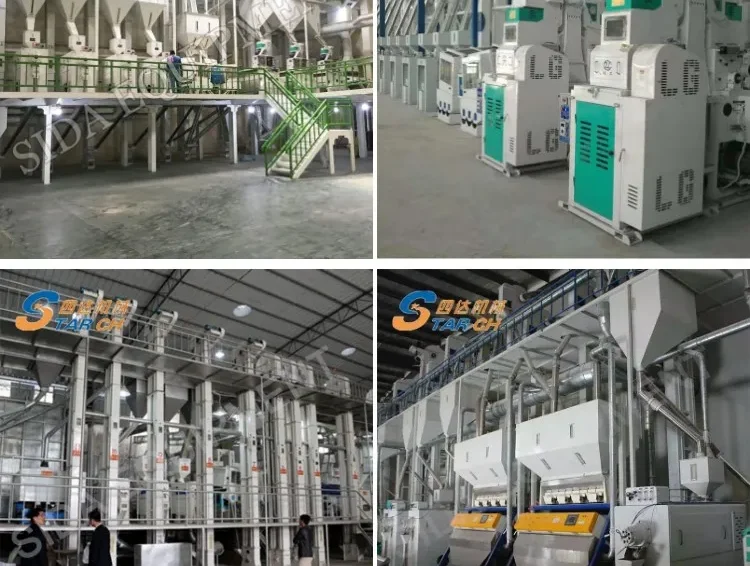
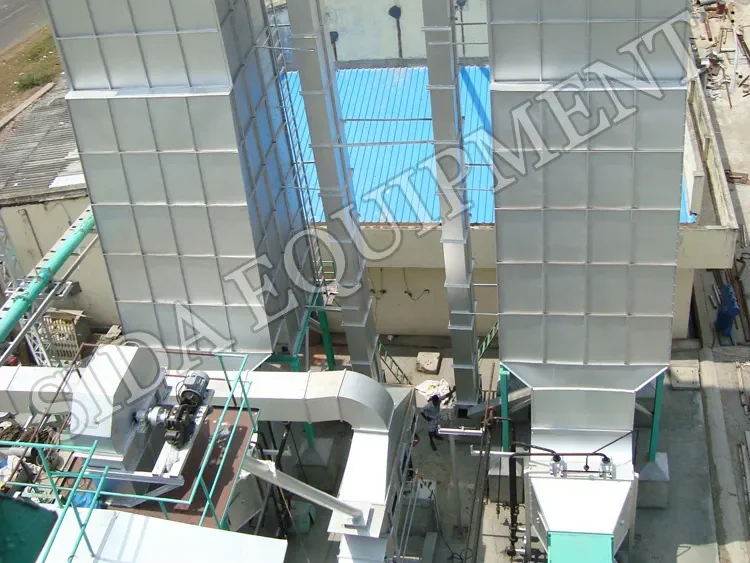
Sample output from the Industrial Rice Milling Line. Ask us for real production photos matched to your exact product and capacity.
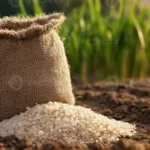
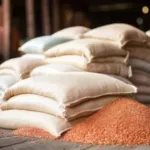
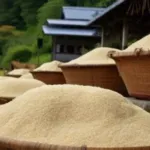


Complete rice milling plants take paddy from cleaner and husker through whitening, polishing and grading to packed white rice.
| Model | Capacity | Power | Extraction | Layout |
|---|---|---|---|---|
| RIC-101 | 5-10 t/day | 15-24 kW | 68-72% | Compact combined line |
| RIC-701 | 30-150 t/day | 60-106 kW | 70-73% | Complete plant, PLC |
| RIC-201 | 200-300 t/day | 150-300 kW | 72-75% | Turnkey with silos/dryer |
Rice processors and millers building or upgrading paddy-to-rice lines.
Plan on 60 to 68 percent head rice, with the exact figure set by paddy variety, moisture at harvest, and mill setup. Head rice is the premium product, so every percentage point is margin: fewer brokens means more profit per tonne of paddy. We tune the line around your dominant variety so the plan is built on your grain, not an average.
Each pass removes a thin layer of bran from the brown rice. One aggressive pass generates heat and cracks kernels, and cracked kernels become brokens at grading. Two to four gentle passes strip the bran fully while protecting the grain. Monthly stone wheel inspection catches abrasive wear before it raises broken content, and quarterly sieve changes keep grading honest.
The final pass polishes with a water mist plus friction, leaving the glossy, uniform surface that markets pay for. It removes residual bran dust, which also extends shelf life because bran is where rancidity starts. It is the difference between commodity white rice and rice that looks graded and consistent on the retail shelf.
Very much so. Husk runs about 20 percent of paddy and works as fuel or fodder; bran is around 8 percent and feeds rice oil extraction; broken rice at 5 to 10 percent goes to brewing and flour. A line that grades these streams cleanly turns by-products into a second income instead of a disposal cost.
Jasmine, basmati, long grain, short grain, and glutinous rice are all standard duties. Long grain needs gentler whitening to protect kernel length; glutinous runs different polishing settings. The line scales from 5 to 200 tonnes per day, and settings are stored per variety, so switching between batches is a recipe recall, not a mechanical rebuild.
Yes. We provide installation and commissioning support, and 12 months of after-sales service, including spare parts help and technical response.

 7 * 24 Support
 Remote Support
 Global Coverage