Industrial Automatic Sorting Machine
The ASM-001 sorts fruits and vegetables by size, weight, and color using optical sensors and roller grading.
This site uses cookies for analytics and to improve your experience. By clicking Accept, you consent to our use of cookies. Learn more in our privacy policy.

The ASM-001 sorts fruits and vegetables by size, weight, and color using optical sensors and roller grading.
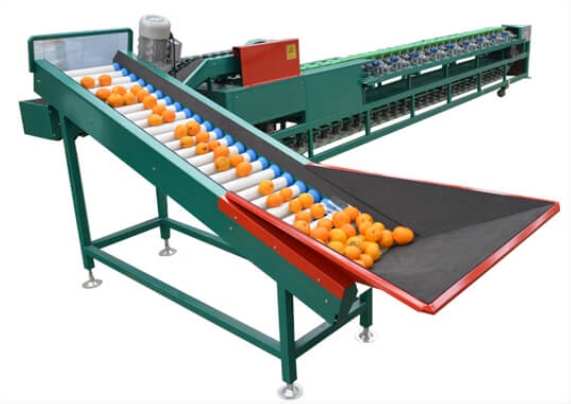
Sample output from the Industrial Automatic Sorting Machine. Ask us for real production photos matched to your exact product and capacity.

The ASM-001 sorts fruits and vegetables by size, weight, and color using optical sensors and roller grading. 1,000-5,000 kg/h. 3-6 size grades with auto-defect rejection.
| Model | Capacity | Configuration |
|---|---|---|
| ASM-101 Compact | 1,000 kg/h | Roller grading, 3 grades. Small farms. |
| ASM-001 Standard | 2,500 kg/h | Roller + optical color. 4 grades. 99% accuracy. |
| ASM-201 Industrial | 5,000 kg/h | Full optical + weight + color. 6 grades + defect removal. |
Typical values — each model is configured to your product, cut size, and line speed.
Grading lines for washed or cut produce ahead of packing — size and weight separation without hand picking. For the full fresh-produce range, see the fruit and vegetable processing hub.
The compact roller grader sorts 1,000 kg/h into three size grades for small farms. The standard adds optical color for four grades at 2,500 kg/h with 99% accuracy, and the industrial combines full optical, weight, and color for six grades with defect removal at 5,000 kg/h. Grade count follows the size categories your market pays for.
Tomatoes, apples, citrus, potatoes, onions, stone fruits, and peppers are the standard list, covering both round and irregular shapes. The roller grading handles size while the optical system reads color and surface defects. If you run an unusual product, send samples or dimensions and we confirm the handling before you order.
99% or better on color and size defects when calibrated. Accuracy holds only as well as the calibration discipline behind it, which is why monthly optical sensor calibration sits in the maintenance plan. Lighting conditions around the line also matter: keep the inspection zone consistent rather than relying on ambient daylight.
The industrial model carries load-cell weight sorting alongside size and color, which matters for products sold by weight class, like export apples or stone fruit. The compact and standard models sort by size only, with optical color on the standard. Weight sorting is an order-time decision since the hardware differs.
On the industrial model, defective items are blown off the line by an air-jet ejector as the optical system flags them, with no stoppage. Maintenance is monthly optical sensor calibration and quarterly roller replacement, both standard technician work. Rollers are the only routine wear parts, so keep a set on the shelf.
Yes. We provide installation and commissioning support, and 12 months of after-sales service, including spare parts help and technical response.

 7 * 24 Support
 Remote Support
 Global Coverage