Industrial Garlic Peeling Machine
The GLP-001 garlic peeling machine removes papery skin from individual cloves using pneumatic air-blade technology — no water, no chemical.
This site uses cookies for analytics and to improve your experience. By clicking Accept, you consent to our use of cookies. Learn more in our privacy policy.

The GLP-001 garlic peeling machine removes papery skin from individual cloves using pneumatic air-blade technology — no water, no chemical.
Sample output from the Industrial Garlic Peeling Machine. Ask us for real production photos matched to your exact product and capacity.
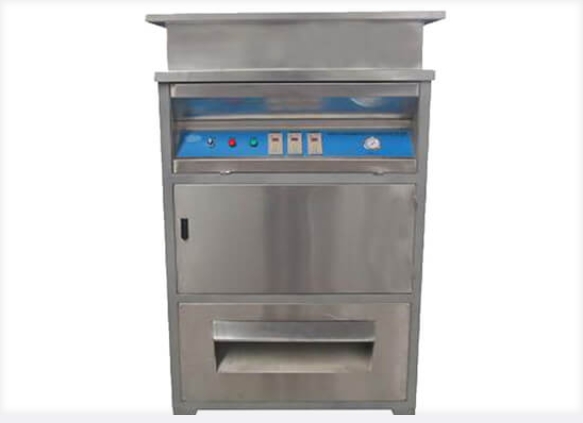
The GLP-001 garlic peeling machine removes papery skin from individual cloves using pneumatic air-blade technology — no water, no chemical. 95-98% peel rate, 200-1,500 kg/h.
| Model | Capacity | Configuration |
|---|---|---|
| GLP-101 Compact | 200 kg/h | Small workshops. 0.55 kW + 0.3 m³/min air. |
| GLP-001 Standard | 500 kg/h | Mid-scale. 1.1 kW. 95-98% peel rate. |
| GLP-201 Industrial | 1,500 kg/h | Industrial. 2.2 kW. Continuous feed hopper. |
Typical values — each model is configured to your product, cut size, and line speed.
Garlic paste and peeled-clove processors, spice plants, and dehydrated garlic producers. For the full fresh-produce range, see the fruit and vegetable processing hub.
The compact workshop unit peels 200 kg/h at 0.55 kW plus 0.3 cubic meters per minute of air. The standard runs 500 kg/h at 1.1 kW with a 95 to 98% peel rate, and the industrial reaches 1,500 kg/h at 2.2 kW with a continuous feed hopper. Size against the downstream packing or processing stage.
The air blade uses no water at all, which eliminates wet effluent and the drying step water methods force on you. Peel rate runs higher too, 98% against about 92% for water-jet, and it works in any climate since humidity never touches the process. Dry skins also collect cleanly for compost or animal feed.
No, feed them dry. Pre-soaking actually lowers the peel rate because swollen skin clings differently to the air blade. If cloves come from cold storage with condensation, let them surface-dry first. This is one case where the intuitive preparation step is exactly backwards, so train operators accordingly.
Compressed air at 0.4 to 0.6 MPa, 0.4 to 1.2 cubic meters per minute depending on model, from an oil-less food-grade compressor. The stainless air blades themselves are long-lived, 3 to 5 years typical, so the running cost is mostly electricity for compressed air. Budget air capacity with the bulb separator if you run both.
Skins are pulled away by the vacuum system into a collection point, clean enough for compost or animal feed rather than a wet waste problem. Onions are a no: the clove geometry this machine is built around does not suit them, so onion lines use the dedicated air-blade onion peeler instead.
Yes. We provide installation and commissioning support, and 12 months of after-sales service, including spare parts help and technical response.

 7 * 24 Support
 Remote Support
 Global Coverage