Industrial Garlic Sorting Line
The GSL-701 sorts garlic cloves by size and quality using roller grading + optical inspection.
This site uses cookies for analytics and to improve your experience. By clicking Accept, you consent to our use of cookies. Learn more in our privacy policy.

The GSL-701 sorts garlic cloves by size and quality using roller grading + optical inspection.
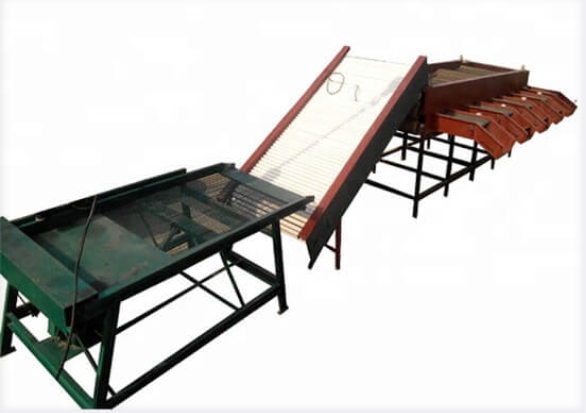
Sample output from the Industrial Garlic Sorting Line. Ask us for real production photos matched to your exact product and capacity.

The GSL-701 sorts garlic cloves by size and quality using roller grading + optical inspection. 500-3,000 kg/h. Removes defective cloves, sorts into 3-5 size grades.
| Model | Capacity | Configuration |
|---|---|---|
| GSL-701 Entry | 500 kg/h | Elevator + roller grader. 3 size grades. |
| GSL-701 Standard | 1,500 kg/h | + optical color sort. 4 grades. 15m line. |
| GSL-701 Industrial | 3,000 kg/h | + auto-defect removal. 5 grades. 25m line. |
Typical values — each model is configured to your product, cut size, and line speed.
Garlic processing plants grading peeled cloves or bulbs by size and color ahead of packing. For the full fresh-produce range, see the fruit and vegetable processing hub.
The entry line sorts 500 kg/h with an elevator and roller grader into three size grades in 8 m. The standard adds optical color sorting for four grades across 15 m at 1,500 kg/h. The industrial line adds automatic defect removal for five grades in 25 m at 3,000 kg/h. Grade count and automation level set the choice.
Optical inspection reads 99.2% on color defects and 98.5% on shape defects. That is accurate enough to run headcount-light on manual sorting, with people checking the margins rather than inspecting every clove. Calibration is what holds those numbers, so the quarterly sensor calibration goes on the maintenance schedule, not the wish list.
On the industrial line an automatic air-jet ejector blows defective cloves off the belt the instant the optical system flags them, with no moving contact and no slowdown. Entry configuration relies on manual removal at the inspection point. Grade by size first, defect second, and the ejectors work on a uniform stream.
Yes. Onion, shallot, and small bulb produce sort on the same roller and optical principle with adjusted settings. Cloves and whole bulbs both run, ahead of packing. If your plant handles multiple bulb crops through one season, the changeover is settings and roller configuration rather than new machinery.
Plan 8 m for the entry line, 15 m for standard, 25 m for industrial, plus operator and crate access. Maintenance is monthly roller inspection and quarterly optical sensor calibration, both routine technician work. Downtime risk is low because the mechanics are simple; the optical system is the part that rewards scheduled care.
Yes. We provide installation and commissioning support, and 12 months of after-sales service, including spare parts help and technical response.

 7 * 24 Support
 Remote Support
 Global Coverage