Industrial Hot Air Fruit and Vegetable Drying Machine
The HAD-001 multi-layer tunnel dryer uses 40-90°C forced hot air to dry fruits, vegetables, herbs, and meats in 4-12 hours.
This site uses cookies for analytics and to improve your experience. By clicking Accept, you consent to our use of cookies. Learn more in our privacy policy.

The HAD-001 multi-layer tunnel dryer uses 40-90°C forced hot air to dry fruits, vegetables, herbs, and meats in 4-12 hours.
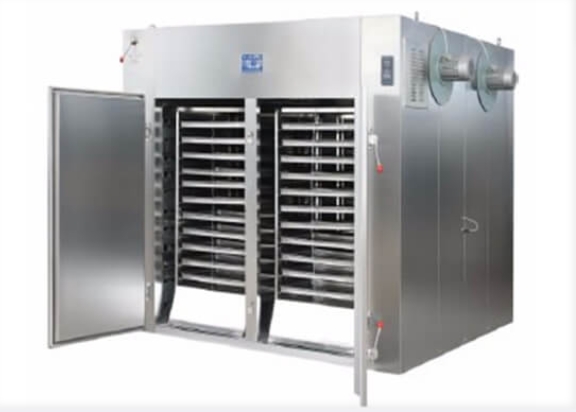
Sample output from the Industrial Hot Air Drying Machine. Ask us for real production photos matched to your exact product and capacity.
The HAD-001 multi-layer tunnel dryer uses 40-90°C forced hot air to dry fruits, vegetables, herbs, and meats in 4-12 hours. 5-layer conveyor design with independent temperature zones — gentle on heat-sensitive products.
| Model | Capacity | Configuration |
|---|---|---|
| HAD-101 Cabinet | 100 kg/h | Batch cabinet with 24 trays. Electric 12 kW. Small farms. |
| HAD-001 Standard | 500 kg/h | 5-layer tunnel. Electric + steam 35 kW. 1000mm belt. |
| HAD-201 Industrial | 1,000 kg/h | 5-zone tunnel. Steam 80 kW. 1400mm belt. Onion flakes, dried tomato. |
Typical values — each model is configured to your product, cut size, and line speed.
Dehydrated vegetable and fruit producers drying slices, cubes, and flakes at batch or continuous scale. For the full fresh-produce range, see the fruit and vegetable processing hub.
The batch cabinet with 24 trays handles around 100 kg/h on 12 kW electric, suited to small farms and premium herbs. The standard five-layer tunnel runs 500 kg/h at 35 kW electric plus steam, and the industrial five-zone tunnel reaches 1,000 kg/h at 80 kW steam with a 1400 mm belt for commodity items like onion flakes and dried tomato. Volume and product value decide it.
Electric is standard and simplest. Steam is typically the cheapest per kilo where a boiler already exists, which is why the industrial tunnel is steam heated. Gas suits remote locations without heavy power infrastructure, and heat pump is the most efficient option for low-temperature work. Drying air runs 40 to 90 degrees C with independent temperature zones for heat-sensitive products.
Tunnel dryers hold plus or minus 1.5% moisture variation, and cabinets run plus or minus 3%. In the cabinet, rotate trays halfway through the cycle, since top and bottom trays dry faster than the middle. Keep loading consistent so airflow patterns repeat batch to batch. The multi-layer conveyor turns product automatically, which is why tunnels beat cabinets on uniformity at volume.
Pre-treatment is the answer, not dryer settings. A sulfur treatment at 2000 ppm SO2 or a 1% ascorbic acid dip before drying locks in color for premium fruit. For products where oxidation still hurts quality, the closed-loop heat pump dryer runs 30 to 50 degrees C with no oxidation at all. Standard hot air handles slices, cubes, and flakes in 4 to 12 hours.
The moist exhaust vents outside the building. The optional heat recovery unit captures 60 to 70% of the exhaust heat and returns it to the intake air, which cuts energy cost noticeably on long drying cycles. Ducting to atmosphere is part of the utility plan, so confirm the wall or roof penetration with your building team before installation.
Yes. We provide installation and commissioning support, and 12 months of after-sales service, including spare parts help and technical response.

 7 * 24 Support
 Remote Support
 Global Coverage