Industrial Honey Filtration System
Honey filtration: removes wax, bee parts, and impurities from raw honey.
This site uses cookies for analytics and advertising. Accept them all, decline them all, or choose which ones you allow. Learn more in our privacy policy.

Honey filtration: removes wax, bee parts, and impurities from raw honey.
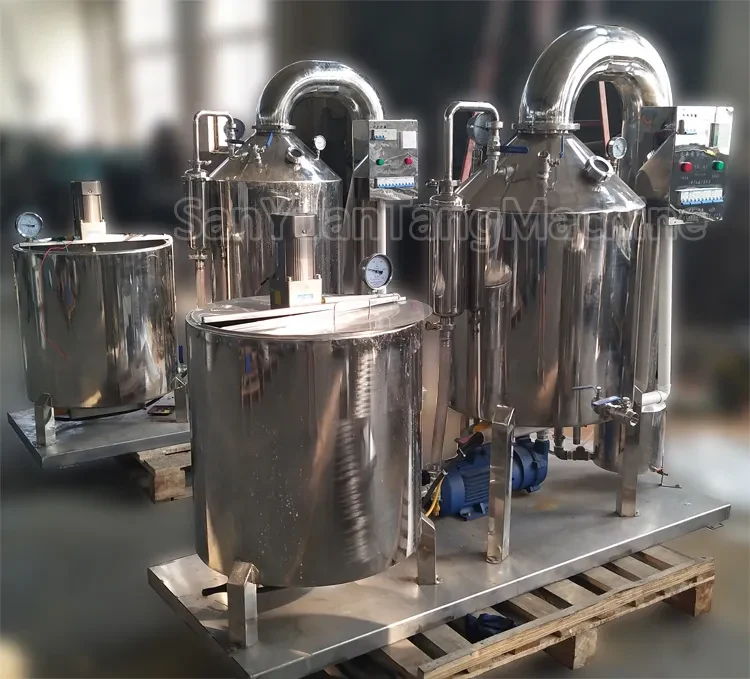
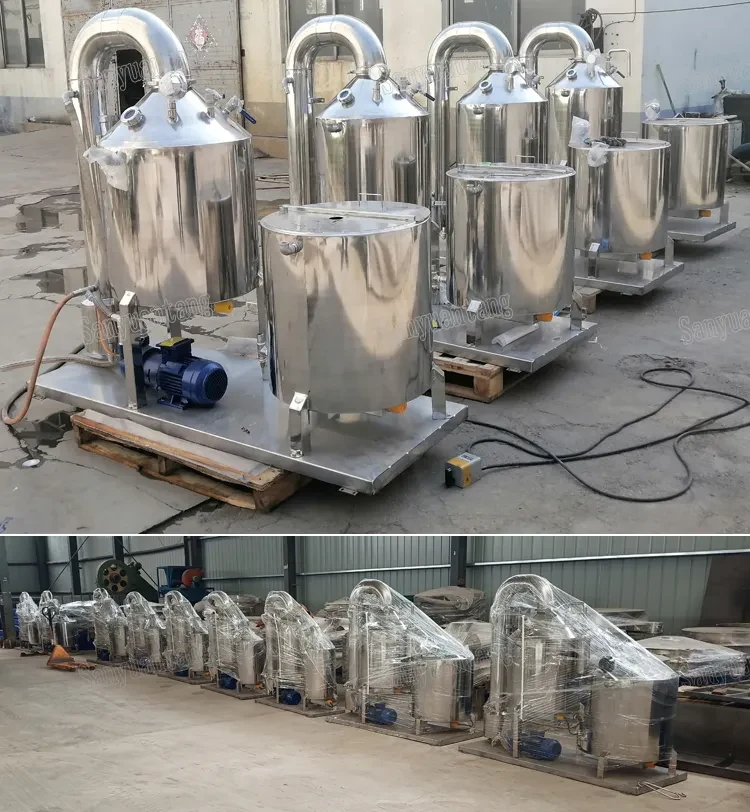
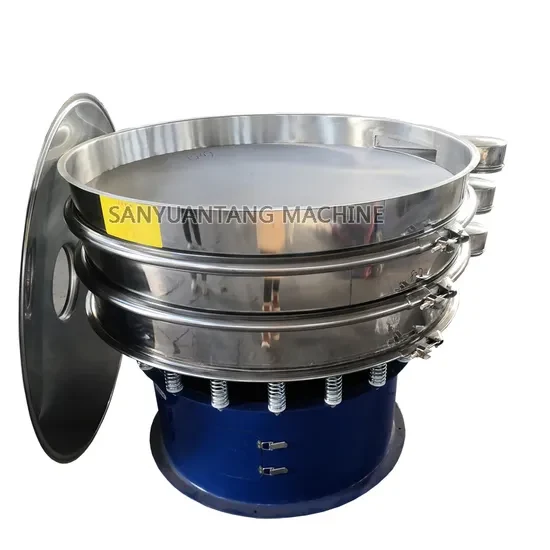
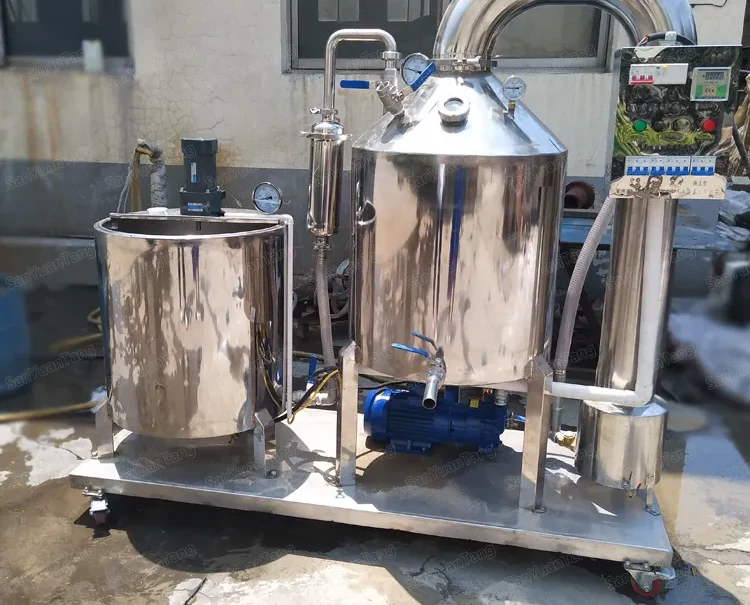
Sample output from the Industrial Honey Filtration System. Ask us for real production photos matched to your exact product and capacity.
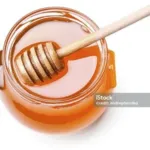

Honey filtration lines strain wax and debris through vibrating sieves with optional vacuum concentrating — 600–3,000 kg/day at low temperature.
| Model | Capacity | Stages | Power | Dimension (mm) |
|---|---|---|---|---|
| HFL-101 | 600 kg/day | Vibrating sieve | 1.5 kW | 600x600x900 |
| HFL-701 | 1,500 kg/day | Vacuum concentrate + filter | 6 kW, 380 V | 1880x780x1720 |
| HFL-201 | 3,000 kg/day | Multi-stage sieve battery | 12 kW, 380 V | 2,400x900x1,800 |
Honey processors clarifying raw honey before blending and filling.
Let the label decide. Raw honey takes coarse screening only, a 1 mm stage that catches wax and bee parts while retaining pollen. Premium clear retail honey takes the full train: 1 mm coarse, 0.2 mm fine mesh, then diatomaceous earth polishing at 0.05 mm for sparkle. Both programs run on the same system with stages valved in or out.
Sizing is kilograms per hour: 100 for the single-stage strainer aimed at small producers, 500 for the 3-stage machine with DE filter at mid-scale, and 1,000 for the industrial full-clarification line. Take your packing season’s daily volume and divide by realistic running hours, remembering that heated honey filters faster than cold, and buy against that number.
Warm honey flows, cold honey barely does. Heat to 35-40°C before filtering for practical throughput, and hold the line under 45°C to preserve enzymes, which is the ceiling most raw-adjacent specifications care about. The filtration system itself is the same either way, but your heating and holding tanks upstream need to hit that window.
DE is a filter aid that strips ultra-fine particles and pollen, producing sparkling clear honey that reads as premium on shelf. Upkeep is real but bounded: mesh screens clean weekly, and the DE filter element replaces monthly under normal use. Budget DE medium as a running consumable alongside your jars and labels.
No. Comb and cappings must be separated in an extractor first, because this system filters liquid honey only. The normal flow is extraction, settling of gross wax, then this filtration train ahead of bottling. Positioning it between your extracting room and the filling line is the standard layout, and the stages connect in sequence.
Yes. We provide installation and commissioning support, and 12 months of after-sales service, including spare parts help and technical response.

 7 * 24 Support
 Remote Support
 Global Coverage