Industrial Cashew Sorting Machine
The CSM-001 specialized optical sorter for cashews — detects and removes defective, discolored, and broken cashews at 300-1,200 kg/h.
This site uses cookies for analytics and to improve your experience. By clicking Accept, you consent to our use of cookies. Learn more in our privacy policy.

The CSM-001 specialized optical sorter for cashews — detects and removes defective, discolored, and broken cashews at 300-1,200 kg/h.
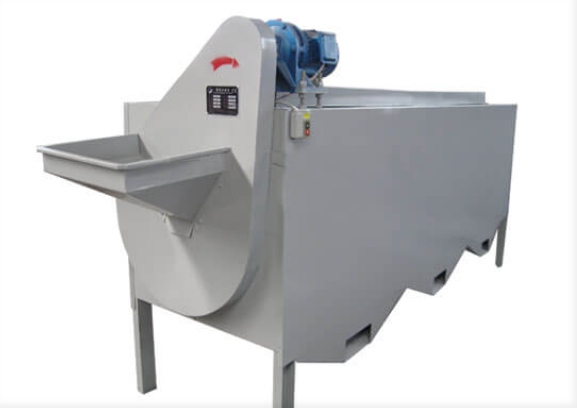
Sample output from the Industrial Cashew Sorting Machine. Ask us for real production photos matched to your exact product and capacity.

The CSM-001 specialized optical sorter for cashews — detects and removes defective, discolored, and broken cashews at 300-1,200 kg/h. Calibrated for cashew-specific color spectrum.
| Model | Capacity | Configuration |
|---|---|---|
| CSM-101 | 300 kg/h | Small cashew processors. Single camera. |
| CSM-001 | 600 kg/h | Mid-scale. Dual camera. Cashew-optimized spectrum. |
| CSM-201 | 1,200 kg/h | Industrial. Quad camera + size grading. |
Typical values — each model is configured to your product, cut size, and line speed.
Cashew processors grading kernels by size and color for export lots. For the full range, see the processing hub.
Cashew color is the issue. Kernels are graded in their natural white and cream tones, so a camera calibrated for peanut or almond browns misreads the palette and either over-rejects good kernels or passes blemished ones. Here the optics are calibrated for the cashew spectrum and its specific defects, spots and surface blemishes included, which is what makes the grades hold.
Yes, on the CSM-201, which adds size grading alongside color sorting, so export lots come off the machine already split into W-class grades rather than needing a separate sizing pass. The smaller models sort color and defect only. If your business is export lots by grade, the combined model usually saves its premium against a separate grader and the double handling.
Discoloration, spots, broken pieces, shriveled kernels, shell fragments, and general foreign material. Accuracy is 99.5% on color defects and 98% on shape and size issues. Shell fragments matter commercially for cashews, since shell bits carry an irritant oil that makes them a rejection and safety issue, not just a cosmetic one. The sorter treats them as a priority defect class.
The range spans 300, 600, and 1,200 kg/h in single, dual, and quad camera configurations. Size the sorter to the peeling and grading output feeding it, with headroom for days when kernel quality dips and rejection rates rise, since rejected volume passes through without being packed. The air-jet ejectors respond in under a millisecond, so speed itself is never the constraint.
Clean the optical glass daily, because cashew dust and oil film on the glass shift the color baseline the cameras judge against. Monthly camera calibration keeps the 99.5% color figure honest across seasons. Beyond that, keep the feed vibrators clear of kernel debris. The daily wipe takes minutes and is the single highest-value routine on the machine.
Yes. We provide installation and commissioning support, and 12 months of after-sales service, including spare parts help and technical response.

 7 * 24 Support
 Remote Support
 Global Coverage