Industrial Peanut Powder Grinding Machine
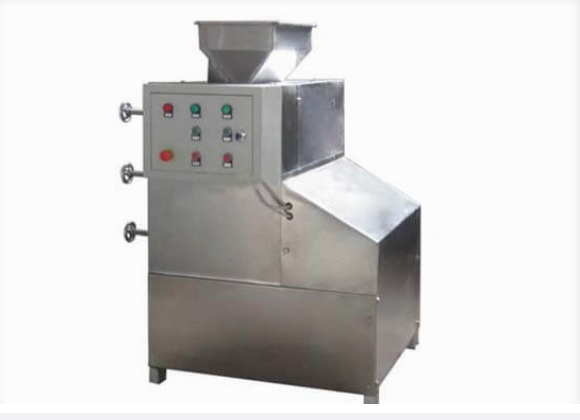
The PPG-001 colloid mill grinds roasted peanuts into fine powder or paste (50-100 microns) at 100-500 kg/h.
This site uses cookies for analytics and to improve your experience. By clicking Accept, you consent to our use of cookies. Learn more in our privacy policy.

The PPG-001 colloid mill grinds roasted peanuts into fine powder or paste (50-100 microns) at 100-500 kg/h.
Sample output from the Industrial Peanut Powder Grinding Machine. Ask us for real production photos matched to your exact product and capacity.
The PPG-001 colloid mill grinds roasted peanuts into fine powder or paste (50-100 microns) at 100-500 kg/h. For peanut butter, peanut powder, and flour production.
| Model | Capacity | Configuration |
|---|---|---|
| PPG-101 | 100 kg/h | Small peanut butter operations. 2.2 kW. |
| PPG-001 | 300 kg/h | Mid-scale. 5.5 kW. 50-micron final texture. |
| PPG-201 | 500 kg/h | Industrial. 7.5 kW. Continuous paste production. |
Typical values — each model is configured to your product, cut size, and line speed.
Peanut powder and bakery ingredient makers grinding roasted kernels to a fine flour. For the full range, see the processing hub.
The colloid mill range spans 100, 300, and 500 kg/h with drives from 2.2 to 7.5 kW. A small butter operation starts at 100 kg/h; continuous paste production at plant scale uses the 500 kg/h model. Note that final fineness affects real throughput, because a tighter 50-micron setting mills slower than a coarser cut. We confirm the honest figure against your target texture.
Yes, both come off the same colloid mill; the difference is feed and finishing. For butter, roasted kernels pass through to a 50 to 100 micron paste and you add oil or stabilizer for a spreadable texture. For powder and flour, the same grind runs without oil additions. The adjustable gap between settings is what makes the switch possible.
Yes, roast at around 160°C first. Raw peanuts grind into a paste that tastes bitter and pale, and the roast is also what releases the oil that makes butter flow. If you buy roasted kernels, check they were roasted consistently, because uneven roast shows up directly as uneven color and flavor in the paste. The mill itself expects roasted feed as standard.
The mill is fitted with a water jacket that holds temperature rise under about 15°C during grinding. Connect chilled water before starting a run, because hot paste thins, separates, and shortens shelf life. If you grind in very long continuous sessions, monitoring outlet paste temperature tells you immediately whether the jacket supply is keeping up with the duty.
The milling head detaches and the machine runs a roughly 10-minute CIP cycle, which matters most when you switch between peanut, almond, and cashew for allergen control. Because the head comes off, you can also inspect the grinding surfaces during the changeover. Daily cleaning after butter runs prevents paste from setting hard in the gap and affecting the next batch.
Yes. We provide installation and commissioning support, and 12 months of after-sales service, including spare parts help and technical response.

 7 * 24 Support
 Remote Support
 Global Coverage