Industrial Belt Conveyor
Food-grade belt conveyor: transports product between machines.
This site uses cookies for analytics and advertising. Accept them all, decline them all, or choose which ones you allow. Learn more in our privacy policy.

Food-grade belt conveyor: transports product between machines.
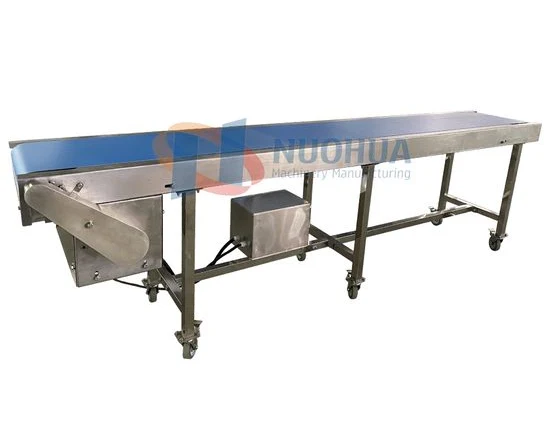
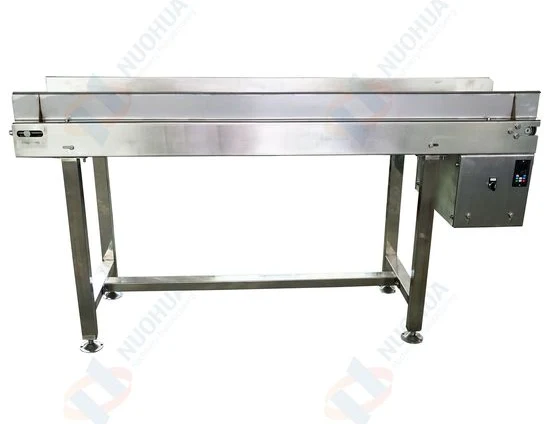
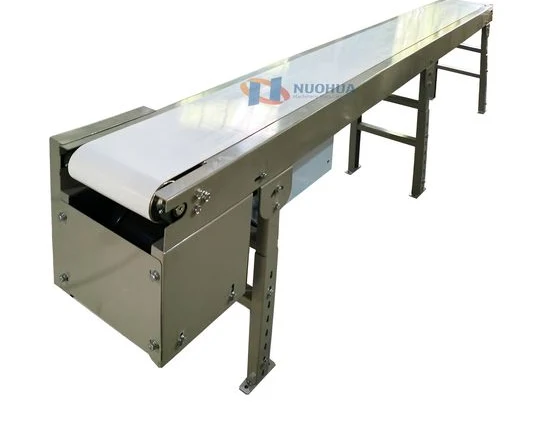
Sample output from the Industrial Belt Conveyor. Ask us for real production photos matched to your exact product and capacity.
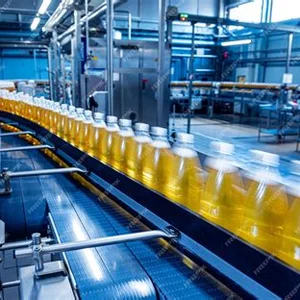
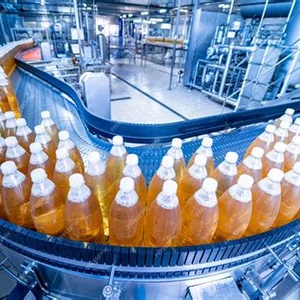
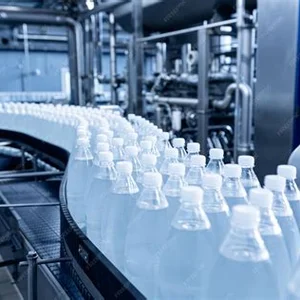
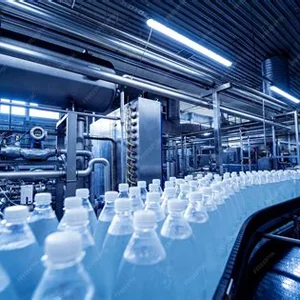
Belt conveyors move packs, trays and product between machines on food-grade PU belts, 200-1000 mm wide, at speeds up to 15 m/min.
| Model | Belt width | Speed | Power | Voltage | Weight | Dimensions |
|---|---|---|---|---|---|---|
| BCV-101 | 200 mm PU belt | 0.5-3 m/min | 0.12 kW | 220V | 120 kg | 1000 x 500 x 700-900 mm |
| BCV-701 | 400 mm PU belt | 1-10 m/min | 0.4 kW | 220/380V | 210 kg | 2000 x 700 x 900-1200 mm |
| BCV-201 | 600-1000 mm belt | 1-15 m/min | 0.75-2.2 kW | 380V | 380-650 kg | 3000-6000 x 900-1300 x 900 mm |
Any processing or packing line linking machines into a continuous flow.
Start from the tonnes per hour you need to move, then work back to belt width and speed. The range spans 1 to 50 t/h across the model line, with belt widths from 100 to 1,200mm. A variable frequency drive lets you trim speed between 0.1 and 2 m/s, so a conveyor sized with headroom today can absorb a faster upstream line later. Give us your product and peak rate and we confirm the configuration.
With a cleated belt, plan on angles up to about 30 degrees. Beyond that, pieces roll or spill and a bucket elevator becomes the better tool because it lifts vertically in an enclosed path. If your layout only needs a short rise, cleats or sidewall additions often solve it within the conveyor itself. Send us the elevation difference and the horizontal distance and we will advise which machine fits.
Polyurethane is the standard choice for direct food contact. Modular plastic belts in an open mesh rinse through easily and suit wet, crumb-heavy duty, while silicone belts handle hot product. The conveyor is rated IP65 for washdown, so daily hose-down is part of the design rather than a risk to the drive. Match the belt to your product temperature and cleaning routine and we configure it accordingly.
A variable frequency drive adjusts belt speed across a wide band, so the conveyor can run slow behind a manual station and speed up to match a continuous oven or packaging flow. That flexibility prevents product pile-ups at transfer points and reduces marking on delicate pieces. Speed changes take seconds from the panel, and setpoints are recalled per product, which keeps changeovers short.
Plan a weekly belt clean as the baseline, monthly lubrication of the bearings, and an annual belt replacement in a two-shift operation. Belt tracking is adjusted from the frame without special tooling, and the IP65 rating means washdown does not threaten the drive. Keeping a spare belt on site removes the main downtime risk, because belt wear is the predictable limit on service life.
Yes. We provide installation and commissioning support, and 12 months of after-sales service, including spare parts help and technical response.

 7 * 24 Support
 Remote Support
 Global Coverage