Industrial Spiral Freezer
Spiral freezer: compact vertical design with spiral conveyor inside insulated enclosure.
This site uses cookies for analytics and advertising. Accept them all, decline them all, or choose which ones you allow. Learn more in our privacy policy.

Spiral freezer: compact vertical design with spiral conveyor inside insulated enclosure.
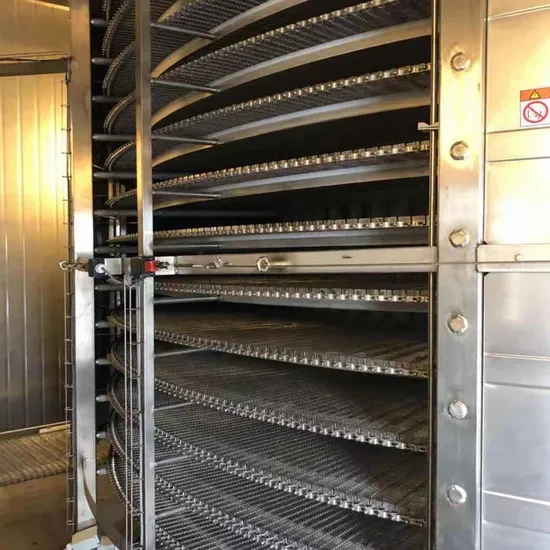
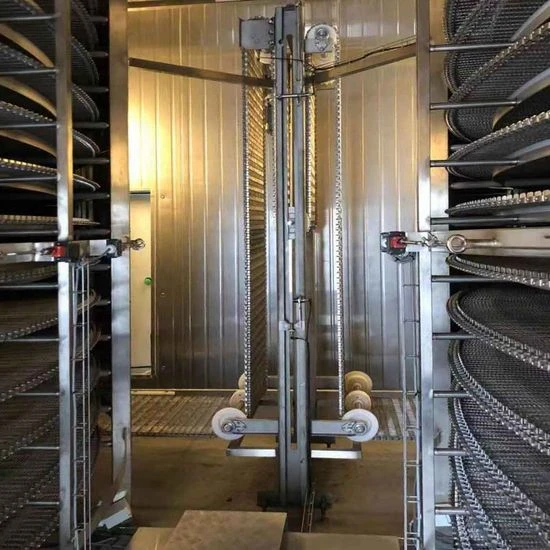
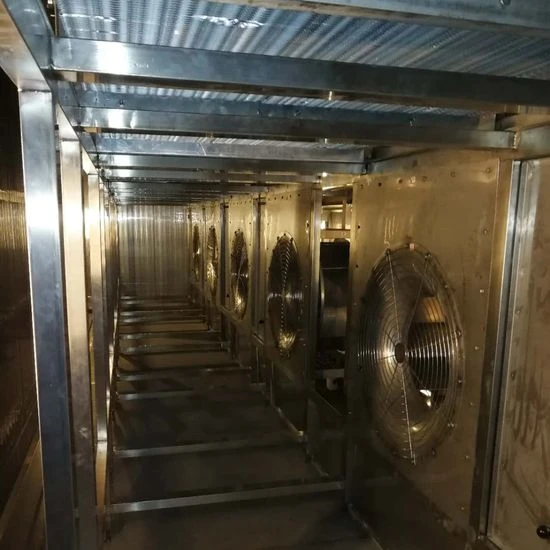
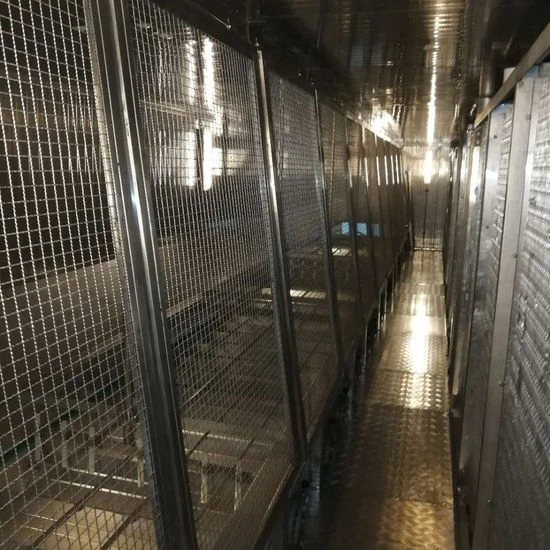
Sample output from the Industrial Spiral Freezer. Ask us for real production photos matched to your exact product and capacity.



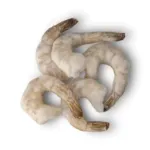
Spiral freezers self-stack the belt around a drum — 300–2,000 kg/h of continuous freezing in a fraction of a tunnel footprint.
| Model | Capacity | Configuration | Power | Belt |
|---|---|---|---|---|
| SPF-101 (DSF-300 source) | 300 kg/h | Single drum, single stack | 12 kW, 380 V | Self-stacking SS |
| SPF-701 (SF300 source) | 1,000 kg/h | Single drum, 2 passes | 38 kW, 380 V | SS / modular |
| SPF-201 | 2,000 kg/h | Double spiral | 75 kW, 380 V | SS / modular |
Seafood, bakery and ready-meal plants needing high capacity in a small footprint.
When floor space is the constraint. The spiral stacks a long belt path vertically inside an insulated enclosure, so you get tunnel-length dwell time on a compact footprint. Tunnels still win on maximum capacity and very long dwell. Typical spiral work covers dough, patties, seafood, prepared meals, and poultry parts at 500 to 5,000 kg/h. If your hall is tight, spiral is usually the answer.
Dwell runs 15 to 60 minutes, adjusted by belt speed against your product’s freezing curve. Dense or thick products take the long end; thin pieces the short end. Because speed is the variable, changing product means recalling a stored setpoint, not mechanical changes. We map the dwell requirement per product during commissioning so the settings are proven before production.
The belt is stainless spiral mesh, self-cleaning by design, and an optional internal CIP spray system washes enclosure and belt without opening panels. That matters on baked and protein products where residue builds. Otherwise washdown is through access doors with the enclosure shaped to drain. Cleaning frequency follows your product mix and allergen changeover policy.
Models span 500 to 5,000 kg/h, from compact single-spiral units to dual-drum industrial machines. Configuration follows product, dwell, and footprint rather than capacity alone: the same tonnage of dough pieces and chicken portions wants different tier counts. We model your products through the spiral and recommend the configuration, then confirm freeze results at commissioning.
Monthly belt tension and a quarterly drum alignment check are the core. A loose spiral belt wears the cage and wanders, and a misaligned drum shows as edge wear long before any failure. Both checks are visual and quick from the service doors, so budget a morning per quarter. Everything else is food-area washdown rather than mechanical work.
Yes. We provide installation and commissioning support, and 12 months of after-sales service, including spare parts help and technical response.

 7 * 24 Support
 Remote Support
 Global Coverage