Industrial Corn Flakes & Breakfast Cereal Line
From corn grits to toasted flakes: cooking, drying, flaking, and toasting in one line — the base process behind corn flakes and breakfast cereal products.
This site uses cookies for analytics and advertising. Accept them all, decline them all, or choose which ones you allow. Learn more in our privacy policy.

From corn grits to toasted flakes: cooking, drying, flaking, and toasting in one line — the base process behind corn flakes and breakfast cereal products.
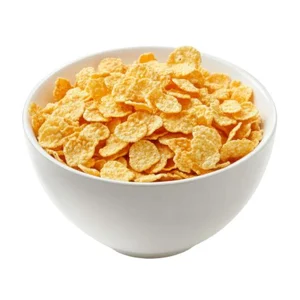
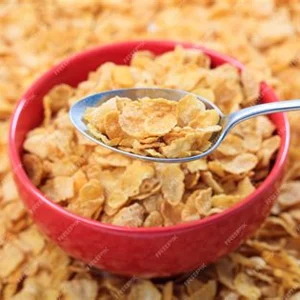
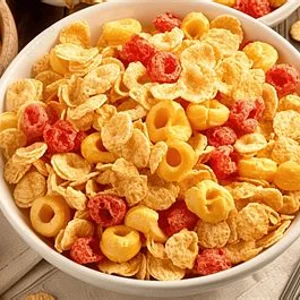
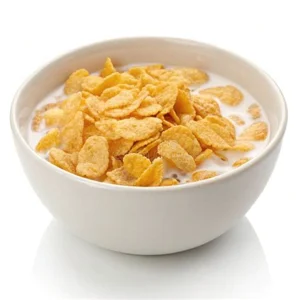
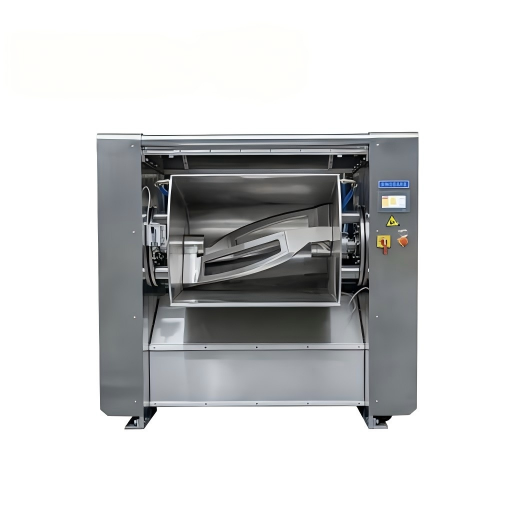
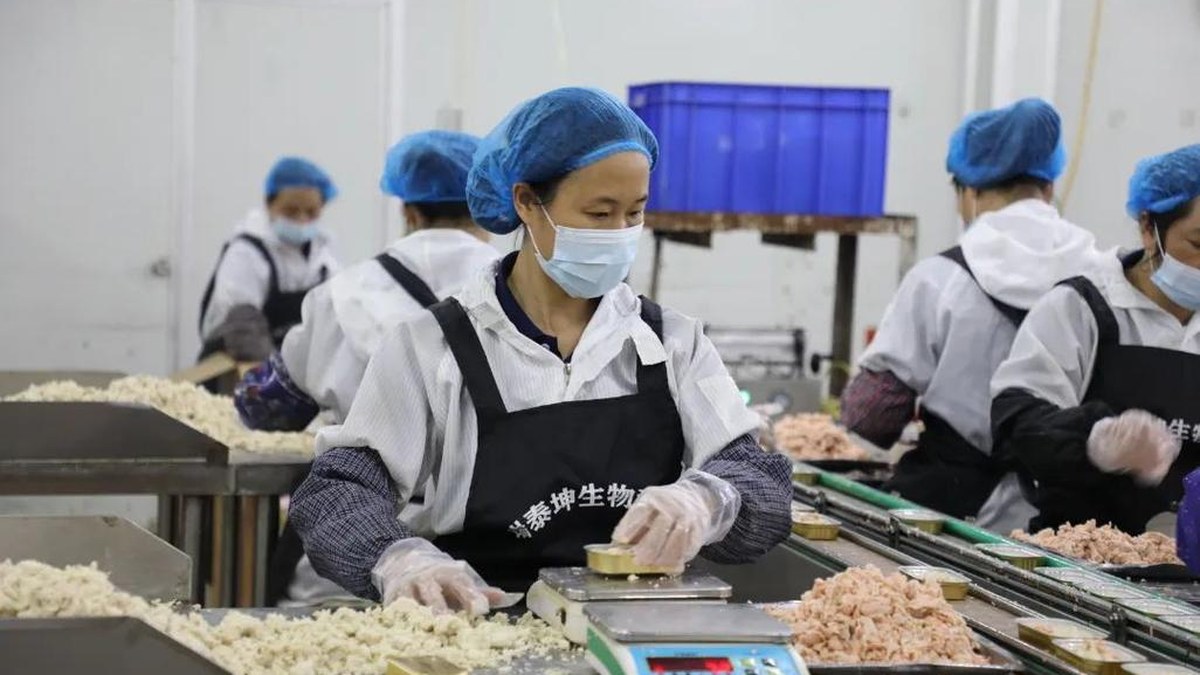
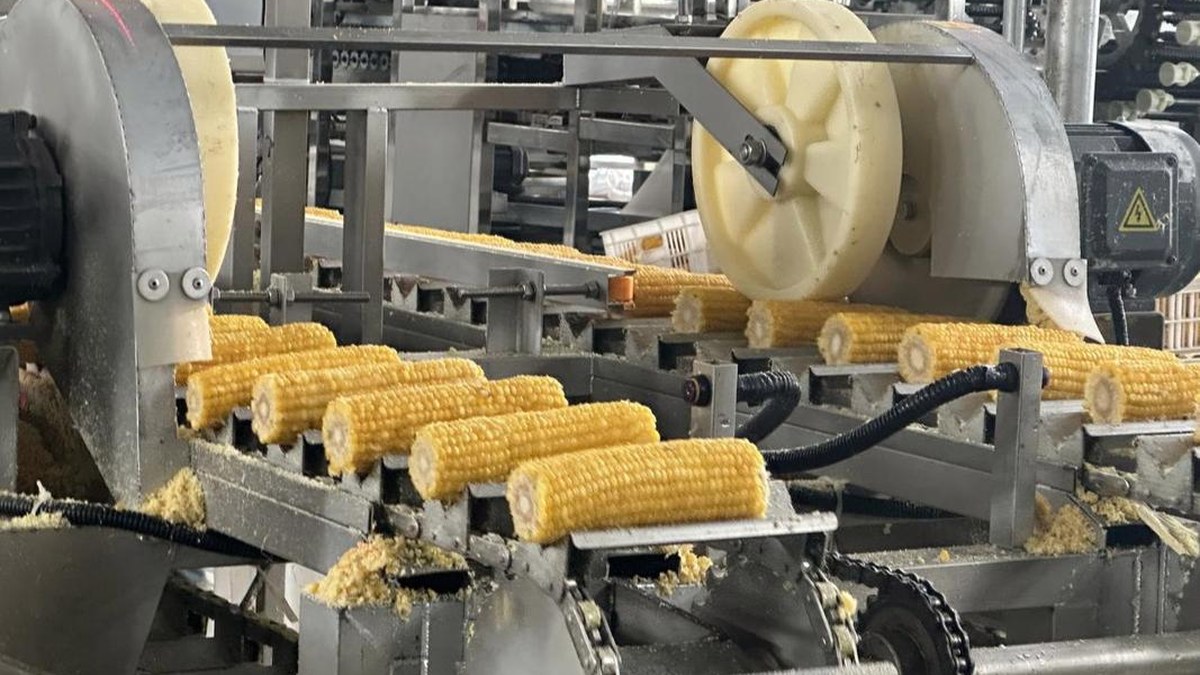
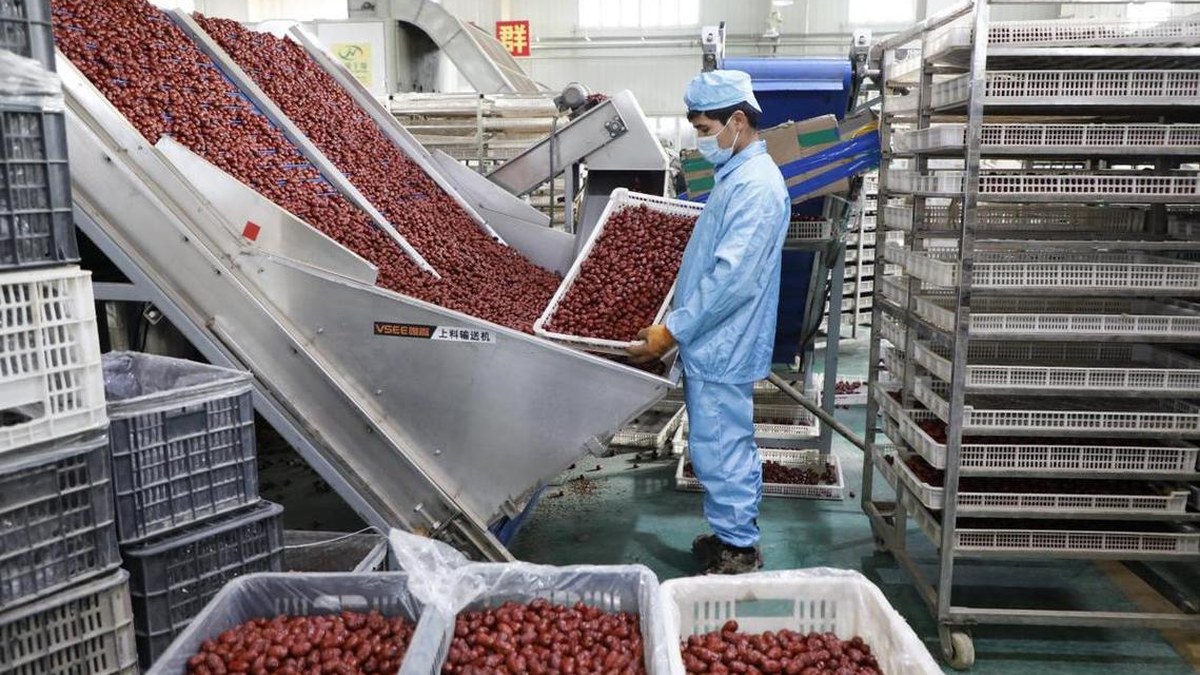
The CFL series produces extruded corn flakes and breakfast cereals from raw grits to packed product: dosing → mixing → preconditioning → twin-screw extrusion → flaking → drying/toasting → (optional) sugar coating → cooling → packing-ready discharge. Configured at 150–500 kg/h finished output, it runs corn, rice, wheat, and multigrain recipes on one line with changeovers measured in minutes.
Two production routes exist in the industry: traditional cooked-rolled flakes (steam cookers, long residence, high capital) and extruded flakes (dry grits in, gelatinized dough out in 60–120 seconds). The CFL series is an extruded-flake line. For most private-label and export programs, extrusion wins on capital cost per kilogram, footprint, and recipe flexibility — the texture is slightly denser than traditional cooked flakes, and we recommend a sample trial so your team judges the bite against your market’s reference. It shares its extrusion platform with our food extruder range and sits alongside the core-filling snack line and snack food production line in the snack machine program.
1. Dosing & mixing. Screw feeders dose grits/flour, water, salt, sugar, and minor ingredients to a continuous pre-mixer. Recipe-driven; vitamin/mineral premix enters here for fortified SKUs (added post-extrusion where heat stability requires).
2. Preconditioning. Steam and water hydrate the mix and pre-gelatinize surface starch before the extruder — this raises throughput and stabilizes the extruder against moisture swings.
3. Twin-screw extrusion. The heart of the line. Screw profiles cook the mass at 120–160°C under pressure; moisture flashes off at the die, giving a puffed or dense pellet depending on the recipe. One extruder covers flakes, rings, balls, and shapes with die and screw changes.
4. Flaking. Hot pellets pass counter-rotating flaking rolls into thin flakes (0.3–0.8 mm typical). Roll gap and temperature set flake thickness — the parameter your bowl-visible quality hangs on.
5. Drying / toasting. Multi-pass conveyors (or a drum toaster) bring flakes to 3–5% moisture and develop toast color and flavor through Maillard browning — the same heat-duty family as our HAD hot-air dryer.
6. Sugar/glaze coating (optional). A coating drum applies syrup or chocolate glaze with hot-air finishing — the difference between plain flakes and retail “frosted/honey” SKUs. See also the fried-foods seasoning machine for savory coating duty.
7. Cooling & discharge. Ambient cooling stabilizes the cereal before it reaches your packing line — plan on our VFFS bagmaker or your existing vertical form-fill-seal equipment at this point.
| Parameter | CFL-701 standard | CFL-701 industrial |
|---|---|---|
| Finished output | 150–250 kg/h | 300–500 kg/h |
| Raw material use | 140–235 kg/h | 280–470 kg/h |
| Extruder | twin-screw, 55–90 kW | twin-screw, 110–160 kW |
| Installed power (line) | 120–180 kW | 220–320 kW |
| Steam demand | 300–600 kg/h | 600–1,200 kg/h |
| Line length | 28–38 m | 40–55 m |
| Operators per shift | 3–4 | 4–6 |
| Floor height required | 4–5 m | 5–6 m |
*(typical range, configurable per recipe and market)*
Corn flakes (plain/frosted) | rice crisps | wheat biscuits | multigrain flakes | cocoa/cereal balls | rings | filled pillow snacks (jam/chocolate — via a co-extrusion die option)
The same line, different dies and moisture curves. Recipe development support is part of commissioning — our food engineer runs your first three recipes with your operators on the floor. Dough-process cousins like the noodle making line share the mixing-and-forming logic; the puffed-snack application overview maps the wider category.
Flakes discharge to a vibratory feeder over your bagmaker. We supply the line’s interface elevation and throughput envelope; the VFFS vertical bagmaker, multi-lane stick packs, or carton lines integrate on standard flanges. Coated SKUs need climate-controlled intermediate holding (sugar coating picks up humidity) — flagged at layout stage, not after.
Texture: extruded flakes are slightly crisper and denser; traditional cooked-rolled flakes are lighter with more cell structure. In blind panels many markets score them equal; premium UK/EU-style muesli buyers may notice. We ship sample flakes from a reference run so you can put the question to your own panel before committing.
Yes — recipe change is screw speed, moisture, and temperature profile, loaded from the HMI. A die change for a different shape is 30–60 minutes. Allergen-group changeovers (e.g., wheat-free runs) need a wet clean: 2–4 hours.
Corn: degermed yellow grits, 2–4 mm, max 1% fat for extrusion stability. Rice: broken rice is standard and economical. Wheat: semolina grades. We provide a raw-material spec sheet per recipe at commissioning.
5–15% pickup typical for frosted/honey SKUs; chocolate glaze lines run higher. Coating percentage is a drum speed, syrup concentration, and air-temperature setting — locked into recipes like everything else.
Steam (boiler sized above), three-phase power to the extruder rating, compressed air, and water. Lines for tropical sites get dehumidified cooling sections so cereal exits at packing-safe humidity year-round.
CFL-701 standard: two to three 40-ft containers. Installation and commissioning with our engineers: 10–15 days including first-product runs and operator training on all three shift patterns.
Die and cutter parts, flaking roll re-grinding (exchange program), conveyor belts, and heater bands. A 12-month kit ships with the line. Flaking rolls are the wear item that decides flake quality — the exchange program keeps a ground pair on your shelf.
CE on the electrical and mechanical package, food-contact material certificates, HACCP-friendly documentation set (process parameters logged by the HMI, exportable), English manuals, and recipe files from commissioning. Third-party inspection on request.

 7 * 24 Support
 Remote Support
 Global Coverage