Industrial noodle making machines produce between 100 kg/h and 3,000 kg/h of finished noodles depending on machine configuration, with medium-scale production lines typically rated at 200-800 kg/h. Production capacity is determined by roller width (150-600 mm), sheet thickness range (0.5-3.0 mm), cutting speed (up to 30 m/min), and the number of processing stages from dough mixing through final cutting. Selecting the correct capacity requires matching the machine throughput to your target daily output, product mix (fresh, dried, instant, or frozen noodles), and available floor space.
TL;DR
- Industrial noodle machines range from 100 kg/h (small-scale) to 3,000 kg/h (fully automated lines), with medium-scale models at 200-800 kg/h.
- Production capacity is determined by roller width (150-600 mm), sheet speed (5-30 m/min), and noodle count per cut (6-24 strands).
- Fresh noodle lines require fewer processing stages than dried or instant noodle lines, affecting both equipment cost and floor space requirements.
- Daily output calculation must account for dough resting time (15-30 minutes), cleaning between product changes (20-40 minutes), and maintenance downtime.
- Matching mixing capacity to sheeting capacity is critical—an undersized mixer creates bottlenecks while an oversized mixer wastes dough through inconsistent batch timing.
Complete Technical Specifications by Capacity Tier
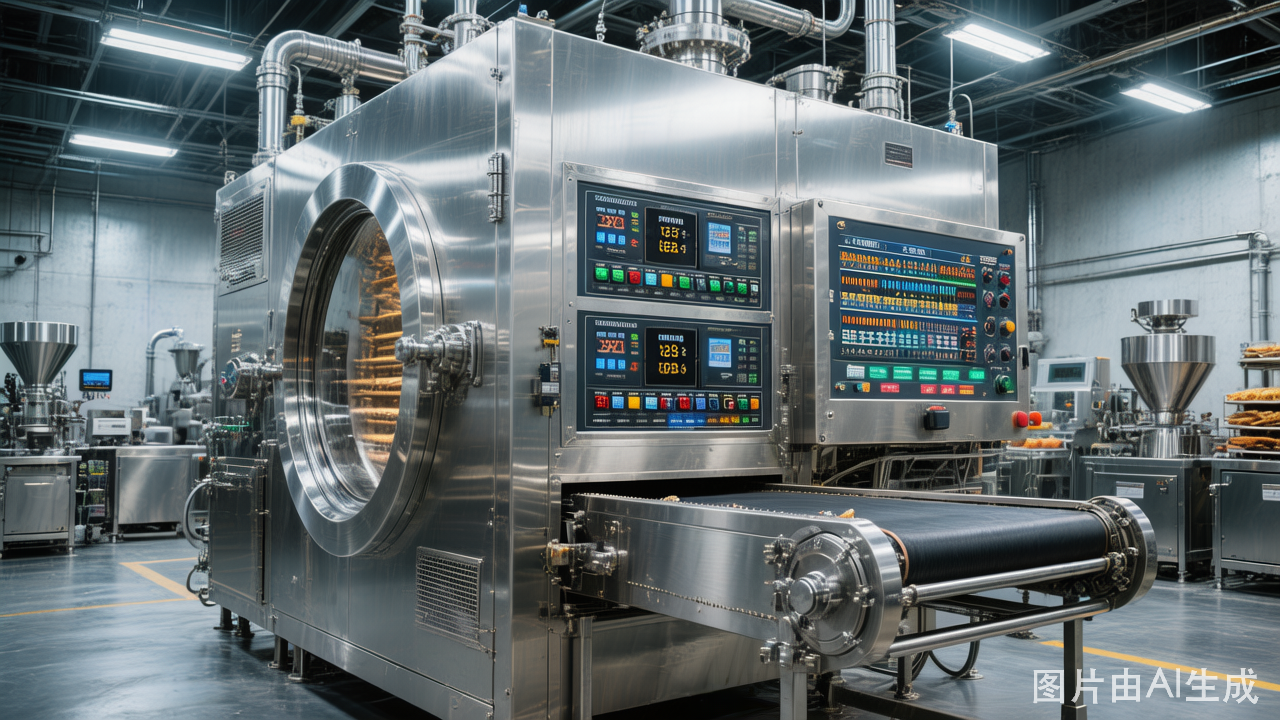
| Parameter | Small Scale (100-200 kg/h) | Medium Scale (200-800 kg/h) | Large Scale (800-3000 kg/h) |
|---|---|---|---|
| Roller width | 150-220 mm | 220-400 mm | 400-600 mm |
| Sheet thickness range | 0.8-2.5 mm | 0.5-3.0 mm | 0.5-3.0 mm |
| Number of roller passes | 4-6 | 6-8 | 8-12 |
| Sheet speed (final pass) | 5-12 m/min | 10-20 m/min | 15-30 m/min |
| Cutting speed | 5-12 m/min | 10-20 m/min | 15-30 m/min |
| Mixer capacity | 25-50 kg/batch | 50-150 kg/batch | 150-500 kg/batch |
| Motor power (total line) | 3-7 kW | 7-25 kW | 25-75 kW |
| Floor space (L x W) | 4 x 2 m | 6-10 x 3 m | 12-25 x 4 m |
| Operators required | 1-2 | 2-3 | 3-5 |
| Approximate machine cost | $5,000-15,000 | $15,000-50,000 | $50,000-200,000 |
Key Features and Technology
Sheeting and Lamination
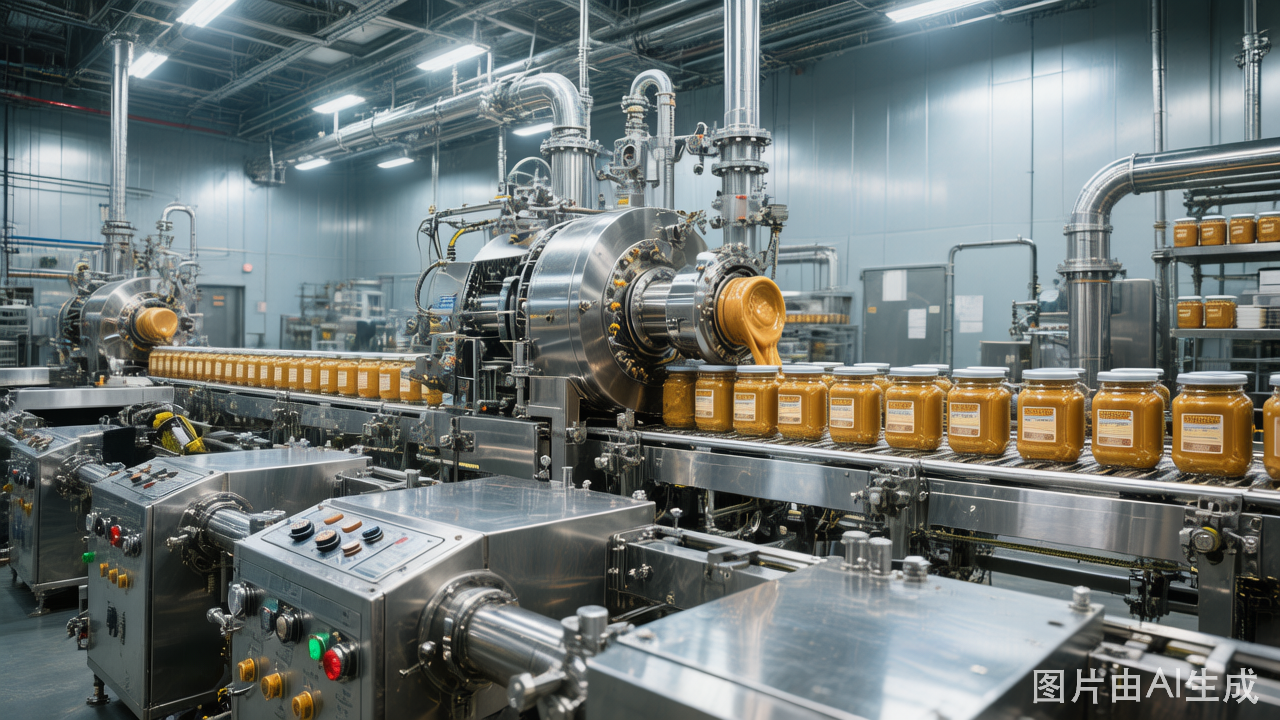
The sheeting process transforms mixed dough into a continuous sheet of uniform thickness through a series of paired rollers with progressively narrower gaps. The first roller pair (compound roller) reduces the dough mass to a rough sheet of 10-15 mm thickness. Subsequent roller pairs reduce thickness incrementally—a typical 8-roll line reduces from 15 mm to 1.0 mm through reductions of approximately 50% per pass. Each reduction aligns the gluten network and develops the chewy texture (al dente quality) that characterizes quality noodles.
Lamination—folding the sheet back onto itself and re-rolling—further develops gluten structure. Most industrial noodle machines include 1-3 lamination stages between the sheeting rollers. Laminated sheets produce noodles with stronger bite resistance and better cooking stability than single-pass sheets. The number of laminate layers is typically 2-4, with each lamination stage doubling the layer count.
Slitting (Cutting)
The slitting stage cuts the continuous sheet into individual noodle strands using paired rollers with circumferential knives. The noodle width is determined by the knife roller specification—common widths range from 1.0 mm (thin vermicelli) to 6.0 mm (wide udon-style), with square and round cross-section profiles available. The knife rollers are interchangeable, allowing one machine to produce multiple noodle types by changing the cutting head.
High-capacity machines use multiple cutting heads mounted on a turret or quick-change system to reduce product changeover time from 30-45 minutes to 5-10 minutes. This feature is valuable for operations producing multiple noodle widths in a single shift.
Dough Mixing
The mixer prepares dough from flour, water, salt, and alkaline salts (kansui for ramen-type noodles). Industrial noodle production uses horizontal or vertical mixers with mixing times of 10-20 minutes per batch. Dough moisture content is critical—typically 28-35% depending on noodle type—and must be consistent within ±1% to maintain sheet quality and prevent roller sticking or tearing.
Mixer capacity must be sized to keep pace with the sheeting line. For a 500 kg/h production line, a 100 kg/batch mixer with a 15-minute cycle time produces 400 kg/h of dough—close to the sheeting capacity but not quite matching it. A 150 kg/batch mixer at the same cycle time produces 600 kg/h, providing a buffer that ensures the sheeting line never starves for dough.
Production Capacity by Noodle Type
Different noodle types impose different capacity constraints because of their varying processing requirements. Fresh noodles require the least equipment, while instant noodle production requires steaming, frying or drying, and seasoning stages that multiply the equipment footprint and reduce effective throughput.
| Noodle Type | Processing Stages After Sheeting | Effective Capacity (vs. rated sheeting capacity) | Additional Equipment Required |
|---|---|---|---|
| Fresh noodles (raw) | Cutting only | 90-95% of rated | Packaging equipment |
| Parboiled noodles | Cutting, boiling (2-3 min), cooling, oiling | 60-75% of rated | Boiling tank, cooling conveyor, oil sprayer |
| Dried noodles | Cutting, drying (4-8 hours), cooling | 50-65% of rated (drying is the bottleneck) | Drying chamber (controlled temperature and humidity) |
| Instant noodles (fried) | Cutting, waving, steaming (2-3 min), cutting to block, frying (1-2 min), cooling | 40-55% of rated | Steamer, fryer, cooling tunnel |
| Instant noodles (non-fried) | Cutting, waving, steaming, hot-air drying (30-50 min) | 35-50% of rated | Steamer, hot-air drying oven |
| Frozen noodles | Cutting, boiling, cooling, IQF freezing (10-15 min) | 55-70% of rated | Boiling tank, cooling, IQF freezer |
Daily Output Calculation
Calculating realistic daily output requires accounting for non-productive time that reduces the effective capacity below the machine’s rated throughput. For an 8-hour shift with a 500 kg/h rated machine:
| Time Element | Duration | Notes |
|---|---|---|
| Total shift time | 480 minutes | 8 hours |
| Shift start-up (equipment warm-up, first batch mixing) | 20 minutes | Initial dough preparation and machine calibration |
| Product changeovers (2 changes x 25 min each) | 50 minutes | Cleaning rollers, changing cutting heads, purging previous product |
| Cleaning between batches | 30 minutes | 4 x 7.5 min quick-clean between dough batches |
| End-of-shift cleaning | 30 minutes | Full disassembly cleaning of food-contact parts |
| Miscellaneous stops (rest breaks, material handling) | 30 minutes | Operator breaks, flour supply replenishment |
| Net production time | 320 minutes | 5.33 hours |
| Daily output at 500 kg/h | 2,667 kg | 67% utilization of rated capacity |
Realistic daily output is typically 60-70% of theoretical maximum for manual and semi-automated lines, and 75-85% for fully automated lines with automatic dough feeding and packaging integration.
Matching Machine Capacity to Your Business
| If Your Target Daily Output Is… | Choose Machine Rated At… | Because… |
|---|---|---|
| 500-1000 kg/day (1 shift) | 100-200 kg/h | Small-scale line fits limited space; manageable for 1-2 operators |
| 1000-3000 kg/day (1 shift) | 200-500 kg/h | Medium-scale capacity with product flexibility; supports multiple noodle types per shift |
| 3000-6000 kg/day (1-2 shifts) | 500-800 kg/h | Higher throughput enables larger orders; semi-automated reduces labor intensity |
| 6000-15000 kg/day (2-3 shifts) | 800-2000 kg/h | Industrial-scale continuous operation; automated mixing and packaging integration |
| 15000+ kg/day (continuous) | 2000-3000 kg/h | Fully automated production line with minimal manual intervention |
Frequently Asked Questions
How much flour does a noodle machine use per hour?
Flour consumption is approximately 70-75% of the finished noodle output weight, because noodles contain 28-35% added water. A 500 kg/h noodle machine processing fresh noodles consumes approximately 350-375 kg/h of flour, plus 100-140 kg/h of water (and salt/alkaline solution). Dried noodle production has a higher flour-to-output ratio because drying removes 10-12% of the moisture added during mixing.
Can one noodle machine produce different types of noodles?
Yes, most industrial noodle machines produce multiple noodle types by changing the cutting head (slitter rollers) and adjusting the sheet thickness. A single machine can produce thin vermicelli (1.0 mm), standard ramen (1.5-2.0 mm), thick udon (3.0-6.0 mm), and ribbon noodles by installing the corresponding knife rollers. However, producing instant noodles requires additional processing equipment (steamer, fryer, or dryer) beyond the basic sheeting and cutting line.
How much space does a noodle production line require?
Space requirements scale with capacity. A small-scale line (100-200 kg/h) fits in 4 x 2 m (8 m2) for the machine itself, with additional space for flour storage, mixing, and packaging. A medium-scale line (200-800 kg/h) requires 6-10 x 3 m (18-30 m2) for the machine line, plus 50-100 m2 of supporting space for raw material storage, packaging, and finished product holding. Include minimum 1 m clearance on all sides for cleaning, maintenance access, and operator movement.
What is the difference between a noodle making machine and a pasta extruder?
Noodle making machines use a sheeting and cutting process—dough is rolled into a continuous sheet and then cut into strands with knife rollers. Pasta extruders force dough through a die under high pressure (80-120 bar) to create shaped products. Sheet-cut noodles have a rectangular or square cross-section, while extruded products can have any die-defined shape (tubes, shapes, complex profiles). Noodle machines produce Asian-style noodles (ramen, udon, soba, rice noodles), while pasta extruders produce Italian-style pasta (penne, fusilli, macaroni).
Conclusion
Industrial noodle making machine capacity spans from 100 kg/h for small-scale operations to 3,000 kg/h for fully automated production lines. For medium-scale factories, machines rated at 200-800 kg/h provide the flexibility to produce multiple noodle types while maintaining efficient daily output of 1,000-6,000 kg per shift.
When selecting capacity, account for the difference between rated sheeting speed and effective production output after changeovers, cleaning, and non-productive time. Realistic daily output is 60-70% of theoretical maximum for semi-automated lines. Match mixing capacity to sheeting capacity to prevent the most common bottleneck in noodle production—insufficient dough supply to the sheeting line.
For assistance in sizing a noodle production line to your specific product requirements and daily output targets, contact our equipment specialists. We provide capacity analysis, layout planning, and complete line configuration for fresh, dried, instant, and frozen noodle production.