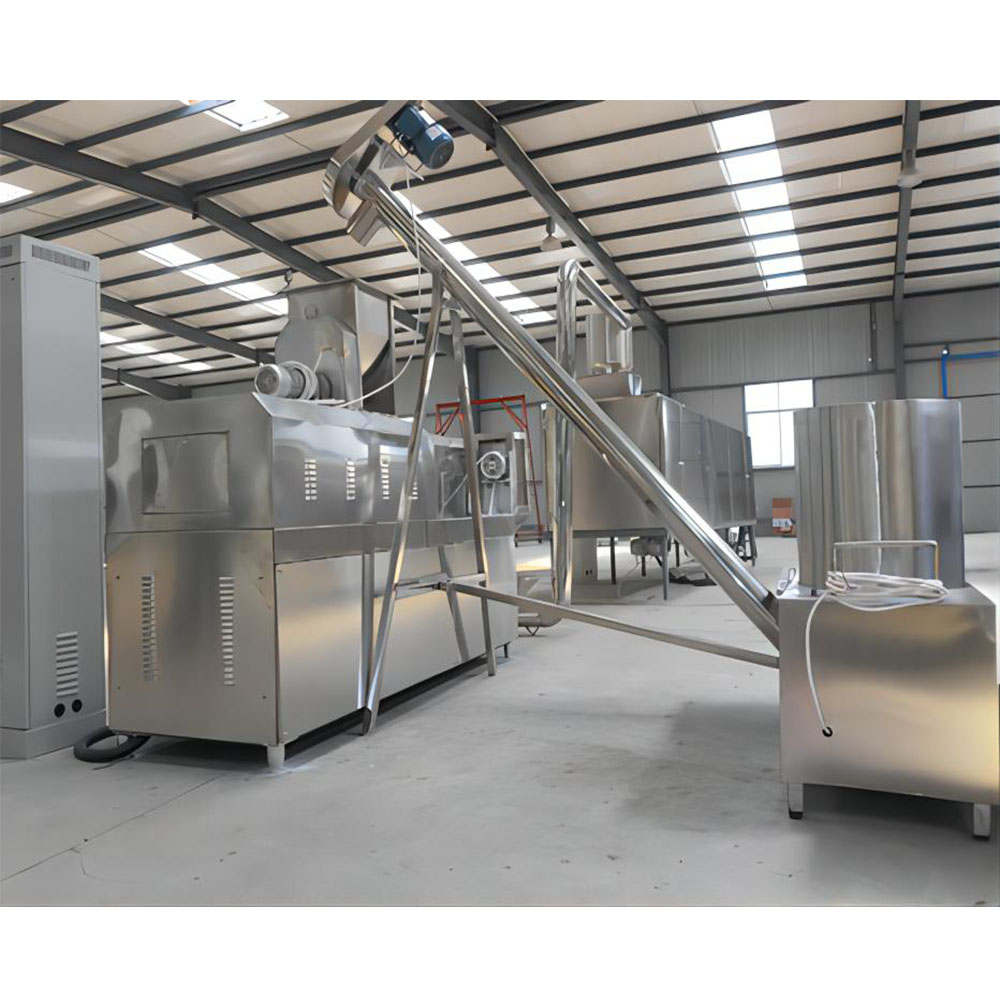
How to Choose a Industrial Juice Production Line: Extractor to Aseptic — A Complete B2B?
Setting up an industrial juice production line requires careful coordination between extractors, filters, pasteurizers, and aseptic fillers to deliver shelf-stable beverages at commercial scale. For juice processors in Brazil, Mexico, and Egypt — three of the fastest-growing tropical juice markets — choosing the right equipment configuration directly impacts yield, flavor retention, energy consumption, and final product shelf life. This guide walks plant managers and procurement teams through every stage of a modern juice line, with specific recommendations on the JCF-701 extractor system and ABC-701 aseptic filler.
- A complete juice production line spans extraction, filtration, pasteurization, hot-fill or aseptic filling, and CIP cleaning — each stage must be sized to match your raw fruit input and target output volume.
- The JCF-701 extractor handles citrus and tropical fruits with high Brix recovery, while the ABC-701 aseptic filler delivers 6-to-12-month ambient shelf life without preservatives.
- Brazilian, Mexican, and Egyptian buyers should prioritize lines rated for 5–50 tons/hour, 304/316 stainless contact surfaces, and local voltage (220V/380V/440V 50/60Hz compatibility).
- Hot-fill and aseptic are not interchangeable — hot-fill suits high-acid clear juices in PET, while aseptic enables premium NFC juices, pulps, and purees in cartons or bag-in-box.
- Total line cost typically ranges from USD 380,000 for a compact 5 t/h citrus line to over USD 2.8M for a fully automated 30 t/h tropical fruit aseptic line.
Why Does Brazil, Mexico, and Egypt Are Driving Global Juice Line Investment?
Brazil remains the world’s largest orange juice exporter, with over 70% of global frozen concentrated orange juice (FCOJ) trade originating from São Paulo state. But the market is shifting — Brazilian processors are diversifying into acerola, passion fruit, guava, and açaí to capture higher-margin NFC (Not From Concentrate) demand from Europe and Asia. This means new juice production lines must handle multiple fruit varieties on a single skid, with fast changeover and aggressive CIP cycles.
Mexico has emerged as the Western Hemisphere’s tropical juice hub, driven by domestic consumption of mango, guava, tamarind, and lime, plus strong export channels to the United States under USMCA. Mexican processors increasingly demand hot-fill PET lines for ready-to-drink (RTD) beverages alongside traditional glass-packaged juices. Climate conditions in Veracruz, Michoacán, and Sinaloa also favor year-round processing, which justifies higher capital investment in continuous rather than batch lines.
Egypt’s juice sector is expanding rapidly on the back of population growth, tourism-driven HORECA demand, and export opportunities to the Gulf, Africa, and Eastern Europe. Egyptian processors typically focus on orange, mango, pomegranate, and strawberry, with growing interest in date-based and herbal functional beverages. The Egyptian market is price-sensitive but rewards equipment that combines reasonable capital cost with low operating expenditure — making mid-capacity Chinese-built lines like the JCF-701 + ABC-701 combination particularly attractive.
Across all three markets, three regulatory and consumer forces are shaping equipment decisions: (1) stricter HACCP, ISO 22000, and FDA-equivalent food safety requirements; (2) rising demand for clean-label, preservative-free beverages that only aseptic or high-temperature short-time (HTST) processing can deliver; (3) energy and water cost pressure that favors lines with heat recovery, closed-loop CIP, and low-water vacuum pumps.
Anatomy of a Modern Juice Production Line: From Fruit Reception to Packed Carton
A complete industrial juice line is not a single machine — it is a choreographed sequence of unit operations, each feeding the next at a matched flow rate. Understanding this sequence is essential before evaluating specific equipment vendors or models. Below is the standard flow for a tropical and citrus juice plant.
The line begins at fruit reception and washing, where incoming fruit is dumped into soaking tanks, brushed, and sanitized with chlorinated or ozonated water. Clean fruit is then sorted and graded on roller or belt inspectors that remove moldy, unripe, or damaged specimens — a critical step because one rotten orange can spoil an entire batch through enzymatic browning and microbial contamination. Graded fruit is elevated to the extractor, where the JCF-701 or equivalent separates juice from peel, seeds, and pulp depending on fruit type.
After extraction, the juice — often cloudy and containing suspended solids — moves to finishing and filtration. Centrifugal finishers or screw presses remove coarse pulp; ultrafiltration or decanter centrifuges refine the juice to the desired turbidity. For clear juices (apple, grape), an enzyme treatment followed by ultrafiltration yields brilliant clarity. For cloudy juices (orange, mango, apricot), only coarse finishing is applied to preserve the desirable cloud.
The filtered juice then enters pasteurization, typically a plate heat exchanger running HTST at 85–95°C for 15–30 seconds for high-acid juices, or UHT at 110–135°C for low-acid or shelf-stable products. Pasteurized juice can follow one of three paths: (1) hot-fill into pre-heated PET or glass bottles, (2) cool-down and ambient aseptic filling into cartons or bag-in-box via the ABC-701, or (3) chill-fill for short-shelf-life refrigerated distribution. The chosen path determines downstream capping, labeling, coding, and packaging equipment.
Finally, every modern line includes an integrated CIP (Clean-in-Place) system with storage tanks for pre-rinse, caustic, acid, and final rinse water, plus a SIP (Sterilize-in-Place) loop for the aseptic filler. Without robust CIP, even the best extractor and filler combination will succumb to biofilm buildup, product carryover, and microbial contamination within weeks.
JCF-701 Extractor: Specifications, Fruit Compatibility, and Throughput
The JCF-701 is the workhorse extractor for medium-to-large juice plants targeting citrus (orange, lemon, lime, grapefruit, mandarin) and softer tropical fruits (mango, passion fruit, pineapple, guava, papaya). It is engineered as a multi-fruit skid, meaning the same frame can switch between citrus extraction cups and tropical fruit crushing/squeezing heads with a tool-less changeover under 30 minutes.
At its core, the JCF-701 uses a low-speed squeeze-and-press mechanism rather than high-speed centrifugal crushing. This matters because low-speed extraction reduces oxidation, preserves volatile aroma compounds, and limits bitter peel oil migration into the juice — the single biggest quality defect in cheaply extracted citrus juice. The result is a measurable uplift in Brix (typically 11.2–13.5 for orange), vitamin C retention (above 90%), and aroma profile compared with hammer-mill style extractors.
Key specifications for the JCF-701 include a processing capacity of 5 to 15 tons of fruit per hour (configurable in three skid sizes), 304 stainless steel fruit contact surfaces with optional 316 upgrade for high-acid tropical fruit, main motor power of 18.5 kW, and a footprint of approximately 4.2 m × 1.8 m × 2.1 m. Juice yield ranges from 45–55% for citrus (depending on fruit quality and variety) and 55–68% for ripe tropical fruit. The machine accepts fruit diameters from 50 mm to 110 mm without manual re-grading.
For Brazilian orange processors, the JCF-701’s optional cold-pressed oil recovery attachment is a significant revenue side-stream — citrus essential oil can sell for USD 8–25 per kilogram depending on variety and purity. Mexican lime processors benefit from the same attachment. For Egyptian mango and guava processors, the JCF-701’s variable-speed crushing head can be tuned to produce coarser or finer pulp content to match different finished-product specifications (premium cloudy juice vs. nectar-style drink).
ABC-701 Aseptic Filler: How It Delivers 12-Month Ambient Shelf Life
The ABC-701 is the aseptic filling and sealing module paired with the JCF-701 in a complete line. Its purpose is to package commercially sterilized juice into sterilized packaging, in a sterilized environment, without ever exposing the product to ambient air or human contact. When this chain of sterility is maintained, finished juice — whether NFC orange, mango puree, or passion fruit nectar — achieves 6 to 12 months of ambient shelf life with zero preservatives and without refrigeration.
The ABC-701 supports three primary packaging formats: (1) bag-in-box from 3 to 25 liters for HORECA and foodservice; (2) pre-formed pouches from 200 ml to 1 liter for retail; (3) drum and tote filling from 200 to 1,000 liters for industrial B2B ingredients. The filler is rated for 1,000 to 3,000 bags or pouches per hour depending on format and viscosity. Changeover between formats requires approximately 45 minutes plus a full sterilization cycle.
Sterilization on the ABC-701 uses a combination of H2O2 (hydrogen peroxide) vapor for packaging surfaces and peracetic acid (PAA) for the filling chamber and product contact parts. After sterilization, sterile hot air evaporates residual H2O2 to below 0.5 ppm — well within FDA and EU limits. The chamber is maintained at positive pressure with HEPA-filtered sterile air. Product enters the filler through a sterile hold tube downstream of the UHT heat exchanger, ensuring that any post-pasteurization contamination is impossible.
For exporters in Brazil and Mexico shipping juice to distant markets in Europe, the Middle East, and Asia, the ABC-701’s aseptic capability is transformative. It eliminates the cold chain, reduces shipping weight (no ice or refrigeration), and allows retail-ready packaging at destination. For Egyptian processors serving the Gulf and African markets — where ambient distribution dominates — aseptic is not optional but a baseline requirement.
Hot-Fill vs. Aseptic: Choosing the Right Filling Technology: Which Is Better?
One of the most consequential decisions in specifying a juice production line is whether to use hot-fill or aseptic filling. Both achieve shelf stability without preservatives, but they differ in capital cost, packaging cost, product quality, and applicable product range. The wrong choice locks a plant into a sub-optimal product portfolio for a decade.
Hot-fill heats juice to 88–95°C, fills it into pre-heated PET or glass bottles, inverts the bottle for 15–30 seconds to sterilize the cap and headspace, then cools it through a cooling tunnel. It is simpler, cheaper, and faster to commission. It works well for high-acid juices (pH below 4.6) like orange, apple, grape, and most tropical blends. Limitations include shorter shelf life (typically 6–9 months), some thermal degradation of flavor and vitamin C, and the inability to process low-acid juices or products with large pulp particles that insulate microbes.
Aseptic separates product sterilization (UHT), packaging sterilization (H2O2/PAA), and environment sterilization (HEPA + positive pressure). It delivers superior flavor retention, lower energy use per package (because the cooling tunnel is eliminated), compatibility with low-acid products, and ambient shelf life up to 12 months. The trade-off is higher capital cost (typically 1.8–2.5x hot-fill for the same throughput), more demanding operator skill, and tighter sterilization validation requirements.
| Parameter | Hot-Fill Line | Aseptic Line (ABC-701) |
|---|---|---|
| Typical throughput | 6,000–24,000 bph | 1,000–12,000 units/hour |
| Capital cost (USD, 10,000 bph) | ~650,000–1.2M | ~1.4M–2.2M |
| Ambient shelf life | 6–9 months | 9–12 months |
| Compatible packaging | PET, glass | Carton, bag-in-box, pouch, PET |
| Flavor / vitamin retention | Good | Excellent |
| Low-acid (pH > 4.6) capability | Not suitable | Suitable with UHT |
| Energy per liter | Higher (cooling tunnel) | Lower (no cooling tunnel) |
| Best fit product | RTD high-acid juices, nectars | NFC juices, purees, premium juices |
| Operator skill requirement | Medium | High |
| Spare parts cost per year | Low | Medium-high |
For most Mexican and Egyptian processors entering the market, the recommendation is to start with hot-fill for clear high-acid juices in PET, then add aseptic capacity as premium NFC and export volumes justify the investment. Brazilian processors with established export channels should consider aseptic from day one, given global demand for preservative-free NFC orange juice at premium pricing.
Sizing, Utilities, and Plant Layout: Practical Engineering Considerations
Selecting the right capacity for a juice production line is not simply a matter of multiplying annual fruit tonnage by 0.5 to get juice output. Real-world plant design must account for fruit seasonality (often only 4–8 months of peak harvest), desired daily shift pattern (one, two, or three shifts), target daily and weekly throughput, planned product mix, and a buffer for future expansion. Undersizing limits revenue during peak season; oversizing saddles the plant with idle equipment and amortization during off-season.
A practical starting point is the concept of effective processing hours per year. A single-fruit citrus plant in São Paulo might run 4,500 effective hours per year (two shifts, 6 days/week, 9 months). A multi-fruit plant in Michoacán might run 6,500 hours by sequencing mango, guava, and tamarind across different seasons. Divide target annual juice output by effective hours to get the required instantaneous capacity, then add a 15% buffer for CIP, changeover, and maintenance.
Utilities consumption for a typical 10 t/h juice line includes: steam at 1,200–1,800 kg/hour for pasteurization and CIP, electricity at 180–260 kW connected load, chilled water at 250–400 m³/hour for post-pasteurization cooling, compressed air at 8–15 m³/min for pneumatic actuators, and process water at 5–10 m³/hour for fruit washing and CIP makeup. These figures vary ±25% based on heat recovery design, equipment efficiency, and climate.
Plant layout should follow a strict linear flow — raw fruit receiving, washing, extraction, filtration, pasteurization, filling, packaging, warehousing — with no crossover of raw and finished product paths. A minimum clear ceiling height of 5.5 meters is required for the extractor skid and overhead piping bridge, plus a 4-meter clear floor area around each major machine for maintenance access. CIP and utility rooms should be centralized to minimize pipe runs. For aseptic lines, a dedicated positive-pressure sterile room of ISO Class 6 or better is required around the ABC-701 filler.
Capital Budgeting and Total Cost of Ownership for a Juice Line
The capital cost of a complete juice production line — from fruit reception to packed pallet — varies enormously based on capacity, automation level, and choice of filling technology. Below is indicative pricing for a mid-capacity 10 t/h multi-fruit line delivered and commissioned in Brazil, Mexico, or Egypt, including shipping, duties, installation, and one-year spare parts.
| Line Configuration | Indicative Capital (USD) | Annual OPEX Estimate |
|---|---|---|
| 5 t/h citrus + hot-fill PET, semi-auto | 380,000–560,000 | 180,000–240,000 |
| 10 t/h multi-fruit + hot-fill PET | 720,000–1,100,000 | 320,000–420,000 |
| 10 t/h multi-fruit + ABC-701 aseptic | 1,500,000–2,200,000 | 380,000–480,000 |
| 20 t/h multi-fruit + aseptic + FCOJ evaporator | 2,400,000–3,400,000 | 620,000–820,000 |
| 30 t/h tropical + aseptic + UHT puree | 3,200,000–4,800,000 | 820,000–1,100,000 |
Beyond capital, total cost of ownership (TCO) includes energy, water, labor, packaging waste, downtime, and consumables. Energy and water typically represent 18–28% of annual OPEX; labor 12–20%; consumables (filters, seals, gaskets, H2O2, PAA, lubricants) 8–14%; preventive maintenance and spare parts 6–10%. Downtime — both planned (CIP, changeover) and unplanned (breakdowns) — is often the largest hidden cost, sometimes exceeding 25% of OPEX when expressed as lost production value.
The single most effective TCO lever for buyers in Brazil, Mexico, and Egypt is investing in local after-sales support. A line with 8% lower capital cost but a 3-week spare-parts lead time will lose 10x its savings in a single forced shutdown during peak harvest. Always evaluate vendors on (a) local technician availability, (b) spare parts warehouse in country or region, (c) remote diagnostics capability, and (d) training programs for operator and maintenance staff.
Frequently Asked Questions
Q: What is the minimum viable production volume to justify a JCF-701 + ABC-701 line?
A: For most operators in Brazil, Mexico, and Egypt, a 5 t/h line becomes economically viable when annual juice output exceeds 4,500 tons, equivalent to roughly 1.5 million liters of finished product. Below this volume, contract packing or a smaller semi-automatic line is usually more cost-effective.
Q: Can the JCF-701 handle both citrus and tropical fruit without separate machines?
A: Yes, the JCF-701 is designed as a multi-fruit extractor with quick-change heads. Citrus cups, tropical fruit crushers, and berry/specialty fruit attachments can be swapped in under 30 minutes. For very different fruit types processed back-to-back (e.g., orange followed by mango), a full intermediate CIP is recommended to prevent flavor carryover.
Q: What packaging formats does the ABC-701 aseptic filler support?
A: The ABC-701 supports bag-in-box (3–25 liters), pre-formed pouches (200 ml–1 L), and aseptic drums/totes (200–1,000 liters). It does not directly form cartons; if you require roll-fed carton packaging (Tetra/Pak-style), a separate carton-forming aseptic filler is required and the ABC-701 can be configured as the upstream sterilization and metering module.
Q: How long does commissioning typically take from equipment arrival to first commercial batch?
A: For a standard 10 t/h multi-fruit line, expect 8–12 weeks from equipment arrival to first commercial-quality batch. This includes 3 weeks mechanical installation, 2 weeks piping and electrical, 2 weeks CIP and sterilization validation, and 1–3 weeks product trials and optimization. Aseptic lines add 2–3 weeks for sterile-validation protocols.
Q: What food safety certifications should I look for in the equipment?
A: At minimum, all product contact components should be 304 or 316 stainless steel with food-grade elastomers (EPDM, FKM, silicone) compliant with FDA 21 CFR or EU 1935/2004. Look for CE marking, ISO 22000-compatible design, 3-A sanitary standards on US-bound product, and supplied IQ/OQ documentation. For export to the EU or US, the line vendor should provide material certificates, weld records, and slope-for-drainage verification.
Q: How do I choose between Chinese-built and European-built juice lines?
A: Chinese-built lines like the JCF-701 + ABC-701 combination typically cost 40–60% less than European equivalents for the same throughput, with comparable core performance but sometimes lower automation sophistication and shorter expected service intervals. For budget-constrained projects, multi-fruit plants with a quality-first brand positioning, and processors in Brazil/Mexico/Egypt who can build strong local maintenance teams, Chinese lines are often the right choice. For ultra-premium NFC brands or plants with limited technical staff, European lines may justify the premium.
If you are planning a new juice production line in Brazil, Mexico, or Egypt — whether it is your first commercial line or an expansion from hot-fill into aseptic — our engineering team can help you size, specify, and budget the right JCF-701 extractor and ABC-701 aseptic filler configuration for your fruit mix, target volume, and packaging strategy. Send your fruit types, target daily output, and preferred packaging formats to [email protected] for a tailored line proposal, capacity calculation, and indicative quotation within 48 hours.
Learn more: cooking oil processing applications
Get a quote: [email protected]