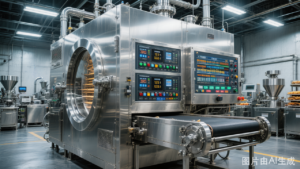
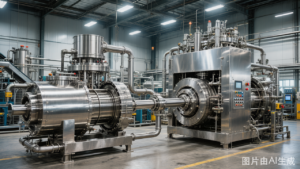
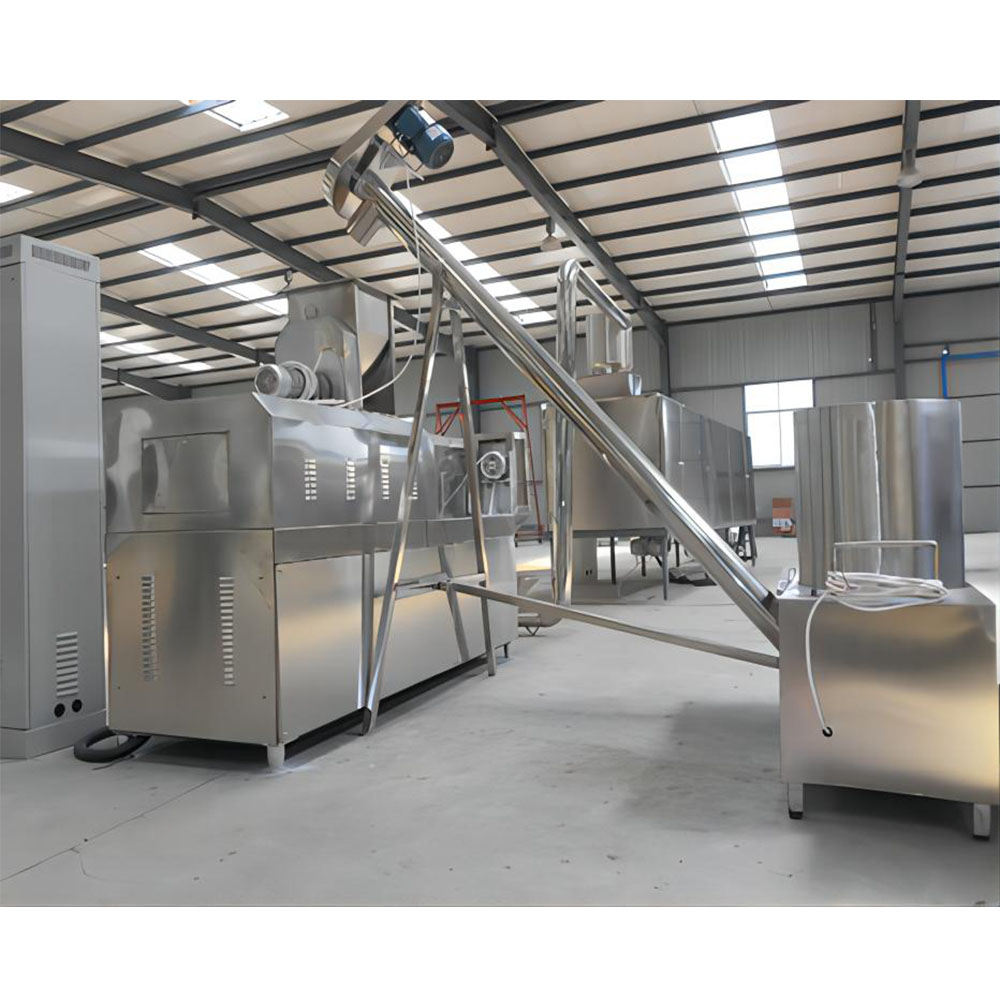
The price of food processing machines from China is influenced by seven primary factors: materials and build quality, component brands, production capacity, automation level, certification requirements, order quantity, and current market conditions including steel prices and exchange rates. Understanding these factors helps buyers evaluate whether a quoted price is fair, negotiate effectively, and make informed trade-offs between cost and quality. Food processing machines from China typically cost 40–70% less than European equivalents, with prices ranging from $1,000 for basic equipment to $500,000+ for complete automated production lines.
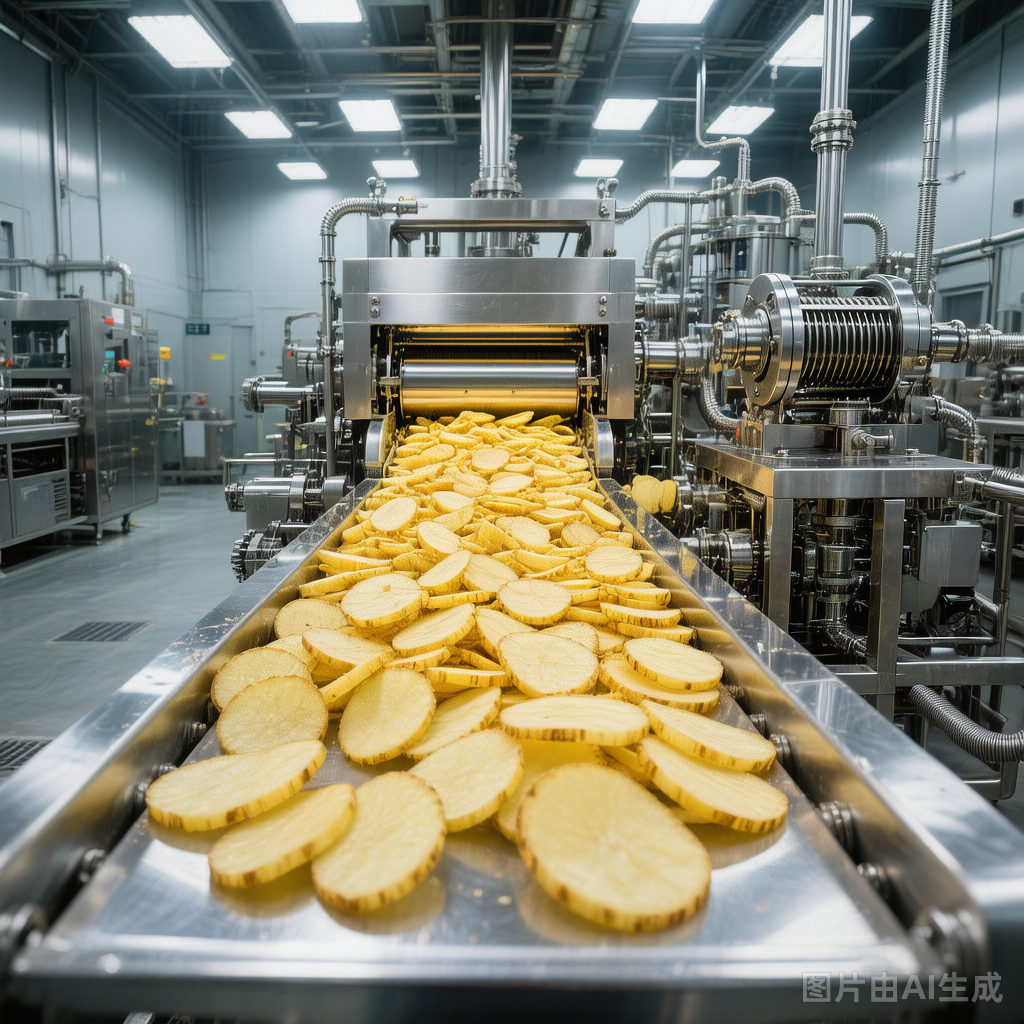
TL;DR – Key Price Factors Summary
- Materials: 304 vs 316 stainless steel can add 15–30% to cost; material thickness matters
- Components: European-brand motors/PLCs add 10–25%; Chinese premium brands are cheaper
- Capacity: Higher capacity roughly doubles price per doubling of throughput
- Automation: Each automation level adds 20–50% over manual equivalents
- Certifications: CE, UL, FDA compliance adds 5–15% to base price
- Order volume: Multiple units can yield 5–15% discount
- Steel prices: Raw material cost fluctuations directly impact machine pricing
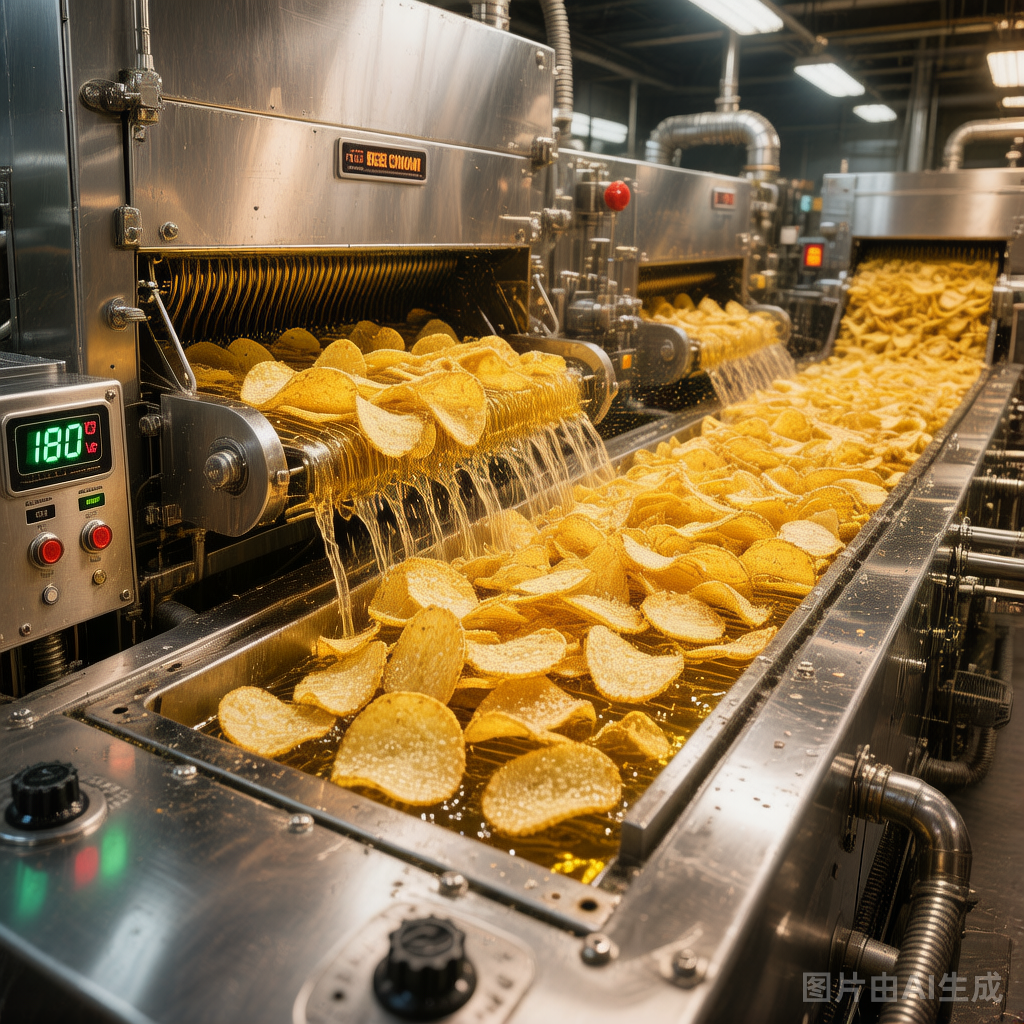
Factor 1: Materials and Build Quality
The choice of materials is the single largest cost driver in food processing equipment manufacturing. Stainless steel is mandatory for food-contact surfaces, but the grade, thickness, and surface finish quality significantly affect both cost and performance.
| Material Choice | Cost Impact | When to Specify |
|---|---|---|
| 304 Stainless Steel | Baseline (standard) | Most food processing applications |
| 316 Stainless Steel | +15–30% over 304 | High-salt, acidic, or corrosive environments |
| 316L Stainless Steel | +25–40% over 304 | Pharmaceutical-grade, extreme corrosion resistance |
| Carbon Steel (frame) | Lower cost | Non-food-contact structural components |
| Food-Grade Plastic (PP/PE) | Lower than SS | Hoppers, guards, non-critical parts |
| Sheet Thickness (2mm vs 3mm) | +10–20% thicker gauge | Heavy-duty or high-pressure applications |
Surface finish quality also affects price. Mirror-polished surfaces (Ra 0.2–0.4 μm) cost significantly more than standard brushed finishes (Ra 0.8–1.6 μm) but are easier to clean and more hygienic. Weld quality — particularly whether welds are ground smooth and passivated — is another differentiator between budget and premium equipment.
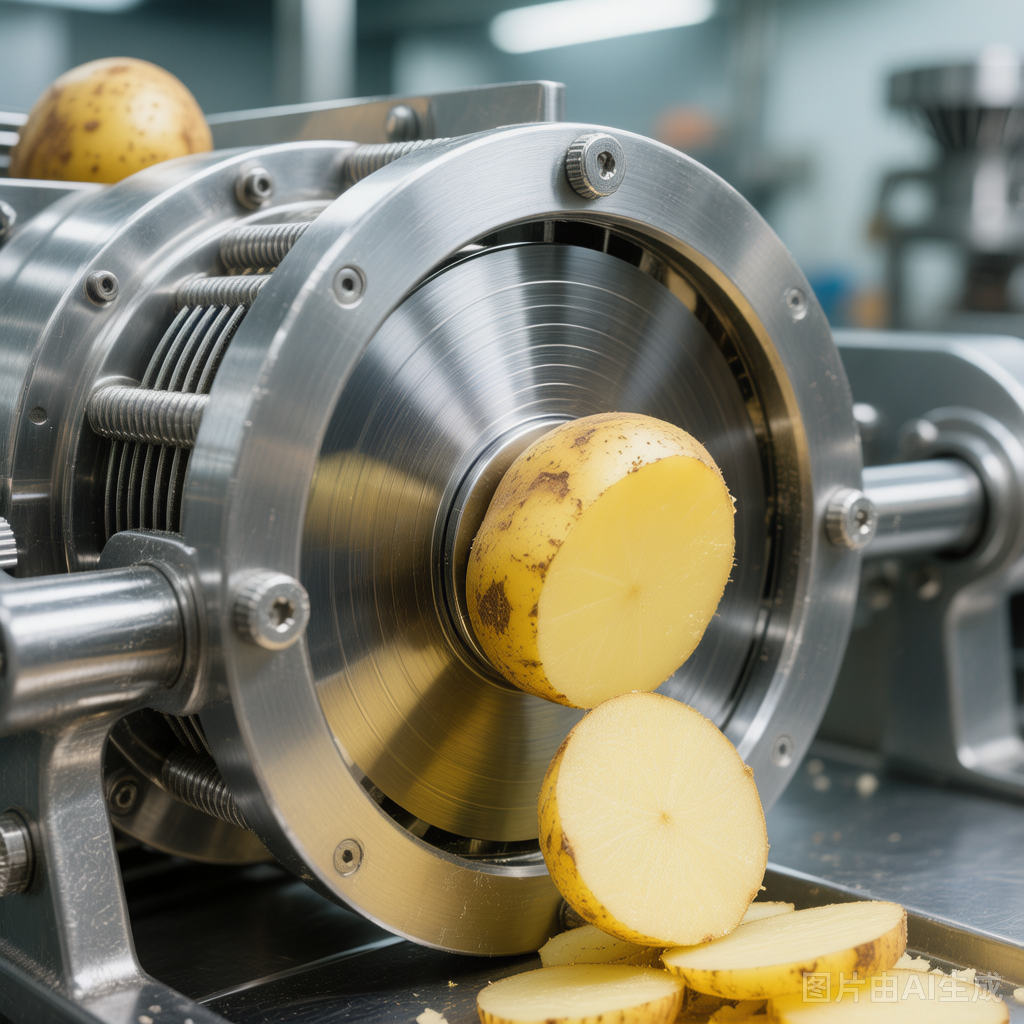
Factor 2: Component Brands
| Component | Premium (European) | Mid-Range (Chinese/Japanese) | Budget (Chinese Standard) |
|---|---|---|---|
| Motor | SIEMENS, ABB (+15–25%) | Teco, WEG (+5–10%) | Chinese brand (baseline) |
| Inverter/VFD | ABB, Danfoss (+15–25%) | Delta, Mitsubishi (+5–10%) | Chinese brand (baseline) |
| PLC Controller | SIEMENS, Allen-Bradley (+20–30%) | Delta, Mitsubishi (+5–10%) | Chinese brand (baseline) |
| Bearings | SKF, FAG, NSK (+10–15%) | NSK, NTN (+5%) | Chinese brand (baseline) |
| Pneumatic Components | Festo, SMC (+15–25%) | AITC, SMC (China) (+5%) | Chinese brand (baseline) |
| Seals/Gaskets | Parker, Trelleborg (+10–20%) | Quality silicone/EPDM (+5%) | Standard rubber (baseline) |
The component brand premium is one of the most significant price factors. A meat grinder with all SIEMENS/ABB components might cost 25–40% more than the same machine with standard Chinese components. However, the reliability difference is substantial — European-brand motors typically last 2–3 times longer under heavy commercial use. For mission-critical applications, the premium is usually worth it.
Factor 3: Production Capacity
| Equipment Type | Small Capacity | Price | Large Capacity | Price |
|---|---|---|---|---|
| Meat Grinder | 150 kg/h | $1,500–$3,000 | 1,000 kg/h | $8,000–$20,000 |
| Screw Oil Press | 500 kg/h | $3,000–$6,000 | 5,000 kg/h | $20,000–$50,000 |
| Juice Extractor | 500 L/h | $3,000–$8,000 | 5,000 L/h | $30,000–$100,000 |
| Packaging Machine | 500 bags/h | $1,500–$3,000 | 5,000 bags/h | $15,000–$50,000 |
| Mixing Tank | 200 L | $1,000–$3,000 | 2,000 L | $8,000–$25,000 |
Capacity scaling is not linear — a machine with double the capacity does not cost double the price. Typically, each doubling of capacity adds 60–80% to the price. This means buying a larger machine is usually more cost-effective per unit of output than buying two smaller machines. However, consider whether you will actually utilize the larger capacity before investing in a bigger machine.
Factor 4: Automation Level
| Automation Level | Features | Price Premium | Labor Required |
|---|---|---|---|
| Manual | Hand-operated controls, no PLC | Baseline | High (2–5 workers) |
| Semi-Automatic | Push-button controls, basic PLC | +20–40% | Medium (1–3 workers) |
| Fully Automatic | PLC + HMI touchscreen, auto-feed | +50–100% | Low (1–2 workers) |
| Smart/IoT | Fully auto + remote monitoring, data logging | +80–150% | Minimal (supervision only) |
Factor 5: Certifications and Compliance
| Certification | Cost Impact | Required For |
|---|---|---|
| CE Marking | +5–10% | European market |
| UL Listing | +8–15% | US market |
| ISO 9001 | +2–5% | General quality assurance |
| ISO 22000 / HACCP | +3–8% | Food safety management |
| FDA Compliance | +5–10% | US food-contact materials |
| 3A Sanitary Standards | +10–20% | Dairy industry (US) |
| ATEX (Explosion-proof) | +15–30% | Solvent/oil processing |
Factor 6: Order Volume and Negotiation
| Order Size | Typical Discount | Notes |
|---|---|---|
| Single unit | Standard price | No volume discount |
| 2–5 units | 3–8% discount | Small order negotiation |
| 5–20 units | 8–15% discount | Meaningful savings |
| 20+ units | 12–20% discount | Wholesale pricing |
| Full container load | 15–25% discount | Best pricing tier |
Factor 7: Market Conditions
| Market Factor | Price Impact | Current Trend |
|---|---|---|
| Stainless Steel Price | Direct — 30–50% of machine cost is material | Volatile, check LME index |
| USD/CNY Exchange Rate | 5–10% swings possible | Monitor for favorable timing |
| Shipping/Freight Costs | 10–25% of total landed cost | Post-pandemic stabilization |
| Chinese New Year (Jan/Feb) | Prices may rise before/after | Order before December for best deals |
| Government Subsidies | Can reduce 5–15% | Export incentives available |
| Trade Tariffs | Varies by country | Check HS code duty rates |
Price Comparison: Same Machine, Different Specifications
To illustrate how these factors combine, here is a price breakdown for a 500 kg/h meat grinder from China with different specification levels:
| Configuration | Materials | Components | Automation | Certifications | Price |
|---|---|---|---|---|---|
| Budget | 304 SS, 2mm | Chinese standard | Manual | ISO 9001 | $2,500–$4,000 |
| Standard | 304 SS, 2.5mm | Delta PLC, Teco motor | Semi-auto | ISO + CE | $4,500–$7,000 |
| Premium | 316 SS, 3mm | SIEMENS PLC + motor | Fully auto | CE + UL + ISO | $8,000–$14,000 |
| Ultra-Premium | 316L SS, 3mm mirror | All SIEMENS/ABB/SKF | Smart/IoT | Full certification | $14,000–$20,000 |
Frequently Asked Questions
Why do quotes for the same machine vary so much between Chinese suppliers?
Large price variations typically reflect differences in material quality (steel grade and thickness), component brands (motors, PLCs, bearings), included accessories and spare parts, warranty terms and after-sales support, and whether the supplier is a factory or trading company. A $2,000 meat grinder and a $5,000 meat grinder may look similar in photos but differ significantly in the steel thickness, motor quality, blade hardness, and expected service life. Always request detailed specifications before comparing prices.
Are there hidden costs when importing food machines from China?
Yes, plan for the following additional costs: international shipping (10–20% of equipment cost), import duties and taxes (varies by country, 0–25%), customs clearance fees ($200–$500 per shipment), inland transportation from port to your facility, installation and commissioning (if required), and electrical modifications if voltage does not match. Your total landed cost is typically 115–140% of the FOB price quoted by the manufacturer. Request CNF or CIF quotes to simplify cost calculation.
Is it worth paying extra for European-brand components?
In most cases, yes — for critical components like motors, PLCs, and bearings. The 10–25% premium for European-brand components typically pays for itself through longer service life, fewer breakdowns, easier access to replacement parts globally, and better resale value. However, for components like contactors, switches, and indicator lights, the quality difference is minimal, and Chinese brands perform adequately. Focus your component budget on the items that directly affect reliability: motor, PLC, bearings, and seals.
How can I negotiate the best price?
Effective negotiation strategies include: requesting quotes from 3–5 manufacturers, ordering during slow seasons (avoid Q4 before Chinese New Year), offering to pay a larger deposit for better terms, bundling multiple machines into one order, providing a long-term purchase commitment, accepting longer lead times for production scheduling flexibility, and being flexible on component brands. Building a relationship with a single manufacturer for repeat orders often yields the best long-term pricing.
Conclusion
Understanding the factors that affect food processing machine prices from China empowers you to make informed purchasing decisions and negotiate effectively. The key is knowing where to invest (materials, critical components) and where to save (cosmetic features, over-specified automation). By specifying your requirements clearly and comparing detailed quotations, you can find the right balance of quality and price for your food processing operation.
Get transparent, competitive pricing on food processing equipment at food-processing-machine.com. Our factory-direct model ensures you get the best price without compromising on quality. Contact our sales team at food-processing-machine.com/contact for detailed quotations with itemized specifications.