Selecting the best pasta and noodle making machine for commercial production requires evaluating your product type (dry pasta, fresh pasta, instant noodles, or Asian noodles), production capacity needs, available floor space, and budget. Commercial pasta and noodle machines range from semi-automatic units producing 100 kg/hour for $5,000 to fully automated lines producing 1,000+ kg/hour for $50,000–$300,000. This guide covers machine types, specifications, key features, and a structured selection process to help you choose the right equipment for your pasta or noodle business.
TL;DR – Quick Selection Summary
- Fresh pasta machines: $3,000–$30,000, 50–500 kg/h, ideal for restaurants and small producers
- Dry pasta production lines: $15,000–$200,000, 200–2,000 kg/h, for commercial pasta factories
- Instant noodle lines: $30,000–$300,000, 500–5,000+ kg/h, for large-scale manufacturers
- Asian noodle machines: $5,000–$80,000, 100–1,000 kg/h, for ramen, udon, rice noodles
- Key factors: Extrusion vs. sheet rolling, die quality, automation level, drying system, and material quality
- ROI: Typically 6–18 months for well-managed commercial operations
Types of Pasta and Noodle Machines
1. Fresh Pasta Machines (Extruder Type)
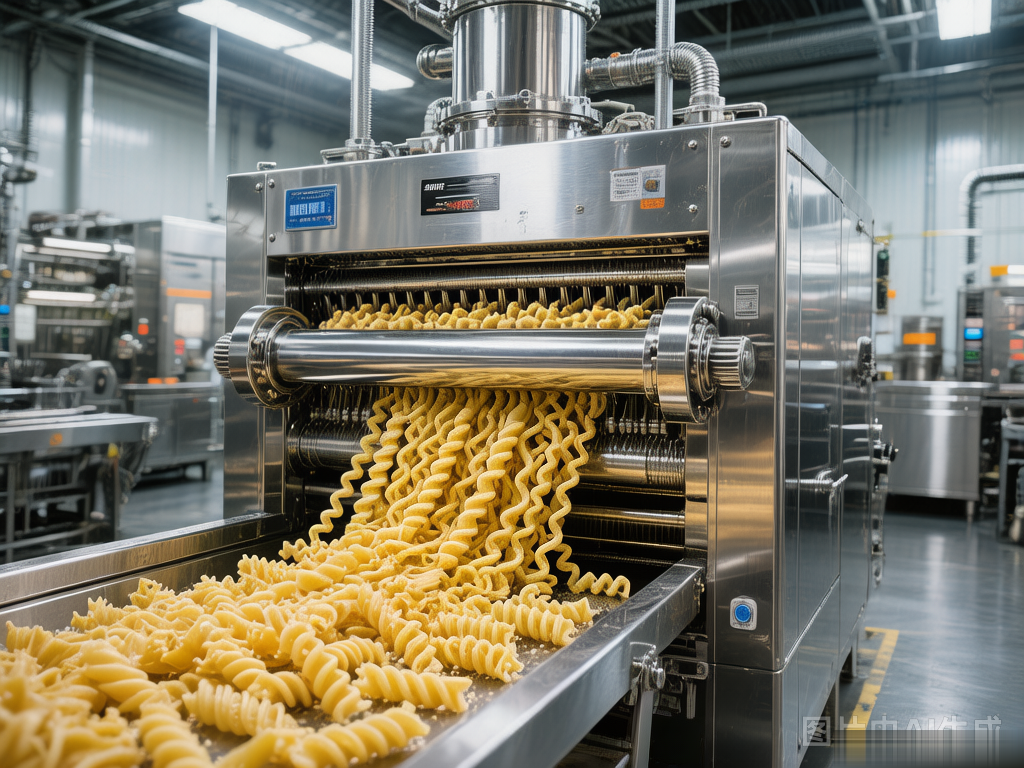
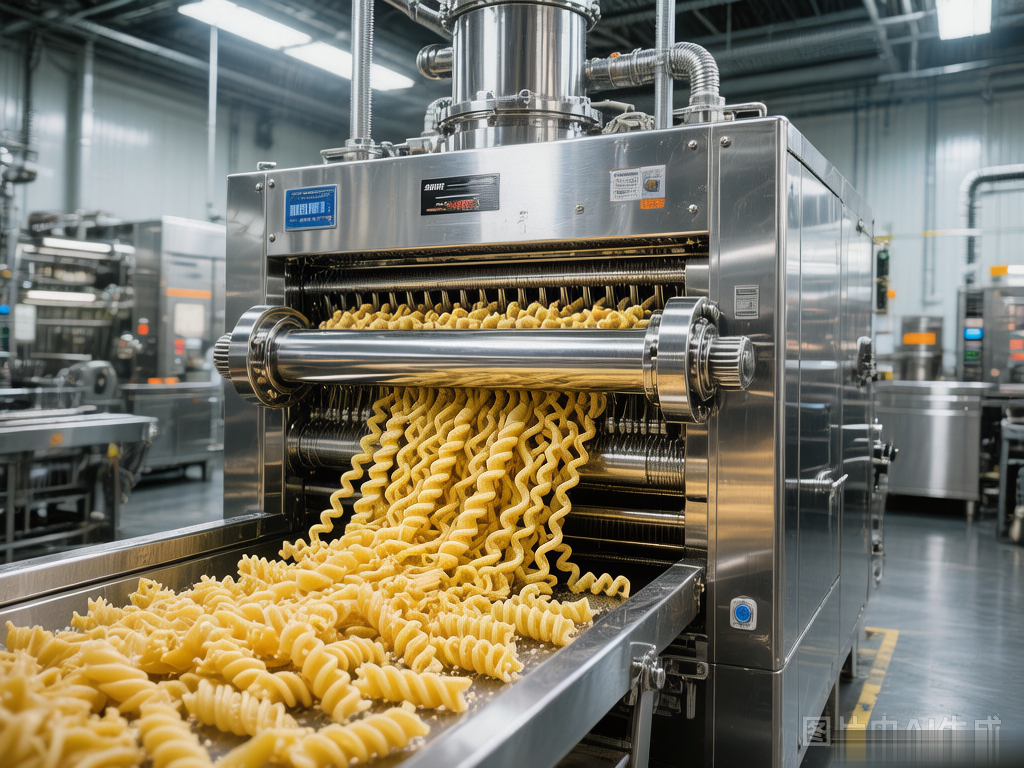
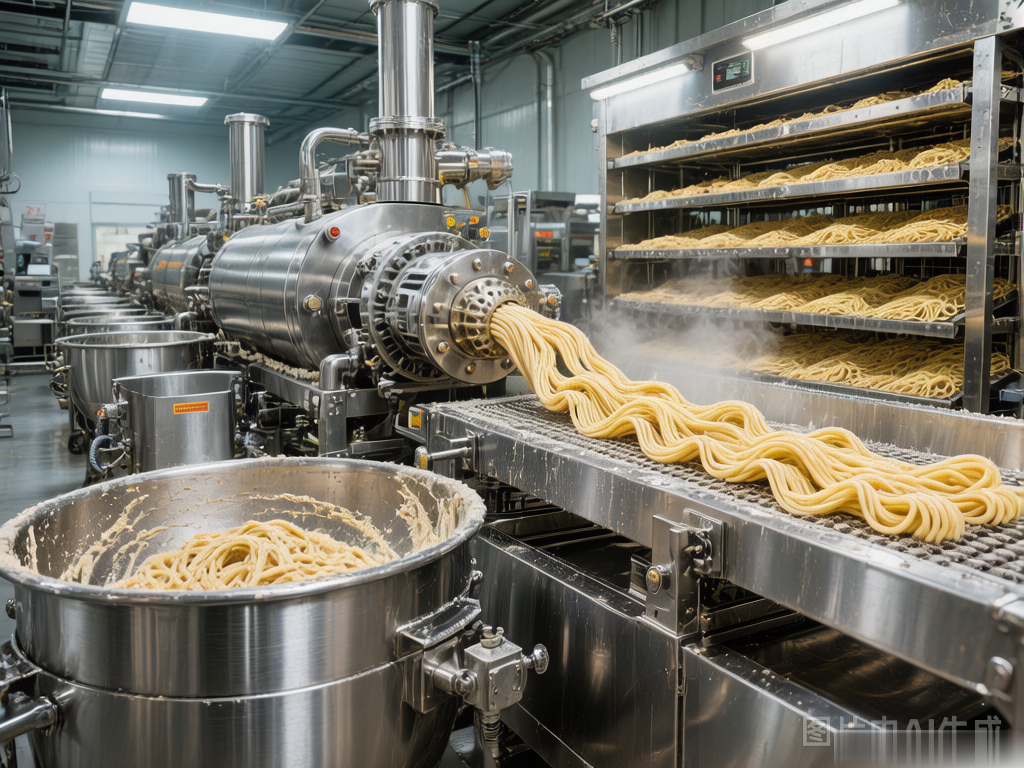
Fresh pasta machines use a screw extruder to push dough through shaped dies (bronze or Teflon). They produce a wide variety of pasta shapes including spaghetti, penne, fusilli, macaroni, and specialty shapes. Fresh pasta has a higher moisture content (28–32%) and shorter shelf life (2–5 days refrigerated or 6–12 months frozen).
| Specification | Small | Medium | Large |
|---|---|---|---|
| Output | 50–150 kg/h | 150–400 kg/h | 400–1,000 kg/h |
| Motor Power | 2–5 kW | 5–15 kW | 15–45 kW |
| Dies Available | 10–30 shapes | 30–80 shapes | 80+ shapes |
| Price Range | $3,000–$10,000 | $10,000–$35,000 | $35,000–$100,000 |
| Automation | Semi-auto | Semi to fully auto | Fully automatic |
2. Dry Pasta Production Lines
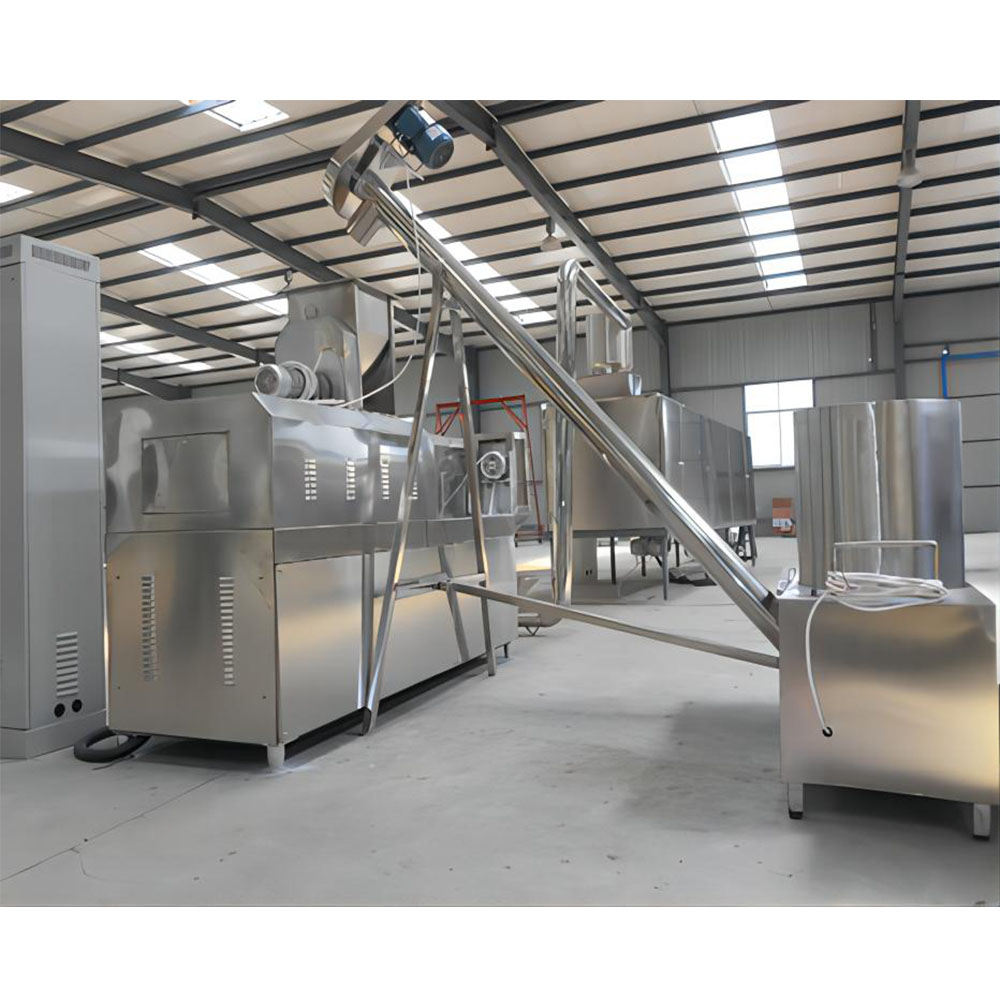
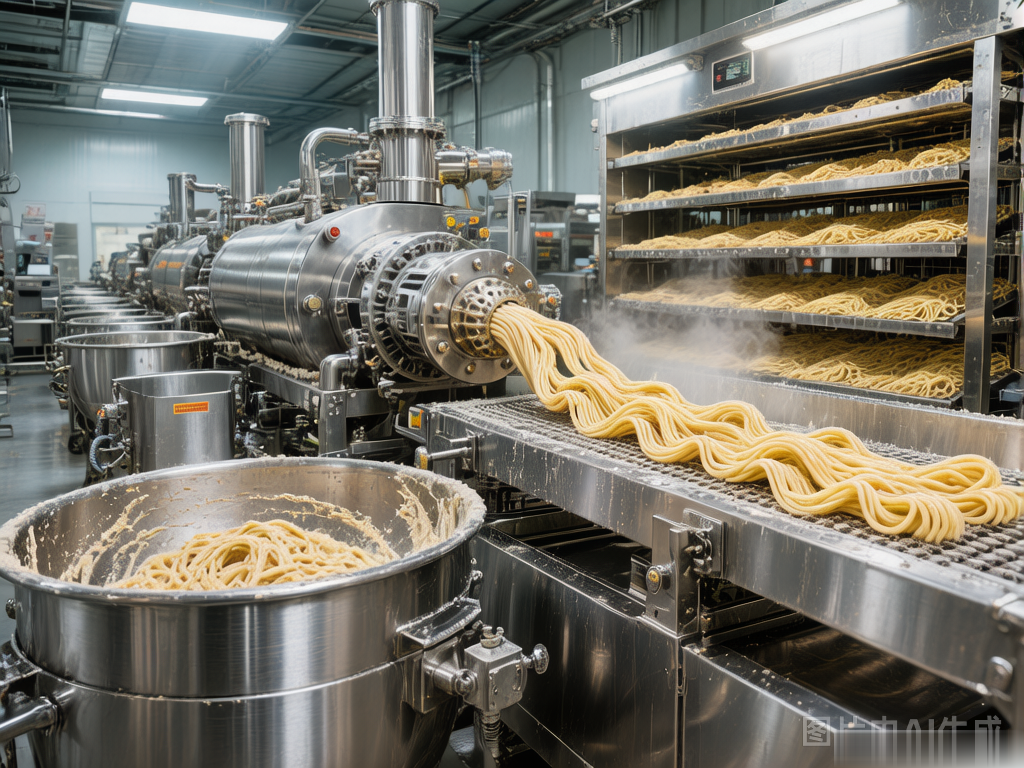
Dry pasta lines include a mixer, extruder, pre-dryer, and drying tunnel that reduces moisture to 10–12% for long shelf life (2–3 years). These are the workhorses of commercial pasta manufacturing, operating continuously for 8–24 hour shifts. The drying process is the most critical and energy-intensive stage, requiring precise temperature and humidity control.
| Component | Function | Price Range |
|---|---|---|
| Dough Mixer | Mix semolina/flour with water | $2,000–$15,000 |
| Vacuum Extruder | Form pasta shapes under vacuum | $8,000–$80,000 |
| Spreader/Hanging Unit | Arrange pasta for drying | $3,000–$15,000 |
| Pre-Dryer | Initial moisture reduction | $5,000–$25,000 |
| Drying Tunnel | Final drying to 10–12% moisture | $10,000–$80,000 |
| Cooling Conveyor | Cool before packaging | $2,000–$10,000 |
| Packaging Machine | Weigh, bag, and seal | $5,000–$30,000 |
3. Instant Noodle Production Lines
Instant noodle lines produce the pre-cooked, fried or air-dried noodles found in cup and packet noodle products. For a full plant-setup walkthrough of this line type, see the instant noodle production line guide. The process includes dough mixing, sheet rolling, steaming, cutting/waving, frying (or hot air drying), cooling, and packaging. These are high-volume, capital-intensive lines typically operated by large food manufacturers.
| Specification | Budget Line | Standard Line | Premium Line |
|---|---|---|---|
| Capacity | 500–1,000 kg/h | 1,000–3,000 kg/h | 3,000–5,000+ kg/h |
| Total Length | 25–35 meters | 35–50 meters | 50–80+ meters |
| Workers Required | 4–6 | 6–10 | 10–15 |
| Total Power | 50–100 kW | 100–200 kW | 200–400+ kW |
| Price Range | $30,000–$80,000 | $80,000–$200,000 | $200,000–$500,000+ |
4. Asian Noodle Machines (Ramen, Udon, Rice Noodles)
Asian noodle machines use sheet-rolling technology rather than extrusion. Dough is rolled into thin sheets and cut into strands of various widths. Rice noodle machines add a steaming step to gelatinize the rice starch. These machines handle wheat-based (ramen, udon), buckwheat (soba), and rice-based (vermicelli, ho fun) noodle varieties.
| Noodle Type | Machine Type | Capacity | Price Range |
|---|---|---|---|
| Wheat Noodles (ramen/udon) | Sheet roller + cutter | 100–800 kg/h | $5,000–$50,000 |
| Rice Noodles | Sheet roller + steamer | 100–500 kg/h | $8,000–$60,000 |
| Glass Noodles (sweet potato) | Extruder + dryer | 100–500 kg/h | $10,000–$80,000 |
| Wonton/Dumpling Wrappers | Sheet roller only | 100–400 kg/h | $3,000–$20,000 |
Key Features to Evaluate
| Feature | Why It Matters | What to Look For |
|---|---|---|
| Die Material | Affects pasta surface texture | Bronze (rough, sauce-holding) or Teflon (smooth) |
| Vacuum Extrusion | Removes air bubbles for denser pasta | Vacuum pump rated to -0.09 MPa |
| Material Quality | Food safety and durability | 304/316 SS for all food-contact parts |
| Control System | Consistency and ease of operation | PLC + HMI touchscreen, recipe storage |
| Drying System | Product quality and shelf life | Multi-zone temperature/humidity control |
| Easy Cleaning | Hygiene and reduced downtime | Quick-disassembly auger, CIP capability |
| Safety Features | Worker protection | Emergency stops, guards, overload protection |
| Voltage Options | Compatibility with local grid | 220V/380V/415V, 50/60Hz options |
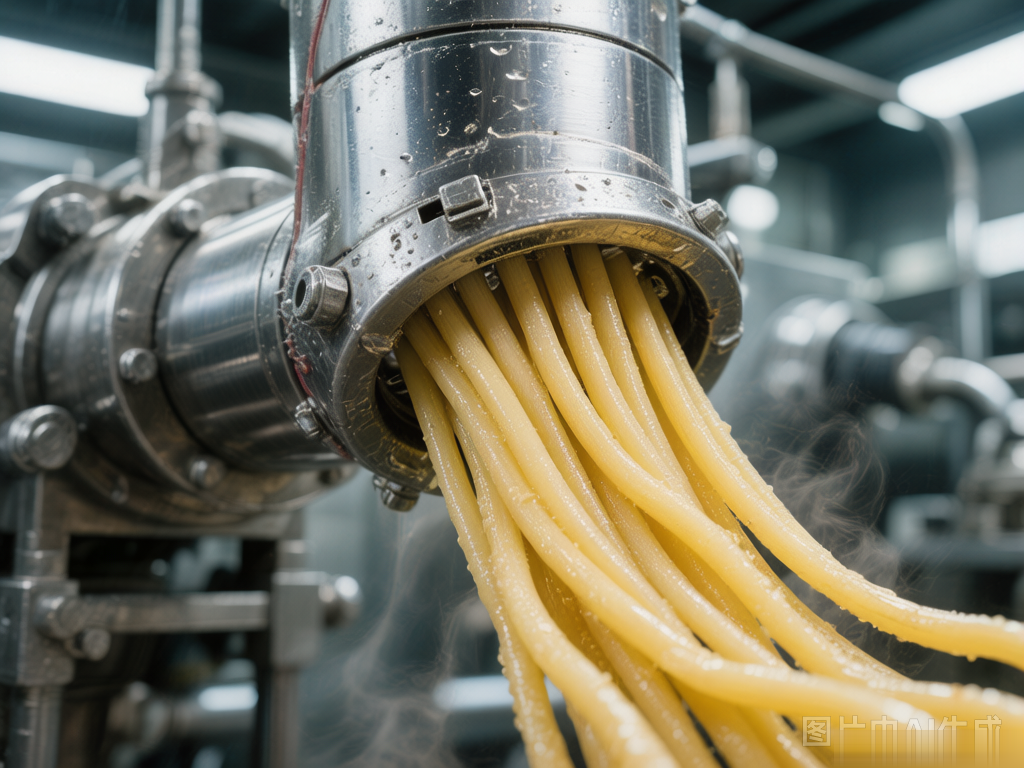
Bronze Die vs. Teflon Die Comparison
| Attribute | Bronze Die | Teflon Die |
|---|---|---|
| Surface Texture | Rough, porous | Smooth, glossy |
| Sauce Adhesion | Excellent | Good |
| Pasta Color | Opaque, traditional | Translucent, bright |
| Production Speed | Slower (more friction) | Faster (less friction) |
| Durability | 3–6 months typical | 12–18 months typical |
| Price | $100–$500 per die | $200–$800 per die |
| Best For | Artisan, premium pasta | Mass-market, long-cut pasta |
Raw Material Requirements
| Product Type | Primary Flour | Water Content | Other Ingredients |
|---|---|---|---|
| Italian Dry Pasta | Durum wheat semolina | 28–32% in dough | None (traditional) |
| Fresh Egg Pasta | 00 flour or semolina | 25–30% | Eggs (20–30% by weight) |
| Instant Noodles | Wheat flour | 30–34% | Salt, kansui (alkaline), oil |
| Ramen Noodles | Wheat flour | 30–35% | Kansui, salt, eggs (optional) |
| Rice Noodles | Rice flour | 35–45% | Water, sometimes tapioca starch |
Cost Analysis by Production Type
| Cost Category | Fresh Pasta (200 kg/h) | Dry Pasta (500 kg/h) | Instant Noodle (1,000 kg/h) |
|---|---|---|---|
| Equipment Investment | $10,000–$30,000 | $40,000–$120,000 | $80,000–$300,000 |
| Raw Material Cost/kg | $0.60–$1.00 | $0.50–$0.80 | $0.40–$0.70 |
| Packaging Cost/kg | $0.10–$0.30 | $0.08–$0.20 | $0.05–$0.15 |
| Energy Cost/kg | $0.02–$0.05 | $0.05–$0.10 | $0.08–$0.15 |
| Labor Cost/kg | $0.10–$0.30 | $0.05–$0.15 | $0.03–$0.10 |
| Selling Price/kg | $3.00–$8.00 | $1.50–$4.00 | $1.00–$2.50 |
| Gross Margin/kg | $1.35–$5.98 | $0.27–$2.67 | $0.00–$1.34 |
Frequently Asked Questions
Can one machine produce both pasta and noodles?
Some multi-purpose machines can produce both, but with limitations. Extruder-type machines can make Italian pasta shapes and some noodle types. Sheet-roller machines are better for flat Asian noodles but cannot make shaped pasta (penne, fusilli, etc.). For a business focused on both product types, it is usually better to invest in two specialized machines rather than one compromise solution. The quality and efficiency of dedicated machines significantly outperform multi-purpose units.
What is the difference between vacuum and non-vacuum extruders?
Vacuum extruders remove air from the dough during the extrusion process, resulting in denser, more uniform pasta with fewer bubbles. Vacuum-extruded pasta cooks more evenly, has better texture (al dente bite), and dries more consistently. Non-vacuum extruders are less expensive but produce pasta with micro-air pockets that can cause cracking during drying and uneven cooking. For commercial production targeting quality-conscious markets, vacuum extrusion is strongly recommended.
How long does it take to install and commission a pasta line?
Installation and commissioning typically takes 1–4 weeks depending on the line complexity. A small fresh pasta machine can be set up in 1–2 days. A complete dry pasta line requires 1–2 weeks for installation, plumbing, and electrical work, plus another week for commissioning, testing, and operator training. Instant noodle lines may take 2–4 weeks. Most Chinese manufacturers include installation supervision and training in their quotations.
What packaging options are available for pasta products?
Common packaging formats include vertical form-fill-seal (VFFS) bags in polypropylene or laminated film, pillow bags with window, flow-wrapped trays for fresh pasta, cardboard boxes with inner bag, and cups/bowls for instant noodles. Automatic packaging machines for pasta typically include a multi-head weigher for accurate portioning, a VFFS bagger for bag formation, and an inkjet coder for date/lot marking. Budget $5,000–$30,000 for a complete packaging system.
Conclusion
Choosing the right pasta and noodle making machine is a critical investment decision that directly impacts product quality, production efficiency, and profitability. Whether you are starting a fresh pasta business with a compact extruder or building an instant noodle factory with a fully automated line, matching your equipment to your product type, target market, and production volume is essential for success.
Browse our complete selection of commercial pasta and noodle making machines at food-processing-machine.com. Our engineering team provides free consultation to help you select the right equipment for your specific products and production goals. Contact us at food-processing-machine.com/contact for detailed specifications and pricing.