Industrial Heat Pump Dryer
A closed-loop heat pump moves moisture out at 10–75°C — drying that keeps color, aroma, and actives intact while cutting energy use to a fraction of open hot-air systems. Typical range, configurable per recipe.
This site uses cookies for analytics and to improve your experience. By clicking Accept, you consent to our use of cookies. Learn more in our privacy policy.

A closed-loop heat pump moves moisture out at 10–75°C — drying that keeps color, aroma, and actives intact while cutting energy use to a fraction of open hot-air systems. Typical range, configurable per recipe.
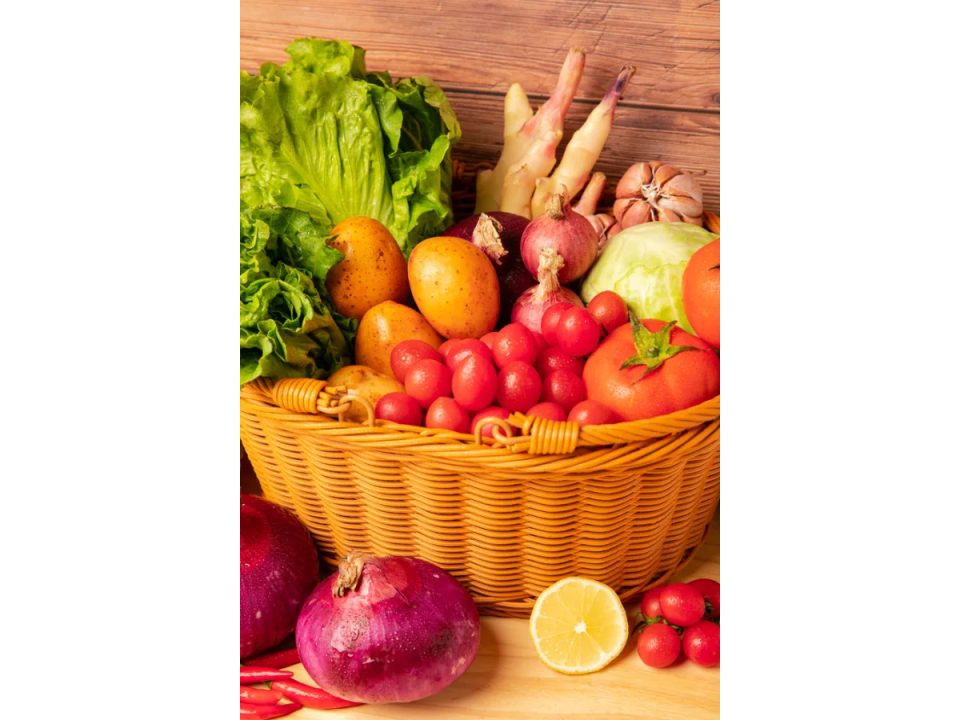
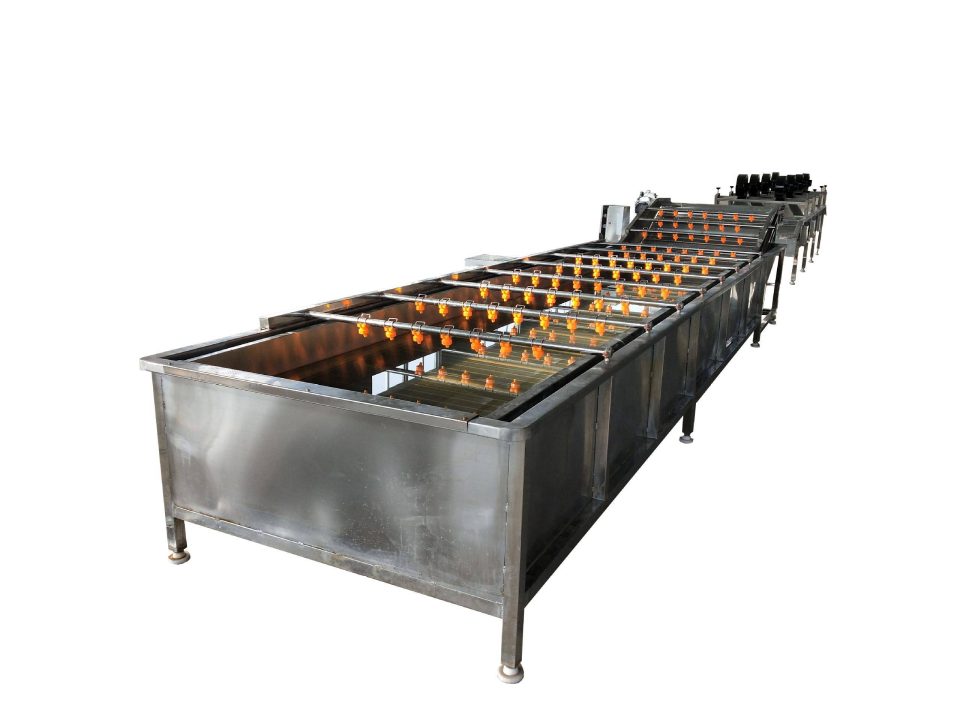
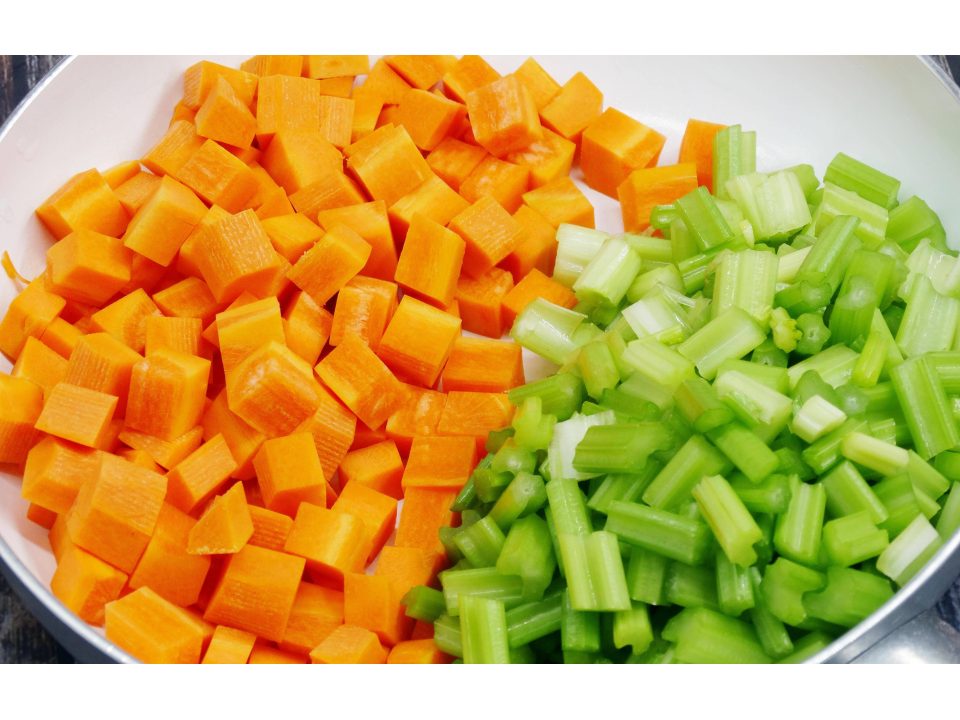
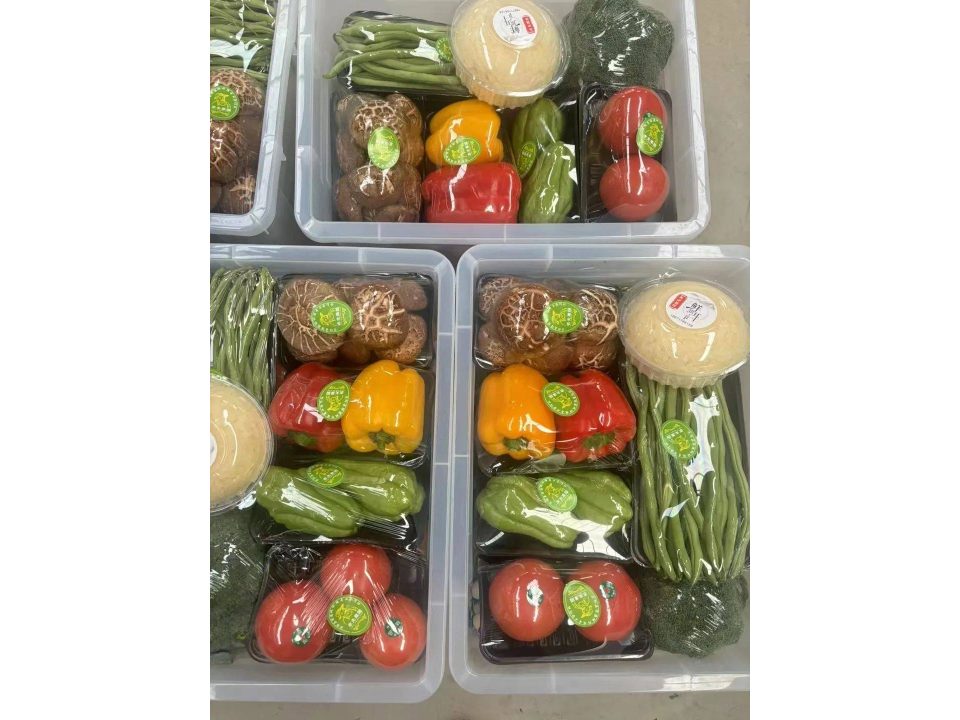
The HPD series heat pump dryer removes water from food using a closed refrigeration loop instead of an open heating element. Air circulates through the drying chamber, picks up moisture, then passes over a cold evaporator coil where the water condenses out and drains. The dried, reheated air re-enters the chamber. Nothing is vented to the room; no energy leaves with exhaust air.
The result: a drying process that runs at 10–75°C, holds uniform temperature across every tray, and typically consumes 50–70% less energy per kilogram of water removed than straight electric heating. For heat-sensitive products — fruit slices, herbs, mushrooms, fish, and anything where color and aroma carry the price — low-temperature drying is not a luxury; it is what keeps the product out of the commodity bin.
Esper builds three drying technologies — plus a fourth for premium sublimation work, the FDL freeze dryer. This page is honest about which one fits which job.
| HPD heat pump | HAD hot air | MFD/MVD microwave | |
|---|---|---|---|
| Drying temperature | 10–75°C | 50–120°C | bulk-heated, fast |
| Energy per kg water removed | lowest (COP 3–4) | medium | high power draw |
| Product color/aroma retention | best | fair at high temp | risk of hot spots |
| Best for | fruit, herbs, mushrooms, fish, sea cucumber | root crops, starch products, pre-drying | finishing, sterilization, short cycles |
| Capital cost per m² tray | medium | lowest | highest |
| Typical batch time | 6–20 h | 4–10 h | 0.5–2 h |
If your product sells on appearance and retains volatile aromatics — mango, banana, jackfruit, chili, medicinal herbs, seafood — the HPD series pays for itself in both energy and grade recovery. If you dry potato, cassava, or grain at high volume and low margin, the HAD hot-air line is the cheaper machine. Many plants run both: hot air for bulk reduction, heat pump for finish drying, and microwave sterilization for the final kill step.
Chambers are insulated SUS304 panel rooms built around trolley-and-tray handling. Feed-side preparation — washing, peeling, cutting — pairs with our washing-peeling line and bubble vegetable washer; the whole drying family sits on the fruit & vegetable processing hub.
Values below are typical ranges; exact figures are set per chamber size and your ambient climate (hot/humid sites need larger condenser capacity — we size against your weather data).
| Parameter | HPD-101 compact | HPD-001 standard | HPD-201 industrial |
|---|---|---|---|
| Tray area | 20–40 m² | 50–100 m² | 100–200 m² |
| Water removal | 30–60 kg/batch | 80–200 kg/batch | 200–450 kg/batch |
| Installed power | 5–9 kW | 12–20 kW | 25–45 kW |
| Temperature range | 10–75°C | 10–75°C | 10–75°C |
| Trolleys | 2–4 | 5–10 | 10–20 |
| Batch time (typical) | 6–16 h | 8–20 h | 10–20 h |
| Chamber footprint | 8–15 m² | 18–35 m² | 40–80 m² |
A heat pump moves 3–4 units of heat per unit of electricity (COP 3–4). Electric element heating moves 1:1. On a 100 kg water-removal batch at US$0.10 per kWh, that difference is roughly 100 kWh versus 350–400 kWh per batch — the gap compounds daily on multi-shift plants. Against diesel or LPG heating the saving is wider where fuel is imported.
Because the loop is closed, the HPD also recovers the latent heat of condensation — the energy released when moisture condenses on the evaporator is what re-heats the air. This is the physical reason a well-built heat pump dryer cannot be matched on energy by any vented design.
Fruit: mango, banana, jackfruit, pineapple, apple, kiwi, dragon fruit | Vegetables: chili, okra, mushroom, onion, garlic, leafy greens | Herbs & medicinal: moringa, ginseng, herbal powders | Marine: fish, shrimp, sea cucumber, shellfish | Meat: jerky, sausage (semi-dried), pet treats
Send your raw material, entry moisture, and target exit moisture — we return a tested recipe curve, batch time, and throughput calculation before you commit. More category context in the dry-food application overview.
Loading is 4–8 kg fresh product per m² of tray area depending on piece size. A 60 m² standard chamber holds 300–450 kg fresh; at a 4:1 drying ratio that is 75–110 kg dried product per batch.
Yes. The PLC starts staged recipes on a timer. Batch times of 8–20 h line up well with off-peak windows.
Coil cleaning (monthly), fan bearing checks (quarterly), refrigerant circuit inspection (annual). Sealed compressors are pre-charged at the factory; field re-gassing is not part of normal operation.
Yes — the loop dehumidifies regardless of ambient humidity. Humid sites need the next condenser size up; we size against your site’s wet-bulb data at quotation.
Sun drying is free but weather-dependent, exposes product to dust, insects, and livestock, and gives no temperature record for buyers. HPD drying produces a consistent, documented, export-grade product year-round — the price premium on dried fruit exports routinely covers the machine within 1–2 seasons.
50–100 mm PU panel walls are standard; heated-climate and cold-climate panel specs differ — specify your site at order.
CE on the electrical/refrigeration package, material certificates for food-contact stainless, and English manuals with wiring diagrams. Third-party inspection on request.
25–40 days for standard chambers; trolleys and trays ship knocked-down inside the chamber to cut freight. The HPD-001 standard chamber packs into one 20-ft container.

 7 * 24 Support
 Remote Support
 Global Coverage