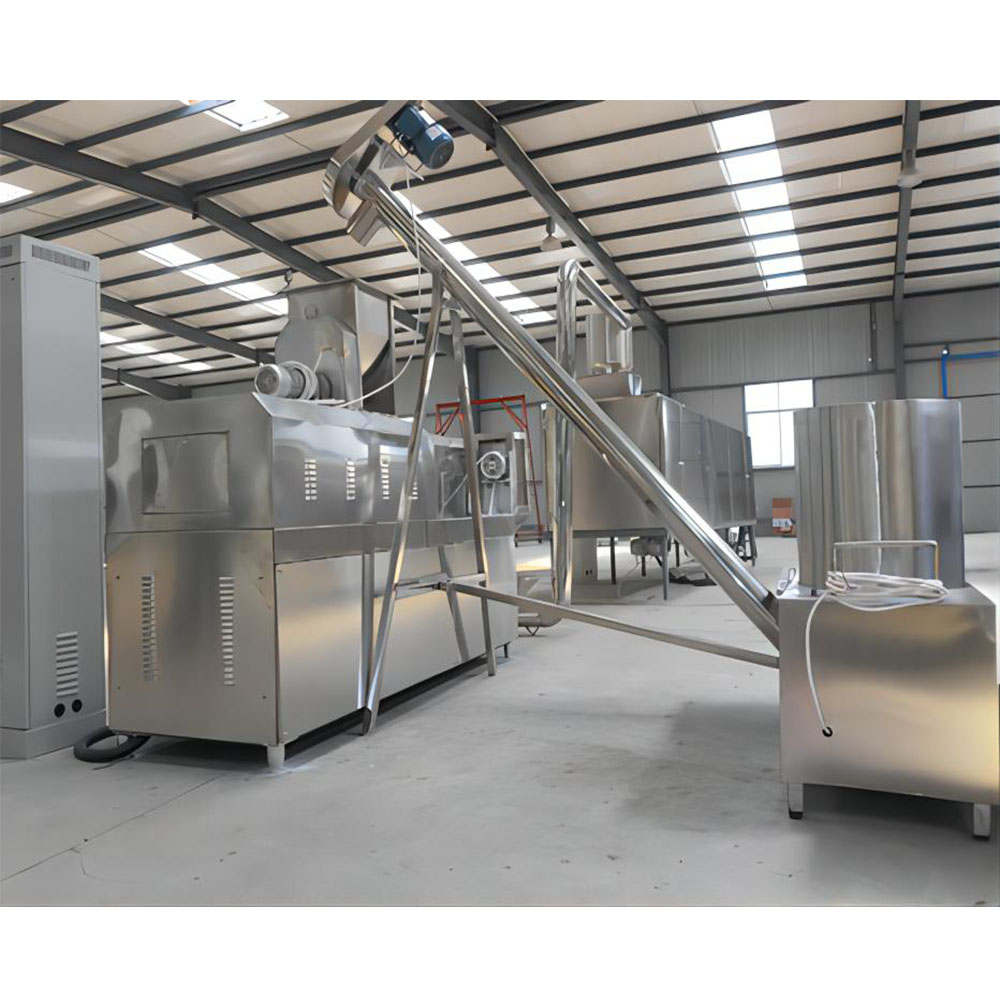
Onion Processing Plant Setup: Equipment and Cost
Setting up an onion processing plant requires a clear understanding of the equipment required for each production stage, the engineering choices that affect yield and labor, and the capital, operating, and working-capital costs that shape your payback period. This buyer guide explains the machine lineup, layout, and economics for onion ring, diced onion, and onion paste production lines, with reference to the AOP-001 peeler, ORC-001 root cutter, and the ONL-701 complete onion processing line offered by Esper Foodtech.
- Onion processing economics are driven by raw material loss (skin, root, top), labor cost per ton, and finished-product market price in your destination market.
- For most B2B buyers in India, the Middle East, and Africa, a semi-automatic line based on the AOP-001 peeler plus ORC-001 root cutter is the most common entry configuration.
- The ONL-701 complete line adds slicing, dicing, blanching, and packaging modules for plants producing frozen rings, dehydrated flakes, or chilled paste at 1 to 5 tons per hour.
- Equipment cost typically represents 40 to 55 percent of the total project budget; building, utilities, working capital, and import duties make up the balance.
- Pricing varies by configuration, scope of automation, and destination country duties; figures in this guide should be treated as planning estimates (verify for your market).
Why Does Onion Processing Is a Growing Segment?
Onion is one of the highest-volume vegetable commodities traded across India, the Middle East, Africa, and parts of the CIS. Processed formats such as peeled bulbs, onion rings, diced onion, and onion paste serve foodservice chains, institutional kitchens, ready-meal manufacturers, and spice and seasoning companies. Demand for pre-cut and semi-prepared onion products has grown steadily as quick-service restaurant expansion, central kitchens, and frozen food distribution continue to develop in the target regions.
Processing raw onion at the point of consumption reduces shelf-life risk, transport weight, and labor at the kitchen level, while also allowing processors to convert seasonal gluts into shelf-stable products such as onion powder, fried onion flakes, and pasteurized paste. The economics are most favorable where raw onion is abundant and low cost during harvest, but volatile in price during the off-season, which is the case across most of South Asia and the Middle East.
End Products and Their Equipment Requirements
Different finished products call for different processing routes, even though the front-end stages (sorting, peeling, root cutting) are shared. Selecting your target product mix early in the planning stage prevents over- or under-investment in equipment.
Peeled Whole Onion. Whole peeled bulbs are sold to foodservice and catering buyers who use them as a prep ingredient. The critical machine is a peeler such as the AOP-001, typically combined with the ORC-001 root cutter to remove the hard basal plate. Peeled onion has a short chilled shelf life, so this format suits plants with strong local distribution.
Onion Rings. Rings are produced by transverse slicing of large, uniform bulbs, followed by battering, breading, frying, and IQF (individually quick frozen) freezing. A slicing attachment and downstream coating and freezing equipment are required beyond the peeling stage.
Diced Onion. Diced onion is a high-volume format used in ready meals, sauces, salsas, and foodservice prep. It requires a dicing machine after peeling, and for chilled or frozen distribution, a blanching and cooling step to preserve color and reduce microbial load.
Onion Paste. Paste is produced by milling peeled and chopped onion, typically with a colloid mill or a high-shear mixer. The paste is then pasteurized and packed in pouches, tubs, or aseptic bags. Paste lines require more sanitary-grade piping and CIP (clean-in-place) provisions than dry cut lines.
Core Equipment in an Onion Processing Plant
A typical onion processing plant is built from modular stages. You can start with a minimal peeling and cutting cell and add slicing, dicing, blanching, freezing, and packaging modules as demand grows. The following stages are present in nearly every configuration.
Receiving and Sorting. Incoming bulbs are unloaded, weighed, and inspected on a sorting conveyor to remove damaged, sprouted, or rotten onions and foreign matter. Manual sorting on a roller conveyor is common; optical sorting is an upgrade for larger lines.
Peeling (AOP-001). The AOP-001 onion peeler uses a combination of mechanical friction and air-blowing to remove the dry outer skins without water. Dry peeling is preferred in regions where water is scarce and where wastewater discharge is restricted. The machine typically handles a range of bulb diameters and can be adjusted for batch or continuous feeding.
Root and Top Cutting (ORC-001). The ORC-001 onion root cutter removes the basal plate and (where applicable) the top shoot of each bulb. Accurate root removal improves the appearance and shelf life of peeled whole onion and reduces the risk of dark root fragments in diced and paste products, which is a frequent complaint from foodservice buyers.
Slicing. For onion rings, a centrifugal or gravity-fed slicer produces uniform transverse cuts. Blade pitch determines ring thickness, which in turn affects frying time and yield. Slice thickness should be matched to the buyer’s specification, especially for frozen-ring contracts.
Dicing. Dicing machines cut peeled onion into uniform cubes, commonly 6 mm, 8 mm, or 10 mm. The cutting grid is changed to switch between dice sizes. Clean cuts with sharp blades minimize cell rupture and therefore reduce water loss and microbial risk in chilled product.
Blanching and Cooling. Blanching in hot water or steam deactivates enzymes that cause browning and off-flavors in frozen and chilled onion. A blancher is followed by a cooling flume or air cooler to stop the cooking process before freezing or packing.
Freezing. For frozen products, IQF freezing preserves piece identity and reduces ice crystal damage. Belt freezers and fluidized bed freezers are both used for onion; the choice depends on line capacity and piece size.
Milling for Paste. Onion paste is produced using a colloid mill or a high-shear milling system after pre-chopping. Paste lines require stainless-steel contact parts, smooth welds, and clean-out access to meet hygienic design standards expected by industrial buyers.
Packaging. Peeled and cut onion is packed in food-grade poly bags, vacuum pouches, or modified atmosphere packs. Frozen product is packed in retail poly bags or foodservice cartons. Paste is packed in pouches, jars, or aseptic bags depending on the distribution channel.
Reference Specifications
The table below summarizes the headline specifications of the three reference machines most commonly specified for entry-level and complete onion processing plants. Actual capacity depends on bulb size, variety, and operator skill, and final specifications should be confirmed in the equipment data sheet (verify for your market).
| Model | Function | Typical Capacity | Power | Notes |
|---|---|---|---|---|
| AOP-001 | Onion peeling, dry process | 300 to 800 kg/h | ~1 to 2 kW | Low water use, suitable for dry regions |
| ORC-001 | Root and top cutting | 300 to 600 kg/h | ~0.5 to 1 kW | Improves appearance and shelf life |
| ONL-701 | Complete onion processing line | 1,000 to 5,000 kg/h | Line dependent | Configurable for rings, dice, paste |
Plant Layout and Utilities
A well-planned layout improves labor productivity, food safety, and cleanability. Onion processing plants are usually organized along a linear flow: receiving at one end, finished packaging at the other, with the processing equipment arranged in a single direction to avoid cross-contamination between raw and finished zones.
Building Requirements. A processing hall for a 1 to 2 ton per hour line generally requires 200 to 400 square meters of food-grade floor area, plus separate spaces for raw material storage, packaging material storage, cold storage, and a small quality control corner. Floors should be sloped to stainless-steel drains, walls should be washable, and ceiling heights should allow for utility routing and equipment maintenance.
Cold Chain. Peeled, diced, and paste products require chilled or frozen storage. A chilled holding room at 0 to 4 degrees Celsius and a frozen storage room at minus 18 degrees Celsius are typical for plants serving foodservice and retail buyers. Cold storage sizing should match daily throughput and expected distribution cycle.
Water and Wastewater. Although the AOP-001 peeler is a dry-peeling unit, washing, blanching, and cleaning steps still consume water. Onion wastewater has high organic load from soluble sugars and sulfur compounds; effluent treatment or a holding and discharge agreement with the local authority may be required before commissioning.
Compressed Air. Dry-peeling machines and some packaging equipment use compressed air. A small oil-free compressor with adequate filtration is normally sufficient for a 1 to 2 ton per hour line.
Power. Plant power demand is modest compared with dairy or meat plants, but reliable three-phase supply is required. Buyers in regions with unstable grids should plan for backup generation sized to cover the peeler, cutters, refrigeration, and lighting simultaneously.
Plant Cost Breakdown
The total cost of an onion processing plant is the sum of equipment, civil works, utilities, working capital, and soft costs such as commissioning, training, and import duties. The share of each component varies, but the following ranges apply to most small and medium onion processing projects in the target regions (verify for your market).
Equipment. Equipment is typically the single largest line item. A semi-automatic peeling and cutting cell built around the AOP-001 and ORC-001 is the lowest-cost entry configuration. Adding slicing, dicing, blanching, freezing, and packaging modules to reach a complete ONL-701 line substantially increases capital outlay but reduces labor per ton.
Civil Works. Building adaptation or new construction, including food-grade flooring, drainage, wall finishes, lighting, and partition walls, can equal 15 to 25 percent of the project cost. Costs vary widely by location, especially between India and the Gulf region.
Utilities and Cold Storage. Chilled and frozen rooms, refrigeration compressors, water system, compressed air, electrical panels, and backup power together can account for 10 to 20 percent of the total.
Working Capital. Onion is a cash crop at the farm gate. Procuring raw material during the harvest window, holding frozen or chilled inventory, and managing payment cycles with foodservice buyers tie up working capital that is often underestimated. Plan for at least two months of operating expenses plus one raw-material procurement cycle.
Soft Costs. Freight, insurance, import duty, installation, commissioning, operator training, and food safety certification (HACCP, ISO 22000, or local equivalents) should be budgeted explicitly. Import duties and clearance charges in some Middle East and African markets can materially change the landed equipment cost.
The table below provides indicative budget ranges for three reference plant sizes. Figures are planning estimates only and exclude land purchase, tax incentives, and any grant funding; final quotes should be obtained from Esper Foodtech based on the chosen configuration and destination (verify for your market).
| Plant Size | Capacity | Core Equipment | Indicative Budget (USD) |
|---|---|---|---|
| Small entry cell | 300 to 800 kg/h | AOP-001 + ORC-001 | 25,000 to 60,000 |
| Semi-automatic line | 500 to 1,500 kg/h | Above plus slicer, dicer, packaging | 80,000 to 200,000 |
| Complete line (ONL-701) | 1,000 to 5,000 kg/h | Full ring, dice, or paste line | 250,000 to 900,000+ |
Budget ranges shown are wide because the same nominal capacity can be served by manual, semi-automatic, or fully automatic equipment, and because food safety, automation level, and refrigeration scope vary substantially between projects.
Operating Cost Drivers
Capital cost is only part of the economics. Operating costs determine the unit cost of the finished product and therefore the competitiveness of the plant in its market.
Raw Material. Onion raw material is typically the largest single cost, representing 50 to 70 percent of finished product cost. Yield is critical: peeling and root cutting remove roughly 15 to 25 percent of incoming weight depending on variety and bulb shape. Slicing and dicing add further trim loss. Varieties with high solids and good shape improve finished yield.
Labor. A semi-automatic line based on the AOP-001 peeler requires fewer operators than manual peeling, but sorting, feeding, inspection, and packaging remain labor-intensive. Labor cost per ton is one of the strongest reasons for moving from manual to machine peeling.
Energy. Refrigeration is the largest energy consumer for chilled and frozen plants, followed by blanching and freezing. A reliable electricity tariff forecast should be part of the feasibility study.
Packaging. Packaging material is a recurring cost that is often underestimated at the planning stage. Multi-layer vacuum pouches, MAP trays, and IQF cartons each carry different unit costs and influence retail appearance.
Yield Loss and Waste. Onion skins and trim can be sold or processed into animal feed, onion powder, or flavor extracts where a market exists. Waste valorization improves overall plant economics and reduces disposal cost.
Product-Specific Economics
The three main finished product families have different capital intensity, yield, and selling price, which together drive distinct payback profiles.
Onion Ring Economics. Ring production requires slicing, coating, frying, and freezing equipment beyond the peeling and cutting cell. Capital intensity is the highest of the three formats. Rings target quick-service and frozen retail channels, which tend to offer higher unit prices but require consistent quality, ring diameter, and batter adhesion.
Diced Onion Economics. Dicing lines have moderate capital intensity and high throughput, which makes diced onion a strong candidate for plants serving institutional buyers and ready-meal producers. Chilled diced onion has a short shelf life, which favors plants close to their end customers; frozen diced onion allows wider distribution.
Onion Paste Economics. Paste lines require milling and pasteurization equipment plus hygienic piping. Capital intensity is moderate to high. Paste is popular in institutional and foodservice channels in India and the Middle East, and it allows use of smaller or off-spec bulbs that would not suit ring or dice production, which can improve overall plant yield.
Choosing the Right Configuration
Buyers often ask whether to start small and expand or to invest in a complete ONL-701 line from day one. The right answer depends on the strength of offtake contracts, access to working capital, and operator experience. Where offtake is contracted with a foodservice or retail buyer, a complete line with refrigeration from the start is usually justified. Where the buyer is testing the market or supplying local restaurants, starting with the AOP-001 peeler and ORC-001 root cutter and expanding as volumes grow is a more conservative path.
A phased approach also allows the plant to build operator skill, food safety discipline, and a customer base before taking on the higher fixed cost of a full line. Many successful onion processors in India and the Middle East have grown in this way.
Food Safety and Compliance
Buyers in the Middle East and increasingly in India and Africa expect processed onion suppliers to operate under documented food safety systems. HACCP, ISO 22000, FSSC 22000, or equivalent local certifications are commonly required by foodservice and retail customers. The processing line should be designed for cleanability: stainless-steel contact parts, accessible welds, CIP provisions on paste lines, and clear separation of raw and finished zones.
Traceability from incoming lot to finished pack is increasingly expected by industrial buyers and should be supported by simple batch records even on a semi-automatic line. Refrigeration temperature records, blanching temperature and time records, and metal detection logs are typical minimum documentation for export-oriented plants.
What Are Common Pitfalls in Onion Plant Projects?
Underestimating Raw Material Volatility. Onion prices can swing dramatically within a single season. Plants that plan only on harvest prices often struggle in the off-season. Forward contracts with farmers or cooperatives and a cold storage buffer help manage this risk.
Underestimating Working Capital. Frozen and chilled products tie up cash in inventory. Plants that launch with insufficient working capital often under-utilize equipment during the harvest window.
Overlooking Wastewater. Onion processing wastewater has high biological oxygen demand and a strong odor. Plants in urban or peri-urban locations may face discharge restrictions; planning effluent handling early avoids costly retrofits.
Skipping Operator Training. Peelers, dicers, and mills are sensitive to setup and maintenance. Operator training and a stock of spare blades and wear parts are essential to keep the line running at rated capacity.
Planning tip: prepare a one-page process flow diagram with capacity at each stage before requesting equipment quotations. This single document helps suppliers such as Esper Foodtech propose a matched line and helps you compare offers on a like-for-like basis.
Frequently Asked Questions
Q: What is the typical capacity range for an entry-level onion processing setup?
A: An entry-level cell built around the AOP-001 peeler and ORC-001 root cutter typically handles 300 to 800 kg of raw onion per hour. This is suitable for supplying local foodservice, central kitchens, or institutional buyers, and can be expanded to a full ONL-701 line as demand grows.
Q: How much water does an onion peeling line consume?
A: Dry-peeling machines such as the AOP-001 use very little water for the peeling step itself. Water consumption rises at washing, blanching, and cleaning stages, especially for diced and paste lines. Plants should plan for both water supply and wastewater treatment from the start (verify for your market).
Q: Which end product offers the best return on investment?
A: There is no single answer. Diced onion tends to offer strong throughput and moderate capital intensity; onion rings command higher prices but require frying and freezing equipment; onion paste can use a wider range of raw bulbs and suits institutional buyers. The right choice depends on your offtake contracts and local market prices.
Q: Can a single plant produce rings, dice, and paste?
A: Yes, in principle. A complete ONL-701 line can be configured with slicing, dicing, and milling modules to support multiple formats, although running several products on one line reduces daily output and increases cleaning time. Many plants prioritize one or two formats to keep operations simple.
Q: What is the typical payback period for an onion processing plant?
A: Payback depends heavily on raw material price, finished product price, capacity utilization, and labor cost. As a planning reference, well-run plants often target payback in the range of two to four years, but this varies widely and should be modeled with your own market data (verify for your market).
Q: Do you provide installation, training, and after-sales support?
A: Esper Foodtech supplies the equipment with installation, commissioning, and operator training as part of the project scope, and provides spare parts and technical support after commissioning. The exact scope should be confirmed in the quotation for your specific configuration.
Next Steps
If you are planning an onion processing plant in India, the Middle East, Africa, or a neighboring market, the most useful next step is to prepare a short brief covering your target product (peeled, rings, dice, paste, or a combination), the daily or hourly capacity you want to reach, your main customer channels, and your location. With that information Esper Foodtech can propose a matched equipment list based on the AOP-001, ORC-001, and ONL-701 building blocks, together with an indicative budget and delivery schedule. To request a quotation or to discuss your project in more detail, contact [email protected].
Learn more: cooking oil processing applications
Get a quote: [email protected]