Industrial Oil-Free Air Compressor
Oil-free compressed air for food, pharma, and packaging.
This site uses cookies for analytics and advertising. Accept them all, decline them all, or choose which ones you allow. Learn more in our privacy policy.

Oil-free compressed air for food, pharma, and packaging.
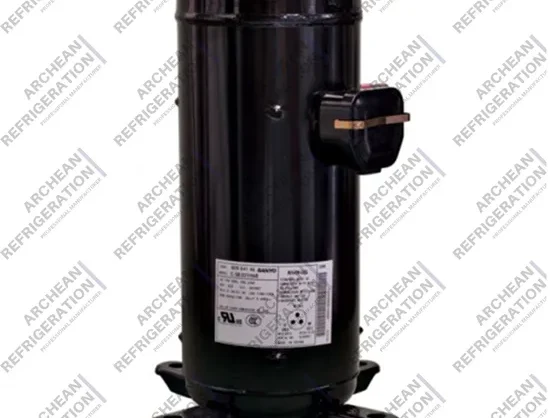
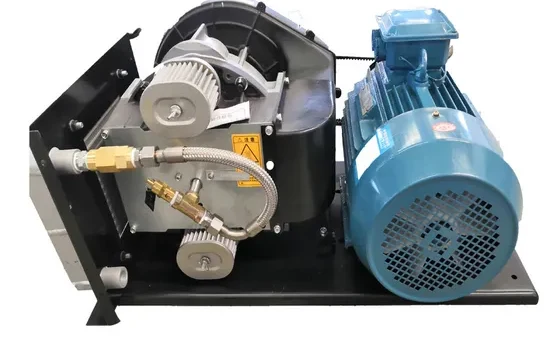
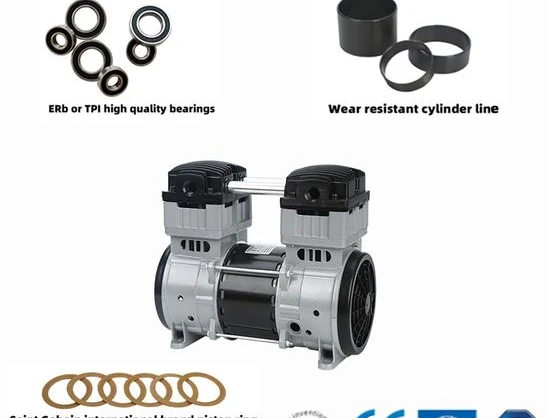
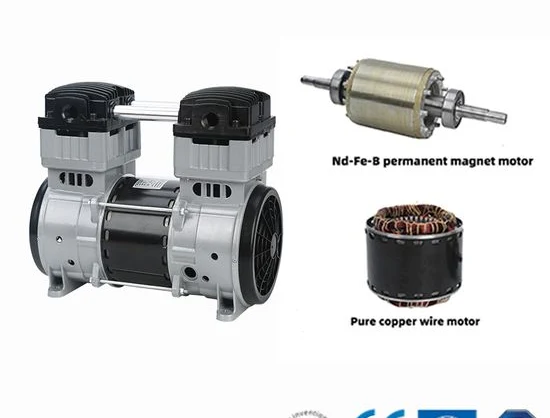
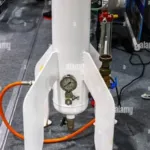
Sample output from the Industrial Oil-Free Air Compressor. Ask us for real production photos matched to your exact product and capacity.




Lorem ipsum dolor sit amet, consectetur adipiscing elit. Ut elit tellus, luctus nec ullamcorper mattis, pulvinar dapibus leo.
Lorem ipsum dolor sit amet, consectetur adipiscing elit. Ut elit tellus, luctus nec ullamcorper mattis, pulvinar dapibus leo.
Packing, filling and laboratory air where oil-free certification is required.
Where air contacts product or packaging, any oil carryover becomes a contamination risk, and oil-free machines remove that risk at the source rather than filtering it out later. The design targets ISO 8573 Class 0 oil purity, the level expected in food and pharmaceutical air. Packing lines, pneumatic conveying, and product blowing are the typical contact points. It is cheap insurance against a recall.
List every air user with its consumption and duty cycle, then add margin for leaks, which typically waste a tenth of generated air. The range covers 0.5 to 20 m3/min, with mid-scale units around 0.8 MPa. Screw machines suit continuous duty; piston machines cost less for small, intermittent demand. We survey your users and quote against the measured profile, including a dryer where needed.
Screw compressors run continuously, quieter and with steadier delivery, which suits production air. Piston compressors cost less for small volumes and intermittent use, such as a single packaging line running in bursts. The real boundary is duty cycle: if the compressor runs most of the shift, screw wins on energy, noise, and wear. Many plants keep piston only for backup or workshop air.
For product-contact air, plan for both. Refrigerated dryers cover general plant air, and desiccant dryers serve applications that need genuinely dry air, such as pneumatic conveying of powder. Filtration is multi-stage, combining particulate, coalescing, and activated carbon, with cartridges on a quarterly change. Skipping the carbon stage is what leaves taste and odor issues in product-contact air.
Quarterly filter replacement and an annual rotor inspection are the core items on a screw unit. Between services, panel monitoring tracks discharge temperature and pressure, the early signs of wear or a blocked filter. Oil-free designs remove oil top-ups and oil analysis from the schedule entirely. Holding a spare filter set on site keeps the quarterly change a short job.
Yes. We provide installation and commissioning support, and 12 months of after-sales service, including spare parts help and technical response.

 7 * 24 Support
 Remote Support
 Global Coverage