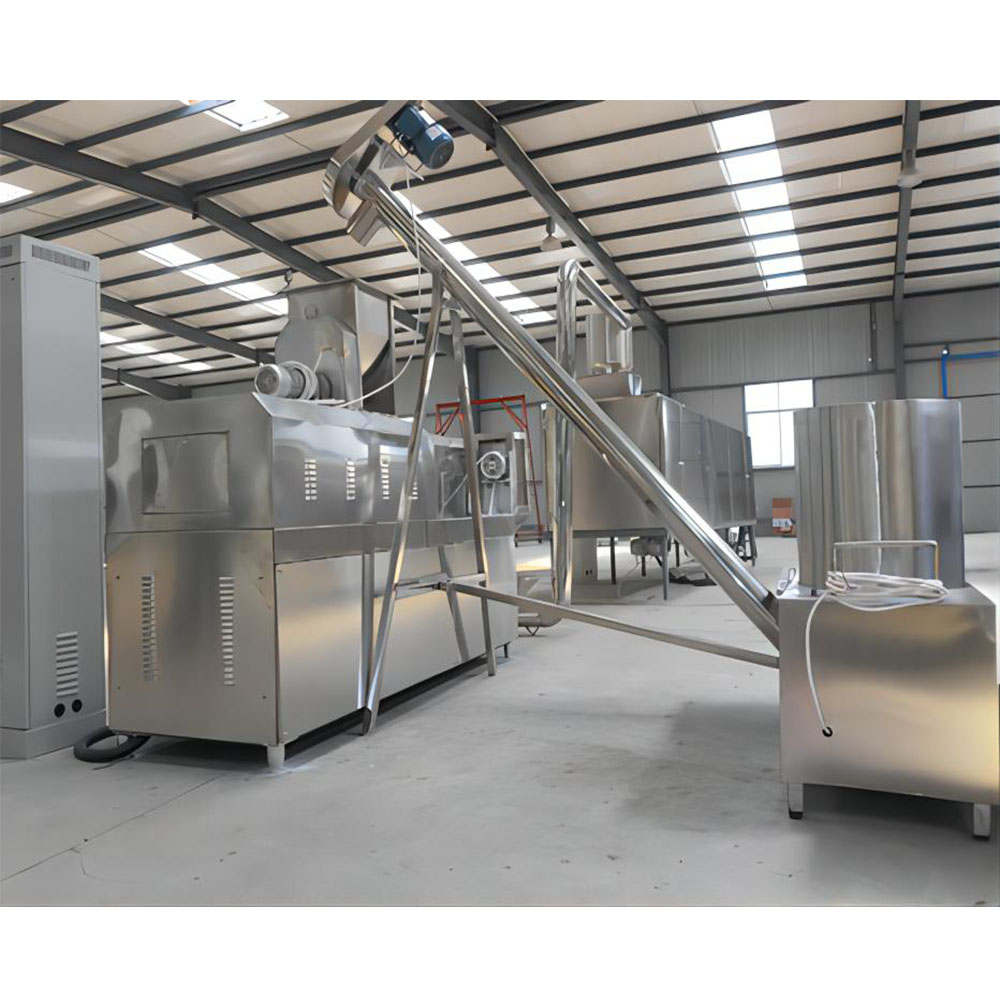
What Is a Complete Yogurt Production Line: From Raw Milk to Finished Cup?
The global yogurt market continues to expand as consumers demand healthier, protein-rich, and functionally enhanced dairy products. For dairy processors looking to enter or scale within this growing segment, investing in a fully integrated yogurt production line is the foundation of consistent quality, regulatory compliance, and profitable output. Esper Foodtech, a brand of food-processing-machine.com, engineers turnkey yogurt processing systems that transform raw milk into shelf-ready cups at capacities ranging from 500 to 10,000 liters per hour. This guide walks through every critical stage, technology choice, and configuration consideration for set and stirred yogurt manufacturing.
Whether you produce traditional cup-set yogurt, drinkable yogurt, Greek-style strained products, or fruit-flavored varieties, the underlying process architecture remains remarkably similar. The differences lie in fermentation management, cooling strategy, and filling technology. Below, we examine each step in depth, including equipment such as the PST-001 pasteurizer, HMG-001 homogenizer, and YGT-001 fermentation system, all designed to deliver precise control over texture, viscosity, and microbial stability.
- A complete yogurt production line integrates milk reception, standardization, pasteurization, homogenization, fermentation, cooling, and filling into one continuous, sanitary system.
- Capacities from 500 L/h pilot lines up to 10,000 L/h industrial plants are available, with modular scaling for future expansion.
- The PST-001 pasteurizer ensures pathogen control and whey protein denaturation critical for yogurt body and mouthfeel.
- The HMG-001 two-stage homogenizer reduces fat globule size, preventing creaming and improving consistency in stirred yogurt.
- The YGT-001 fermentation tank delivers precise temperature control (42 ± 0.5°C) for reproducible incubation profiles.
- Both set (cup-fermented) and stirred (tank-fermented) yogurt formats are supported within the same plant layout with minor diverter modifications.
Milk Reception, Standardization, and Pretreatment
Every yogurt production line begins with raw milk reception, where chilled milk (4°C or below) is collected, weighed, filtered, and stored in stainless steel silos. Milk quality at intake determines final product quality, so Esper Foodtech designs reception systems that include rapid sampling valves, inline filtration, and automated CIP (Clean-in-Place) connections to prevent cross-contamination between deliveries. Bacterial counts above 100,000 CFU/mL at reception typically indicate poor farm-side hygiene and should be rejected, as they compete with starter cultures during fermentation.
Standardization follows reception. Raw milk composition varies seasonally, with fat content typically ranging between 3.5% and 4.2%, and protein between 3.0% and 3.4%. To produce yogurt that meets legal and sensory standards, the fat-to-protein ratio must be controlled. Standardization is achieved using a centrifugal separator that splits milk into skim and cream fractions, which are then recombined in precise proportions. For whole-milk yogurt, target fat is usually 3.5%; for low-fat varieties, 1.5%; and for non-fat styles, below 0.5%. Protein content is often boosted using milk protein concentrate or skim milk powder to reach the 3.8–4.5% range, which gives stirred yogurt its characteristic thickness.
After standardization, the milk base is preheated to 60–65°C in preparation for homogenization. This preheating step also dissolves added ingredients such as stabilizers (pectin, gelatin, starch) and sugars that are part of flavored yogurt formulations. Proper hydration of stabilizers at this stage prevents graininess and syneresis later. The preheated, standardized mix is then routed by positive displacement pump toward the homogenizer and pasteurizer, which together form the thermal core of the line.
Pasteurization with PST-001 and Homogenization with HMG-001
Pasteurization in yogurt production serves two simultaneous purposes: destruction of pathogenic and spoilage microorganisms, and controlled denaturation of whey proteins (especially β-lactoglobulin) that interact with casein micelles to build body and reduce syneresis. The Esper Foodtech PST-001 plate heat exchanger pasteurizer is engineered specifically for yogurt milk, operating at 90–95°C for 5–10 minutes. This high-temperature, long-time profile differs from standard milk pasteurization (72°C/15s) because the goal is not just safety but functional protein modification.
The PST-001 includes regenerative, heating, and cooling sections that recover up to 85% of the thermal energy, dramatically reducing steam and chilled-water consumption. Holding tubes are dimensioned for laminar flow with verified residence time distribution, ensuring every particle receives the full thermal treatment. Automated divert valves activate if the holding temperature drops below setpoint, sending under-treated milk back to the balance tank. This fail-safe is essential for HACCP compliance and for protecting starter culture performance downstream.
Homogenization is performed either before or after pasteurization, depending on the yogurt style. For stirred yogurt, homogenization upstream of pasteurization is standard. The Esper Foodtech HMG-001 high-pressure homogenizer operates at 200–250 bar in two stages. The first stage (180–200 bar) breaks fat globules into sub-micron droplets, while the second stage (40–50 bar) disperses clusters and stabilizes the emulsion. The result is a smooth, creamy mouthfeel, improved water-binding capacity, and a noticeable reduction in free whey during storage. For set yogurt, single-stage homogenization at 150 bar is often sufficient because the gel structure forms in the cup and naturally entraps fat.
| Yogurt Style | Pasteurization Profile | Homogenization Pressure | Incubation Temperature | Final Texture |
|---|---|---|---|---|
| Set Yogurt (Cup-Fermented) | 90°C / 5 min | 150 bar, single-stage | 42°C, 3–4 hours | Firm, gel-like, spoonable |
| Stirred Yogurt (Tank-Fermented) | 95°C / 7 min | 200–250 bar, two-stage | 42°C, 4–5 hours | Creamy, viscous, pourable |
| Drinkable / Ayran Style | 90°C / 5 min | 200 bar, two-stage | 37–40°C, 4–6 hours | Thin, fluid, low viscosity |
| Greek-Style Strained | 95°C / 10 min | 250 bar, two-stage | 43°C, 4 hours + concentration | Dense, spreadable, high protein |
Fermentation: The Heart of the Yogurt Production Line
Fermentation is the defining stage of any yogurt production line, where lactic acid bacteria convert lactose into lactic acid, dropping the pH from 6.7 to approximately 4.4–4.5. This pH drop causes casein micelles to coagulate, forming the three-dimensional gel network that defines yogurt. The Esper Foodtech YGT-001 fermentation system provides the precise temperature control, agitation flexibility, and inoculation accuracy required for reproducible results batch after batch.
Starter culture selection drives both flavor and texture. Traditional thermophilic yogurt uses a 1:1 ratio of Streptococcus thermophilus and Lactobacillus delbrueckii subsp. bulgaricus. The two organisms exist in protocooperation: S. thermophilus produces formate and CO2 that stimulate L. bulgaricus, which in turn liberates amino acids that feed the streptococci. This symbiosis produces the characteristic acidic, slightly acetaldehyde (green apple) flavor profile within a 3–4 hour window at 42°C. For milder, less acidic yogurt, cultures can be rebalanced toward a higher S. thermophilus ratio.
The YGT-001 tank is jacketed for hot-water heating and chilled-water cooling, allowing seamless transitions between incubation and break phases. Temperature is maintained at 42 ± 0.5°C throughout fermentation. Once pH reaches 4.6 (the casein isoelectric point), the cooling phase begins. For stirred yogurt, gentle agitation starts before cooling to break the gel into a smooth body; for set yogurt, the cups are already in the incubation room and are cooled as a unit. Inline pH sensors provide real-time monitoring, automatically triggering cooling at the programmed setpoint, eliminating the risk of over-acidification that produces harsh, whey-off defects.
Choosing between set and stirred yogurt is not just a packaging decision — it changes how the gel is formed, broken, and stabilized. A well-engineered line accommodates both with the same backbone of pasteurization, homogenization, and fermentation equipment, diverging only at the cooling and filling stages.
Cooling, Fruit and Flavor Addition, and Buffer Storage
After fermentation reaches target acidity, rapid cooling to 15–20°C is essential to halt bacterial activity. Slow cooling allows continued acid production, leading to over-tart yogurt and eventual whey separation. In a stirred yogurt yogurt production line, the cooled coagulum is gently pumped through a tubular or plate heat exchanger to a buffer tank. Pump speed, pipe diameter, and valve design are carefully chosen to minimize shear, which can irreversibly thin the product. Esper Foodtech uses positive displacement lobe pumps with frequency-controlled motors to maintain gentle product handling throughout the transfer.
Once in the buffer tank, the yogurt base is ready for the addition of fruit preparations, flavors, colors, and sweeteners. These additions are typically dosed inline using mass-flow meters that ensure ±0.5% accuracy, even with viscous fruit purees containing particulates. The mixing station uses a static mixer or low-shear dynamic mixer to fold the fruit into the yogurt without damaging the gel structure. Cold-chain integrity must be maintained at all times; the yogurt should never rise above 10°C once cooled, to prevent texture breakdown and microbial risk.
For set yogurt, the process is different: cups are filled with the inoculated, pre-fermentation milk base, sealed, and then transferred to the incubation room. After the gel sets at 42°C for 3–4 hours, the entire pallet of sealed cups moves into a blast cooling tunnel that brings the temperature down to 5–8°C over 1–2 hours. The cups are then moved to a cold room for final stabilization before distribution. This batch-style thermal processing of individual cups requires careful airflow engineering to avoid hot spots that would cause uneven fermentation.
Filling, Sealing, and Packaging Options
Filling is the final transformation step in the yogurt production line, and the choice of filler dictates both production speed and package format. Esper Foodtech offers volumetric piston fillers for cup formats (80g, 100g, 150g, 200g, 500g, 1000g), as well as rotary fillers for high-speed operations up to 36,000 cups per hour. Each filler integrates cup denesting, dosing, foil or lid sealing, date coding, and cap application as needed. For stirred yogurt with fruit, dual-dose filling is available, where a bottom layer of yogurt, a middle layer of fruit, and a top layer of yogurt create a visually striking layered cup that commands premium retail positioning.
Aseptic filling is recommended for extended-shelf-life (ESL) products that must travel long distribution chains or remain shelf-stable without refrigeration. In an aseptic line, both the yogurt and the packaging materials are sterilized (the cups by hydrogen peroxide vapor or UV, the yogurt by ultra-high-temperature treatment followed by sterile cooling), and the filling environment is maintained under positive HEPA-filtered air. While capital-intensive, aseptic filling enables distribution into markets where cold-chain reliability is limited, opening new geographic opportunities for the brand.
Secondary packaging — shrink-wrap, multipack trays, cardboard sleeves, or case packing — completes the line. Automated case packers stack sealed cups into retail-ready cases at speeds synchronized with the primary filler. Inline checkweighers, X-ray inspection, and seal-integrity testers provide final quality assurance before palletizing. Data from every inspection station feeds into the line management system, giving the plant operator full traceability from raw milk silo to the shipped pallet.
Capacity, Layout, and Utility Planning
Esper Foodtech’s modular yogurt production line designs cover pilot-scale operations of 500 L/h up to full industrial plants processing 10,000 L/h. The selection of capacity should be driven by realistic demand forecasts, retail SKU strategy, and the working shift pattern. A 2,000 L/h line running two 8-hour shifts with 80% uptime produces approximately 25,000 metric tons of yogurt per year — sufficient for a regional brand or a private-label supply contract. Below is a reference table matching capacity ranges to typical footprint, utility consumption, and product output.
| Line Capacity | Footprint (Length × Width) | Steam Consumption | Cold Water Demand | Annual Output (3-Shift, 300 Days) |
|---|---|---|---|---|
| 500 L/h Pilot Line | 12 m × 6 m | 60 kg/h | 5 m³/h | ~3,000 tons |
| 2,000 L/h Standard | 20 m × 8 m | 220 kg/h | 18 m³/h | ~12,500 tons |
| 5,000 L/h Industrial | 30 m × 12 m | 540 kg/h | 45 m³/h | ~31,000 tons |
| 10,000 L/h Large-Scale | 42 m × 15 m | 1,050 kg/h | 85 m³/h | ~62,000 tons |
Beyond floor space and utilities, the line layout should account for clean utility rooms, CIP skids, starter culture preparation areas, and laboratory space for quality testing. Hygienic zoning is critical — raw milk handling must be physically separated from pasteurized and fermented product areas to prevent cross-contamination. Esper Foodtech’s engineering team follows 3-A, EHEDG, and FDA hygienic design principles throughout, using stainless steel 316L contact surfaces, sloped piping for full drainage, and aseptic-compatible valve arrangements.
How to Ensure CIP, Automation, and Quality?
A modern yogurt production line cannot run profitably without robust Clean-in-Place infrastructure. CIP systems recover rinse water, caustic, and acid solutions, reusing them across multiple cleaning cycles to reduce water and chemical consumption by up to 70%. Each major vessel — pasteurizer, fermentation tanks, buffer tanks, fillers — has dedicated CIP circuits with programmable sequences: pre-rinse, caustic wash at 75°C, intermediate rinse, acid wash at 60°C, final rinse, and optional sterilization. CIP return conductivity sensors verify cleanliness before production resumes.
Automation is delivered through a PLC/SCADA platform that monitors every process variable in real time: temperatures, pressures, flow rates, pH, tank levels, valve positions, and CIP phase. Recipes for each yogurt SKU are stored in the system, allowing rapid changeover between whole, low-fat, fruit, and plain varieties with the push of a button. Batch reports are generated automatically for traceability, capturing every measurement against time stamps for compliance with ISO 22000, FSSC 22000, and local dairy regulations.
Quality control extends beyond instrumentation. Routine testing includes titratable acidity, syneresis measurement (free whey after centrifugation), viscosity using Brookfield or Bostwick methods, sensory panels for flavor and texture, and microbial enumeration for coliforms, yeasts, and molds. Stability testing under accelerated storage (7 days at 10°C) predicts shelf-life behavior before retail launch. A well-designed line should produce yogurt with less than 2% syneresis, viscosity within ±5% of target, and shelf life of 21–28 days under refrigeration.
Frequently Asked Questions
What is the minimum viable capacity to start a yogurt business? For most regional market entries, a 500–1,000 L/h line offers the best balance between capital investment and output. It produces enough volume to supply several retail chains or food-service contracts, while leaving headroom for future expansion. Esper Foodtech designs these pilot lines with modular connections, so additional tanks, fillers, or a larger pasteurizer can be added without replacing the core system.
How long does it take to install and commission a complete yogurt line? From signed contract to first commercial batch, a 2,000 L/h line typically requires 5–7 months. This includes 10–12 weeks of manufacturing, 4–6 weeks of shipping and customs, 4–6 weeks of mechanical installation, and 4–6 weeks of commissioning, validation, and operator training. Larger 10,000 L/h plants can extend to 10–12 months due to longer equipment lead times and more complex utility integration.
Can one line produce both set and stirred yogurt? Yes, with careful design. The shared front end (reception, standardization, pasteurization with PST-001, homogenization with HMG-001) feeds either the stirred-yogurt path (tank fermentation in YGT-001, cooling, buffer, filling) or the set-yogurt path (inoculated milk filled directly into cups, cup incubation, blast cooling). The diverter is at the post-pasteurization stage. Operators switch between formats within a single shift, though cleaning protocols must be observed.
What starter culture format is best for a new plant? Direct Vat Inoculation (DVI) frozen or freeze-dried cultures are now the industry standard for medium and large plants. They eliminate the need for mother-culture propagation, reduce phage contamination risk, and deliver consistent inoculation rates. For smaller artisanal producers, bulk starter propagated from DVI in YGT-001-type tanks remains a viable option, offering cost savings but requiring stricter hygiene protocols.
How do I prevent syneresis (whey separation) in my yogurt? Syneresis is caused by weak gel structure, excessive shear, or temperature abuse. The fix begins upstream: higher pasteurization temperature (95°C) denatures more whey protein, which binds water in the gel. Proper homogenization (200 bar) stabilizes the emulsion. Stabilizer systems (pectin at 0.3–0.5%, gelatin at 0.2–0.4%) reinforce structure. Gentle pumping and filling, combined with uninterrupted cold chain, complete the picture.
What utilities must my facility provide for a yogurt line? A typical 2,000 L/h line requires 6 bar steam (220 kg/h), 4 bar compressed air (50 m³/h), chilled water at 2°C (18 m³/h), and potable water at 15°C (10 m³/h). Electrical load is approximately 120 kW. A reliable drainage system, ideally stainless steel trench drains with steam-cleaning capability, is essential for hygienic operation. Esper Foodtech provides a detailed utility checklist during project engineering.
How much does a complete yogurt production line cost? Pricing varies widely with capacity, automation level, packaging format, and regional sourcing. As a planning reference, turnkey investments typically fall between $400,000 USD for a basic 500 L/h line and $6–9 million USD for a fully automated 10,000 L/h plant with multiple fillers. A formal quotation, including equipment list, installation, commissioning, and training, is provided after detailed requirement gathering.
Get Started with Your Yogurt Project
Building a profitable yogurt production line requires more than equipment — it requires engineering precision, hygienic discipline, and a partner who understands dairy science as deeply as machinery. Esper Foodtech delivers turnkey systems that integrate the PST-001 pasteurizer, HMG-001 homogenizer, YGT-001 fermentation tank, and downstream filling technology into a unified, scalable plant. From 500 L/h pilot launches to 10,000 L/h industrial expansions, every line is engineered for product consistency, regulatory compliance, and lowest total cost of ownership.
Whether your goal is premium cup-set yogurt for retail, stirred fruit yogurt for food service, or drinkable ayran for high-volume distribution, our team is ready to design the configuration that fits your market, your utilities, and your growth trajectory. Contact our dairy engineering desk to begin the conversation — share your target capacity, package format, and yogurt style, and we will deliver a process flow diagram, equipment list, and investment estimate within days. Email [email protected] to start your yogurt production line project with Esper Foodtech.
Learn more: cooking oil processing applications
Get a quote: [email protected]