Industrial Peanut Butter Production Line
From roasting to filling: a complete peanut butter line — roaster, cooler, grinding, mixing, degassing, and filling sized to your shift output in one coordinated scope.
This site uses cookies for analytics and to improve your experience. By clicking Accept, you consent to our use of cookies. Learn more in our privacy policy.

From roasting to filling: a complete peanut butter line — roaster, cooler, grinding, mixing, degassing, and filling sized to your shift output in one coordinated scope.
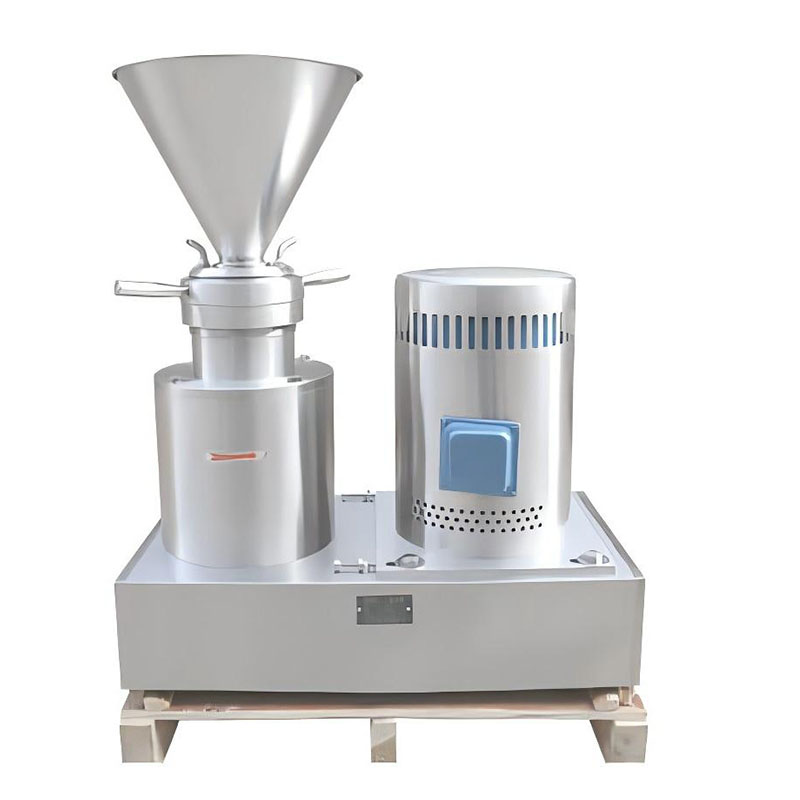
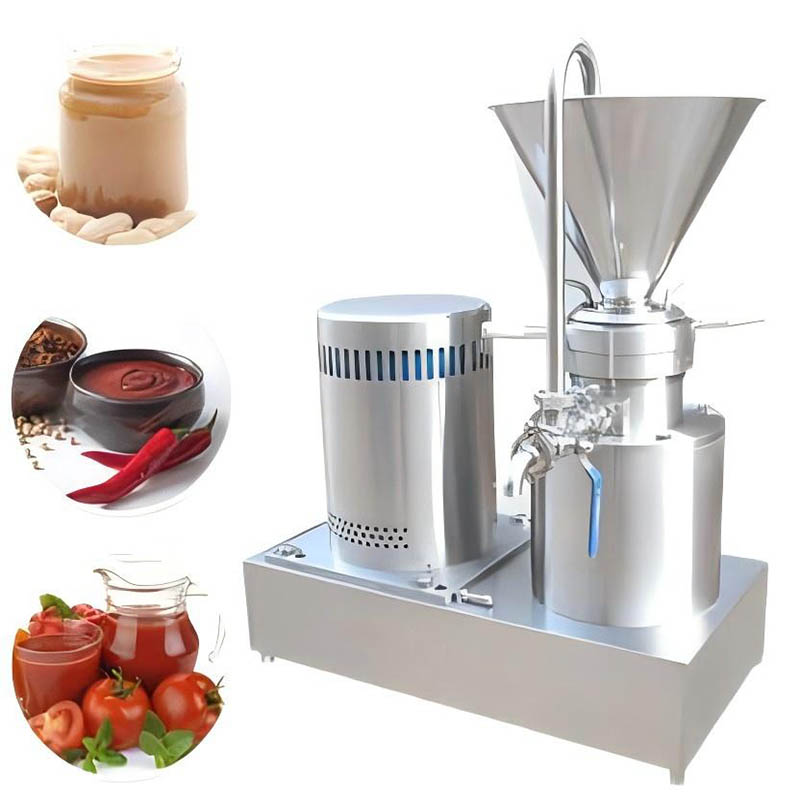
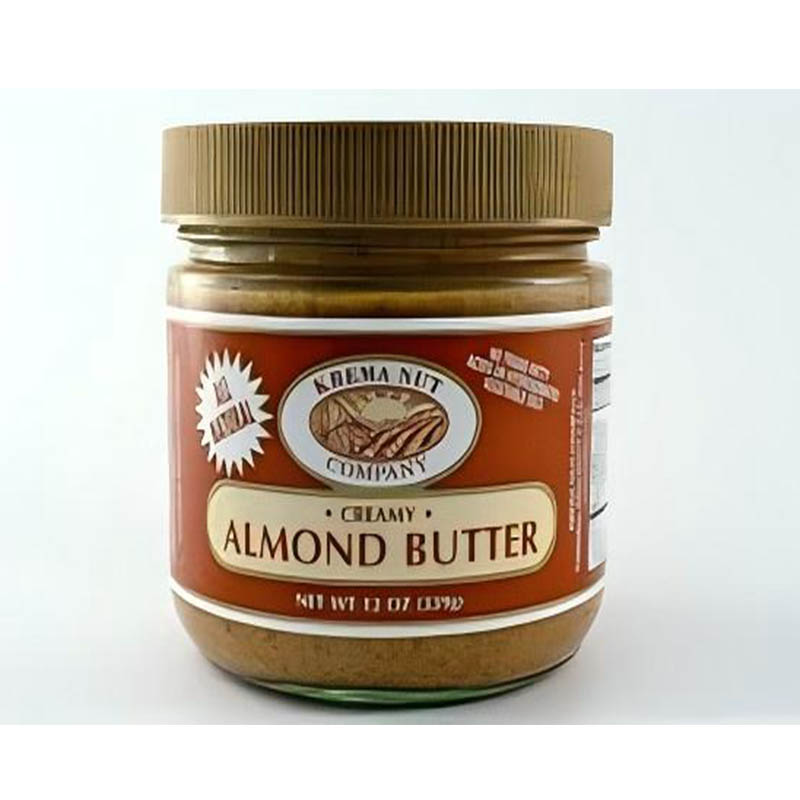
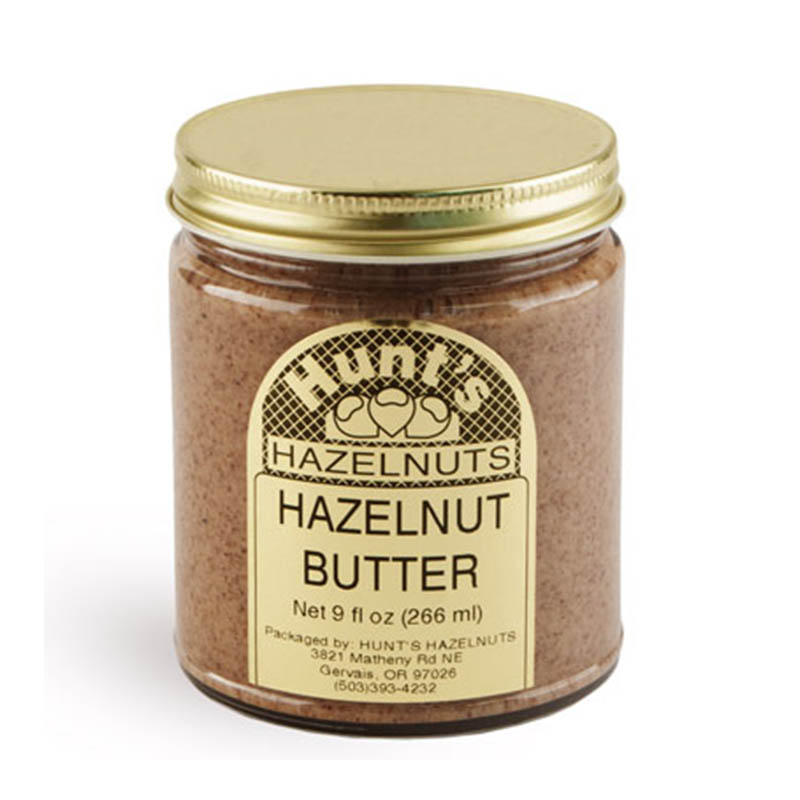
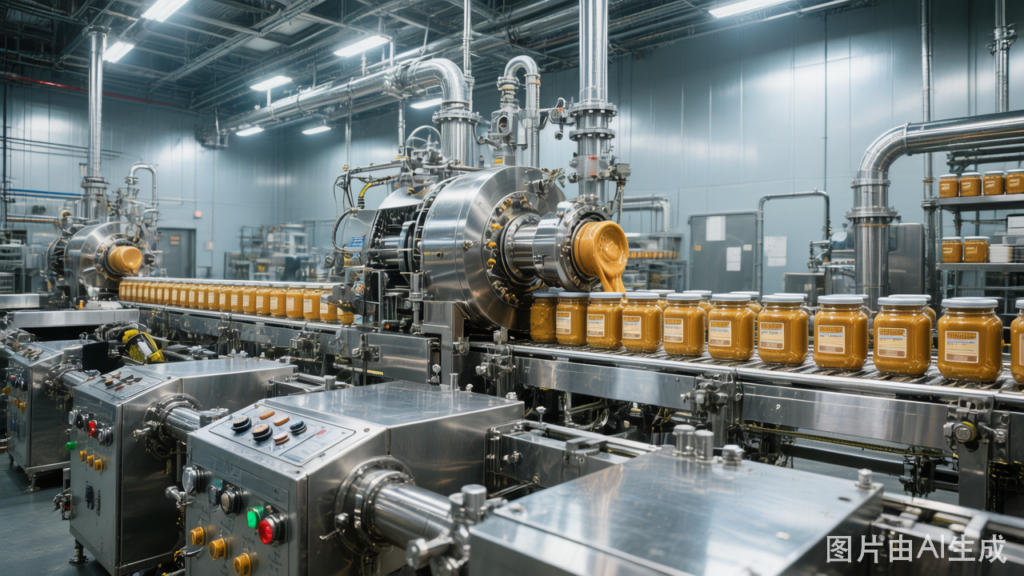

The PBF series is a complete line from raw inshell or shelled peanuts to filled jars of natural and stabilized peanut butter. Stages: cleaning → roasting → cooling → blanching/peeling → coarse grinding → fine grinding → mixing & de-aeration → filling. Plants specify it at 100–1,000 kg/h of finished butter, in smooth, crunchy, or mixed-grind configurations.
Two decisions define the line: roast profile (the flavor driver) and stabilizer strategy (the shelf-life driver). Everything else is throughput engineering. We build both decisions into commissioning: your roast curve and your stabilizer percentage are locked into the PLC during the on-site run-in, with a documented recipe file handed over at sign-off.
1. Cleaning. Destoning and de-dusting remove shale, shell fragments, and dust before roasting. Magnetic separation catches tramp metal ahead of the grinders — the most expensive lesson in any butter plant is a grinder fed a bolt.
2. Roasting. Drum roasters (NRM series) roast 60–160°C with zone control. Light roasts keep the peanut’s raw sweetness for “natural” positioning; dark roasts push Maillard flavor for mainstream retail. Your roast curve is product IP — the PLC stores it as a locked recipe.
3. Cooling. Counterflow coolers drop kernel temperature fast to stop the roast. Slow-cooled peanuts keep cooking inside and drift darker after the roaster.
4. Blanching / skin removal. The RPP peeler removes the red skin and splits out bitter hearts (optional — some natural lines keep skins for color and fiber claims).
5. Two-stage grinding. A granite or steel coarse mill takes kernels to a paste; the colloid mill stage takes paste to fineness. One-pass grinding burns oil and gives gritty butter — two-stage is why commercial butter is smooth.
6. Mixing & de-aeration. Salt, sweetener, and stabilizer fold in under vacuum. De-aeration strips entrained air — the step that keeps oil separation slow and gives the jar its shelf-ready texture.
7. Filling. The PSF piston filler doses jars from 200 g to 5 kg; glass or PET, cap and label to your market spec.
| Parameter | PBF-101 pilot | PBF-701 industrial |
|---|---|---|
| Finished butter output | 100–200 kg/h | 300–1,000 kg/h |
| Raw peanut input | 130–280 kg/h | 400–1,300 kg/h |
| Installed power | 60–90 kW | 150–260 kW |
| Line footprint | 18–25 m | 35–55 m |
| Operators per shift | 3–4 | 5–8 |
| Jar output (500 g) | 200–400 jars/h | 600–2,000 jars/h |
| Cooling medium | air | air + optional chilled-water loop |
| Construction | SUS304 product contact | SUS304 product contact |
Pilot lines run the same process at bench scale — recipe work proven on a PBF-101 transfers directly to a PBF-701. *(typical range, configurable per recipe)*
Natural peanut butter (peanuts + salt only) separates — that is physics, not a defect. Lines selling natural butter use tilt-settling fill and instruct consumers to stir. Lines selling mainstream retail add 1–3% fully-hydrogenated rapeseed or palm stabilizer at the mixer, which holds the emulsion through ambient distribution at 12–24 months. Both are valid products; the line design is identical, the recipe is not. We build the mixing stage for both so you are not locked into one channel.
The same stages run other nut butters — see the sesame roasting machine for tahini programs, the PPG powder grinder for peanut-powder side streams, and the salted peanut roaster for snack-kernel lines. The roasted-nuts application overview covers the wider nut program.
Runners for mainstream sweet butter, Virginias for premium crunchy, Spanish for higher-oil natural lines. Blanching outturn matters more than variety: 70%+ halves outturn gives smoother milling. We review your supplier’s spec sheet at quotation.
Roughly 1.15–1.25 kg of shelled, blanched kernel per kg of butter, plus 2–5% process loss depending on cleaning efficiency. Shell and skin waste go to animal feed or pellets.
Roasting dominates: 40–80 kWh per tonne of butter, gas or electric. Grinding adds 15–25 kWh. Total line energy 70–120 kWh/t depending on roast depth and cooling method.
Yes — cashew, almond, sesame (tahini), and pistachio run on the same stages with changed roast curves and mill gaps. Sesame lines skip the blancher (hulled seed input). Specify your matrix at order; multi-nut plants get recipe slots per product.
Glass and PET from 200 g to 5 kg with change parts; one format per set, 20–30 minute changeovers. The filler is sized for your fastest format, not the biggest.
3–7 days on site for a PBF-701, including recipe lock-in, plus two production shifts of supervised running. Remote support continues over WhatsApp after the engineers leave.
CE on the electrical package, material certificates for food-contact stainless, wiring diagrams, and a recipe file from commissioning. HACCP-style process documentation is supplied for your quality team’s audit file. Third-party inspection (SGS/BV) on request.
Mill stones/rotors, roaster flights, filler seals, and filters. A 12-month kit ships with the line; refills dispatch in 5–7 days. Mill stone life: 800–2,000 t of butter depending on roast darkness.

 7 * 24 Support
 Remote Support
 Global Coverage